
Community Updates
Why Women Still Struggle in Music, and the People Changing It
9 November 2026 · 4 min read
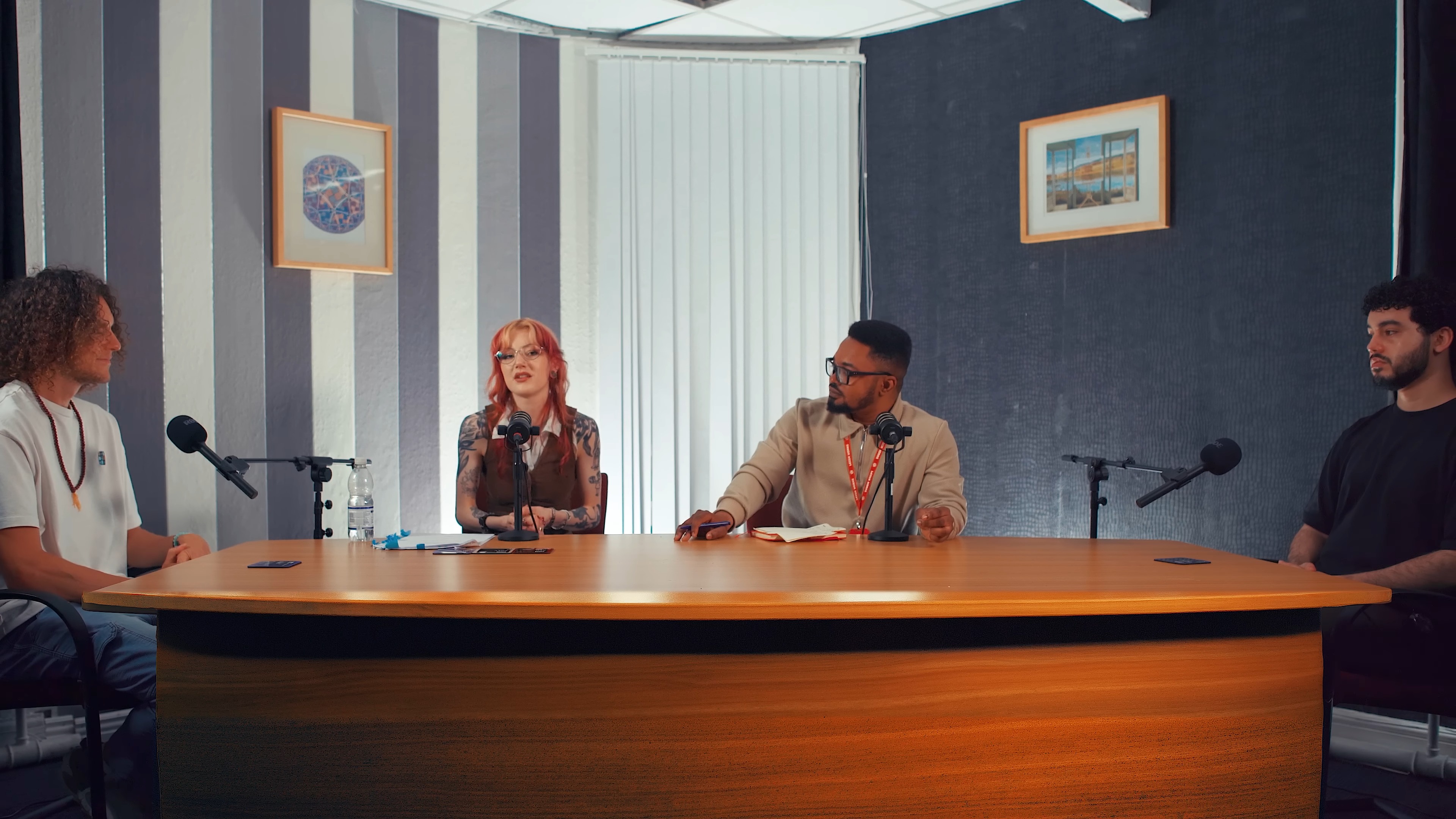
Some episodes of The Legacy Bench are about business models. This one is about purpose. Three guests brought ideas rooted in their own experiences: helping people before trauma takes hold, opening up studio doors for women, and building a platform where independent artists are at the heart of everything. The bench responded with honest questions, practical ideas and a lot of warmth.
On the bench
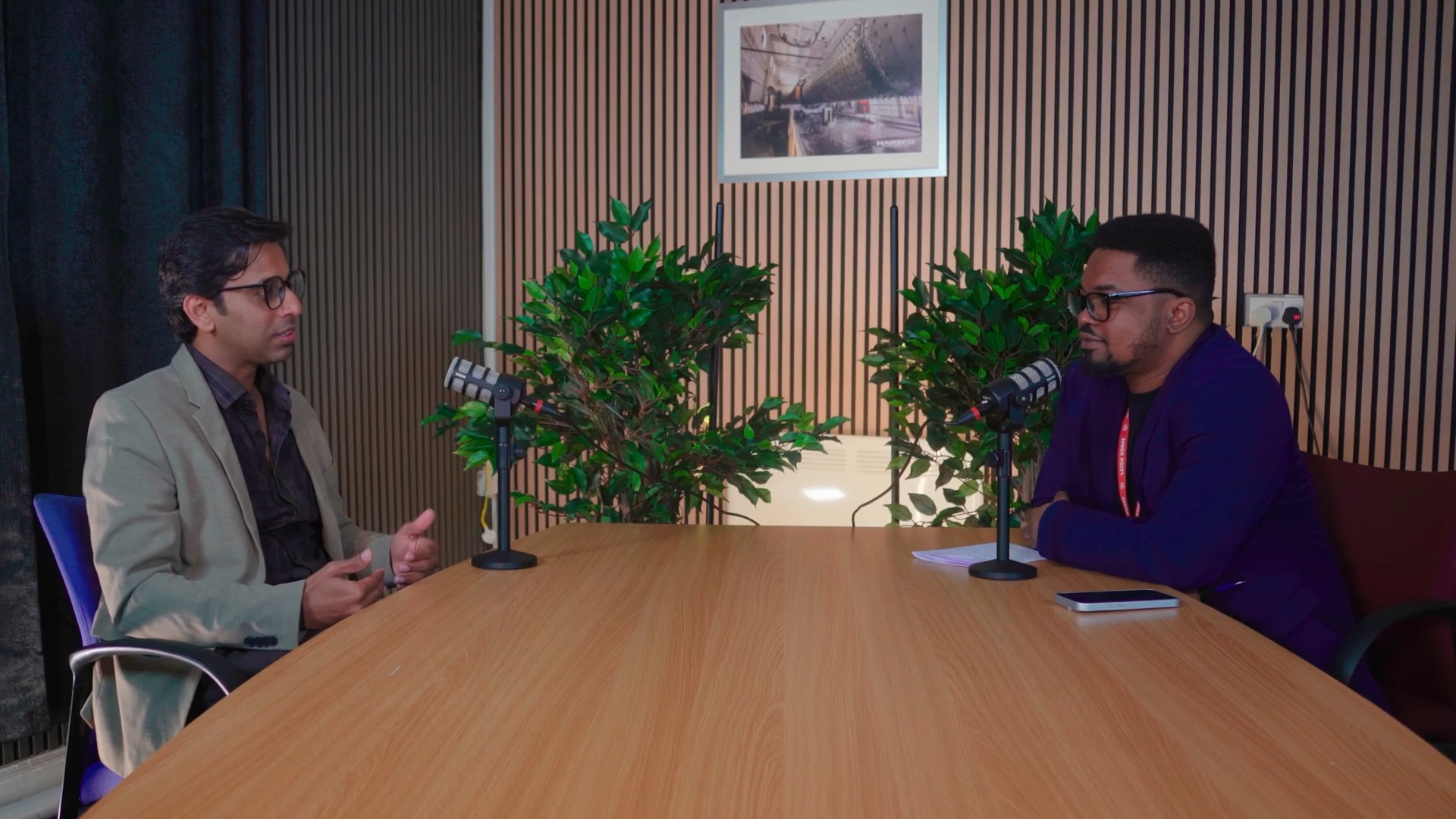
Adnan Jouzaa, an accommodation support worker at Manchester City Council supporting people experiencing homelessness, and a graduate of the School for Everyday Democracy leadership programme.
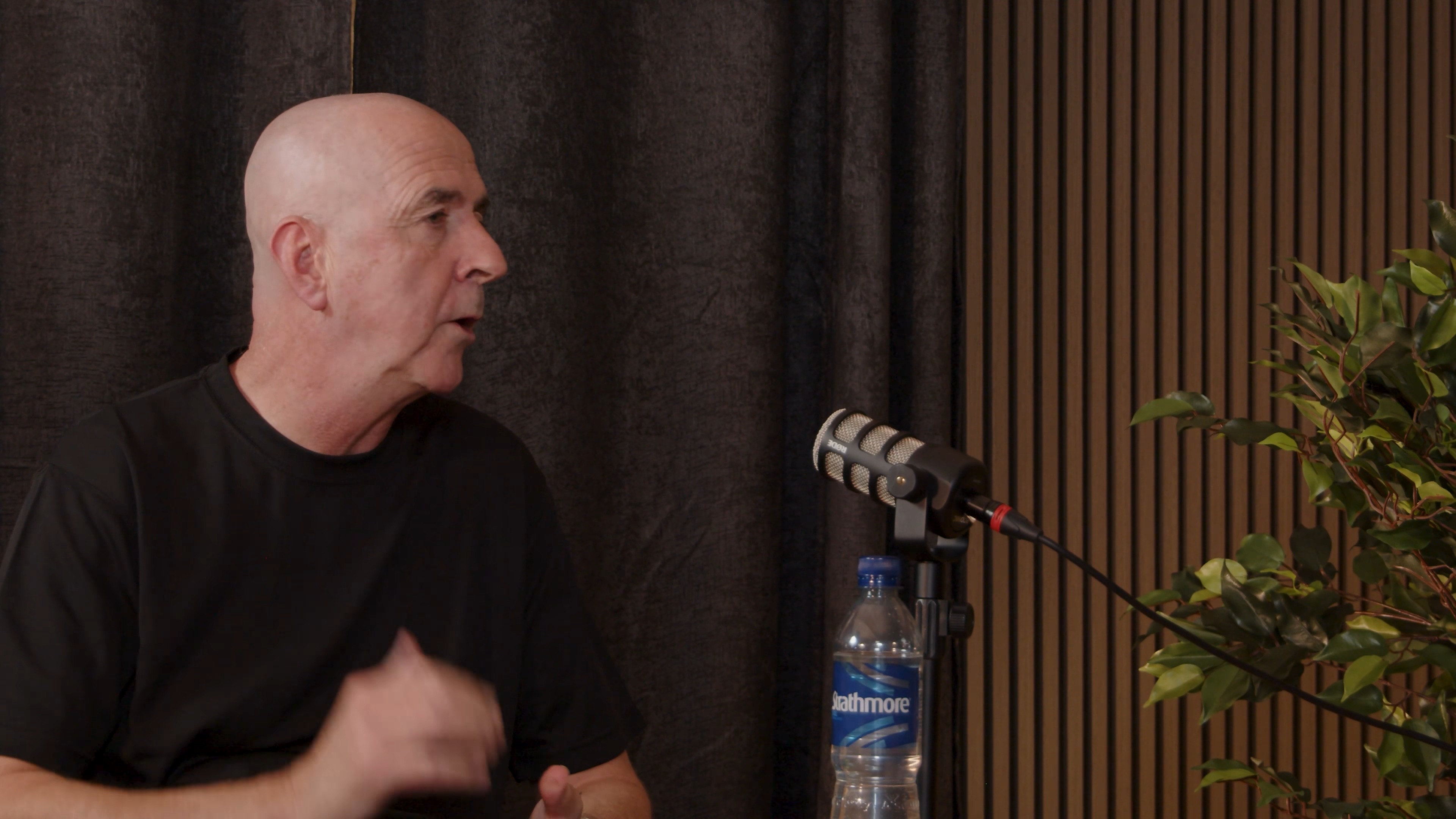
Heidi Noble, a music technician, musician and creative advocate with a first-class degree in music and sound production.
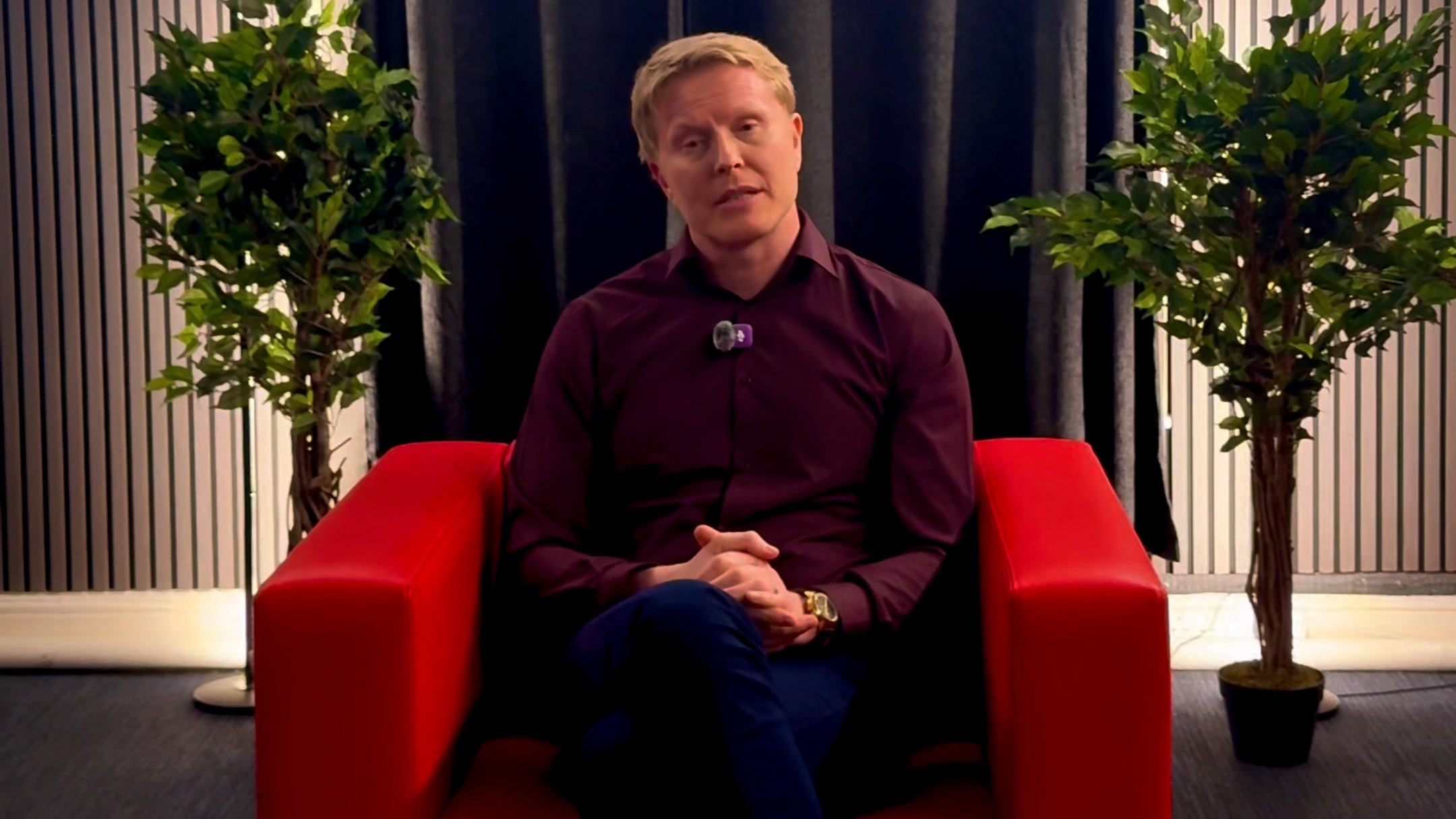
Ash Anderson, founder of Merro Events and host of The White Room Sessions, a podcast and live session platform for emerging and independent artists.
Catching people earlier
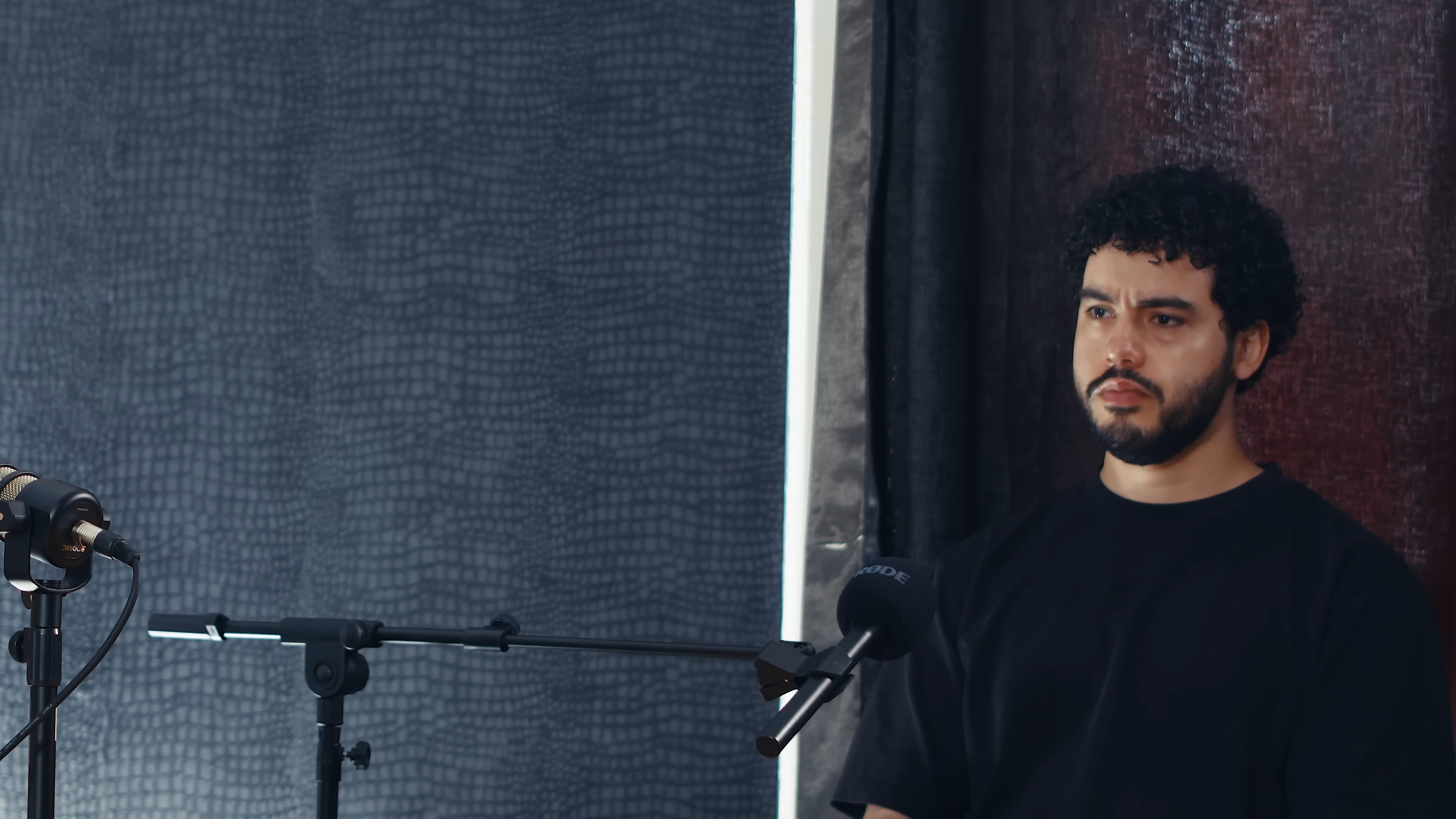
Adnan opened with a clear goal. As part of a cohort of 25 trained to be more effective in their communities, he has access to funding for a residential and wanted advice on how to use it well, with mental health and trauma at the centre. Drawing on his own lived experience, he spoke about the time that can be lost to trauma, and how few young people have support to "play catch-up" afterwards.
The bench helped him sharpen the idea. Who is the "ideal service user"? Could he work with charities already active in the area, schools, or youth offending teams? As the conversation went on, it became clear that what he was describing was early intervention, reaching people before problems escalate. Adnan put it simply: "If someone was able to be caught earlier, we'd be able to reduce a lot of the people even getting there."
The panel also highlighted a gap that rarely gets discussed: the long wait between asking for help and receiving it. Adnan spoke about how people who are struggling but not in crisis can feel told to "just sit with it". He was also candid about the barriers to retraining: having already used his student finance on a graphics degree, a psychology degree feels out of reach. "I'm 26. I wish I would have known this at 19," he said. "But at least I know I'm learning now."
Women behind the mixing desk
Heidi came with a business plan for a CIC that would run studio workshops led by women, to bring more women into the technical side of music. The numbers she shared are striking, pointing to festival line-ups that remain overwhelmingly male and the small number of female producers.
When our host asked whether it was a skills issue, Heidi was clear: "I definitely don't think it's a skill issue. I think it is a marketing issue. I think it's a historical issue." Studio work was built as an engineering role, she said, and the stereotypes have stuck. She shared a moment from her final year at university, asking for a full drum recording set-up and being offered a vocal mic instead. "That presumption that I'm just a vocalist... that is just confidence destroying."
Even now, with more knowledge than some colleagues, she sees students go straight to the men in the room. She also raised a thoughtful point about how freelance production work, with its constant need to chase clients, doesn't account for things like maternity leave.
The bench pushed the conversation further, discussing representation, conditioning from childhood and the need for visible role models. Heidi's vision is practical and generous: short summer workshops for girls and young women covering "the very basics. Here's what this button does. Here's what a channel strip is," in a safe space with a role model they can relate to. One bench member offered to connect Heidi with a youth ambassador running a female artists programme, and Heidi loved the idea: "Let's double prong it."
Heidi also lives these values on stage with the band Woke Nonsense. "We just wanted to do it one day, so we went and did it and we didn't let anything stop us," Heidi said.
Keeping the heart of the music
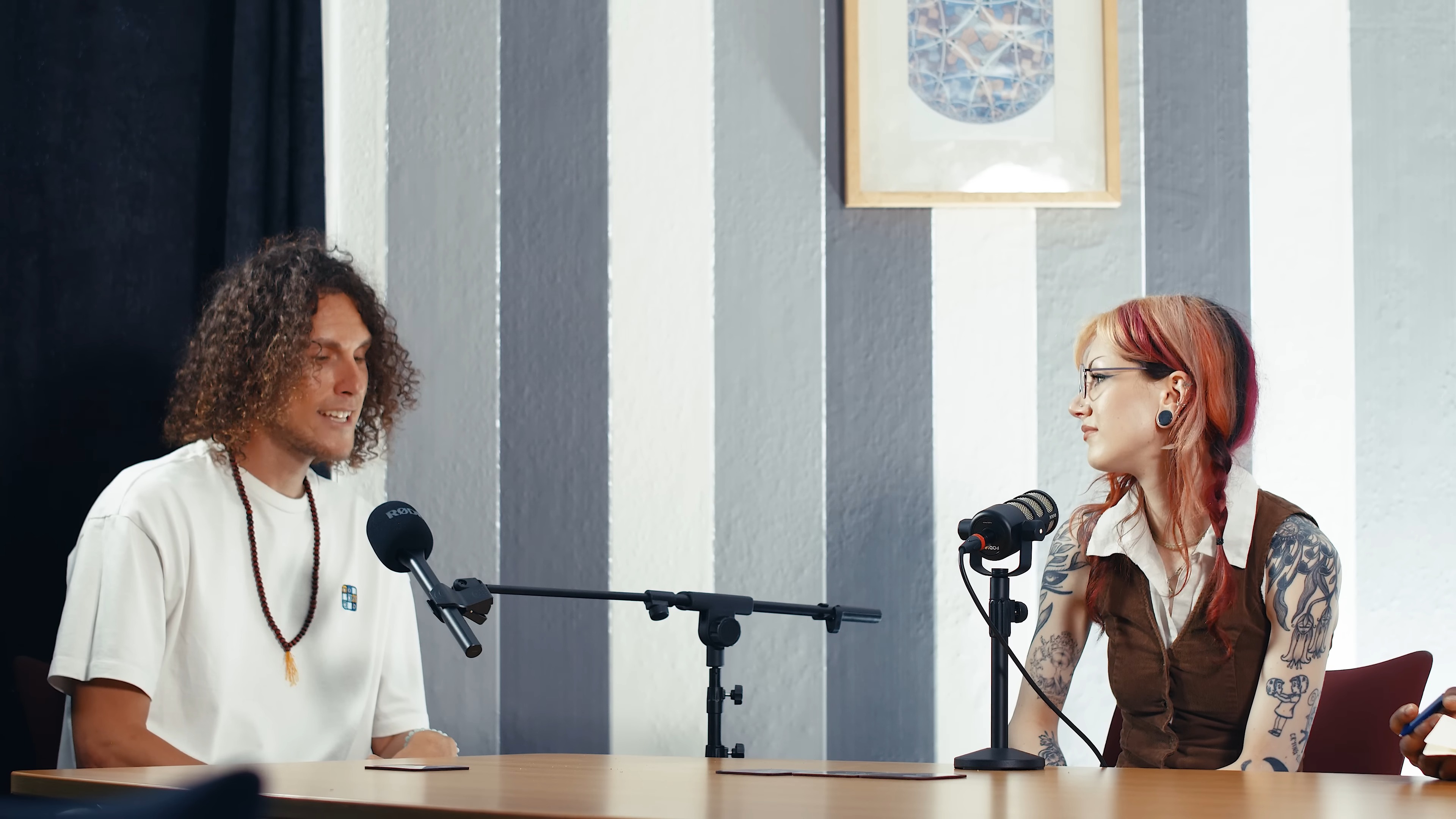
Ash has been a host for around 14 years and founded Merro Events three years ago. Alongside promoting artists' releases, Ash runs The White Room Sessions, where emerging independent artists appear for free and perform live acoustic sets of two original songs, with no backing tracks. "If you sound amazing, you sound great, get on our platform," Ash said. Followers and streams don't matter.
What stood out was Ash's determination not to lose the soul of the project as it grows. "They lose the heart of why they started it," Ash said of some platforms. "No matter how big the platform gets, and it will get massive," the focus stays on the artists. The ambition is to sit alongside the likes of Tiny Desk Concerts and BBC Introducing.
Ash talked about building a blueprint so the show could carry on with another host, and about "dropping my ego and actually saying this goes beyond me." The team has grown to four, a second season is being filmed, a gig featuring podcast artists is planned, and Ash hopes to launch an industry event in Nottingham. The long-term goal is clear: once the platform is monetised, "I want to pay the musicians."
Community over numbers
A thread running through all three conversations was community. Adnan wants to build support networks around young people. Heidi wants to create safe spaces and role models. Ash has built "a music community of artists, of engineers, of musicians", and warned against chasing numbers: "You could have a million followers, but you've lost the essence of what your brand is."
The takeaway
Good intentions become real change when they meet the right support: a clear audience, the right partners, funding and people who believe in you. This episode is full of all three guests' passion, and full of ideas others can learn from. Representation matters, early support matters, and staying true to why you started matters most of all.
If you have a grant, a contact or an opportunity that could help any of our guests, reach out. And watch the full episode to hear their stories in their own words.