
Community Updates
New Dads Get Postnatal Depression Too: Christopher Willingham on the Brain, Hypnosis and Why So Many Fathers Get Missed
9 November 2026 · 4 min read
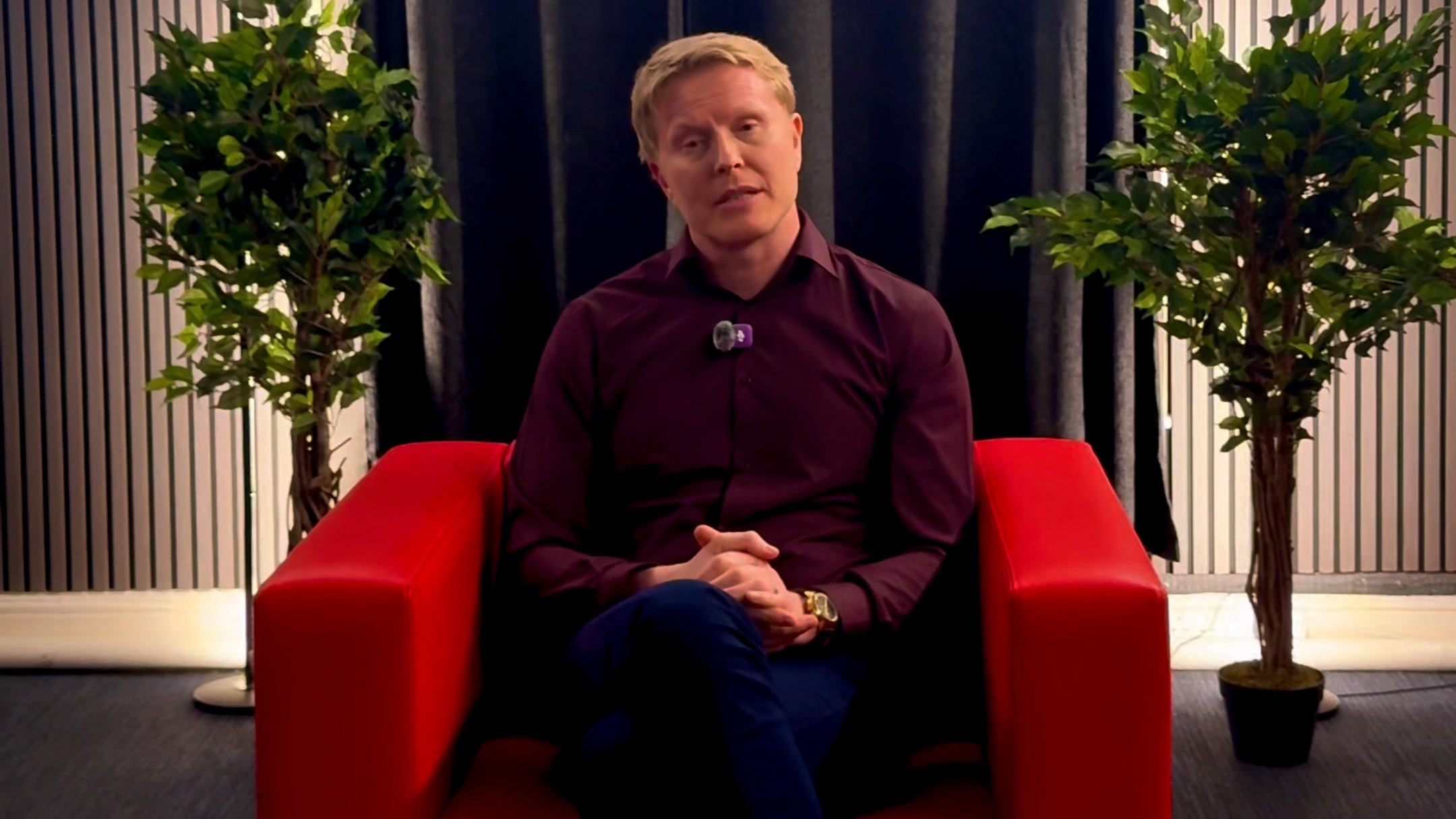
Most of us know that mothers can experience postnatal depression. Far fewer people realise that fathers can too, and that many of them never notice it in themselves. In this 1-to-1 episode of The Legacy Bench, neurocognitive psychotherapist Christopher Willingham sits down with our host to explain why new dads so often get missed, what anxiety actually does in the body, and why, after thousands of sessions, he believes everyone can be hypnotised.
It is a calm, generous and genuinely fascinating conversation. By the end, our host admitted: "For some reason, I just felt really calm talking to you."
Meet Christopher
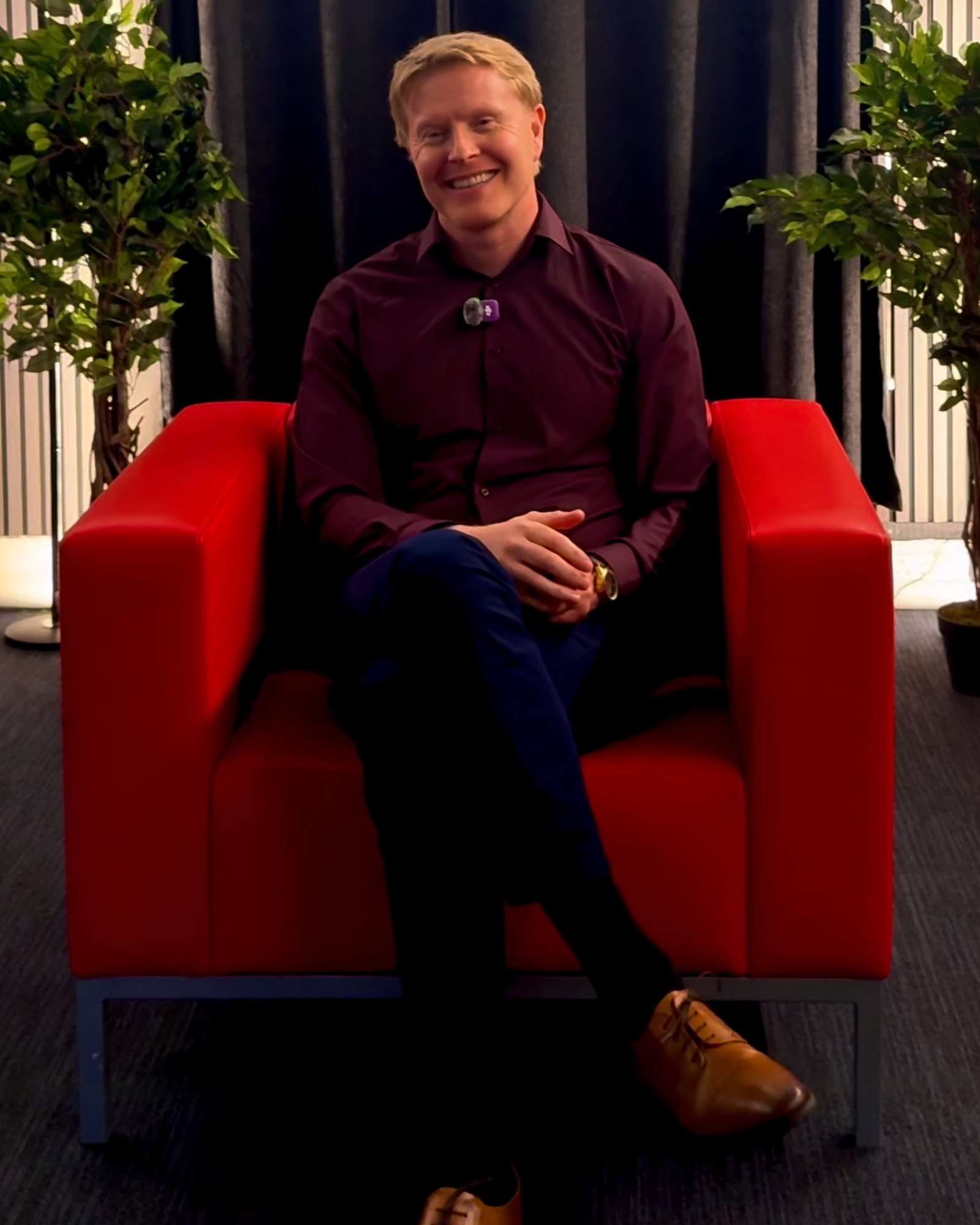
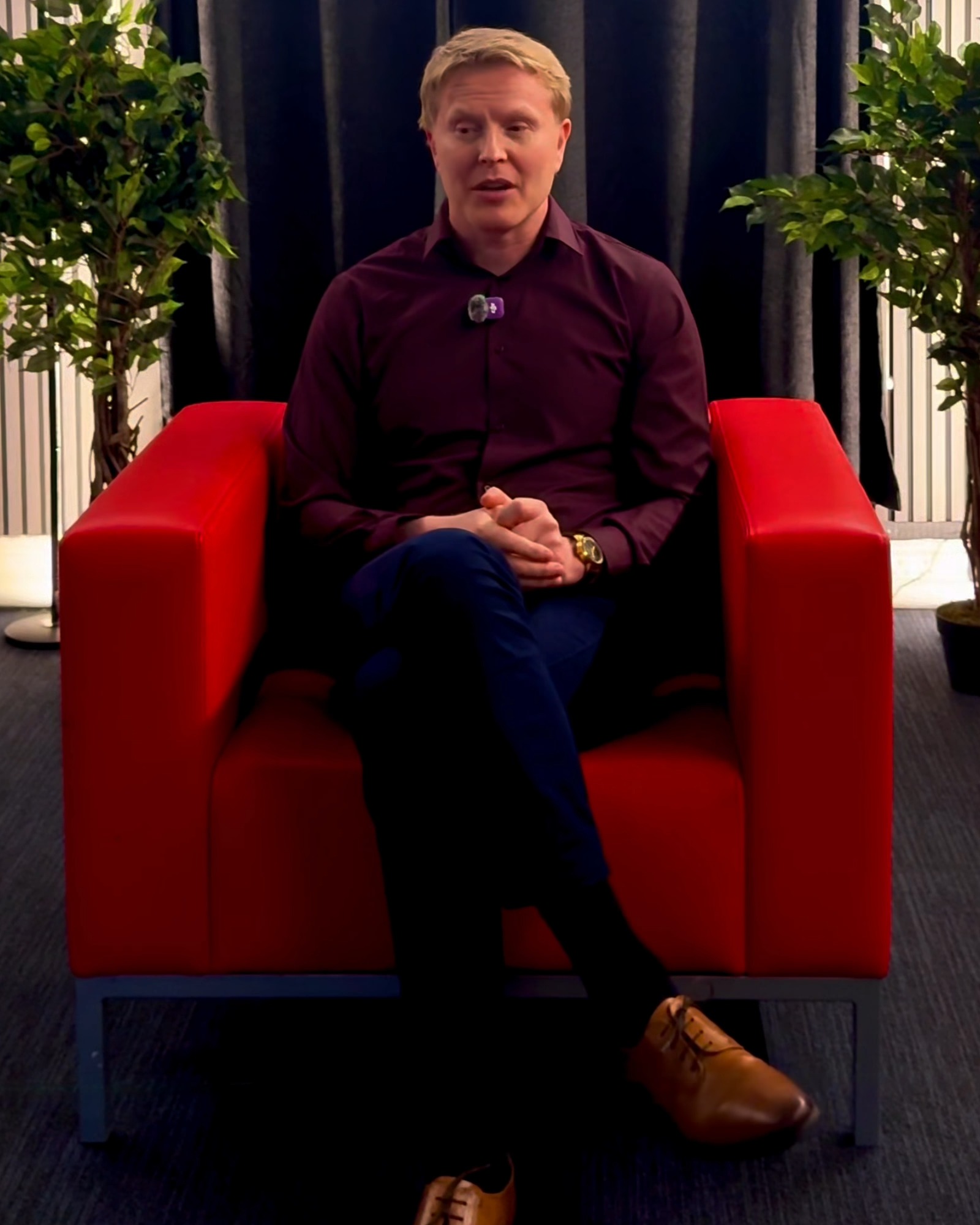
Christopher has worked as a neurocognitive psychotherapist for about 15 years. He broke his title down for viewers: the "neuro" comes from a postgraduate qualification in neuroscience and his membership of FENS, the Federation of European Neuroscientists. The "cognitive" refers to cognitive behavioural therapy, and as a psychotherapist his work spans counselling, coaching and hypnotherapy. He has worked in the NHS, privately and in sport, including with people in professional boxing and the UFC.
What he enjoys most is that no two sessions are the same. "You never really can 100% plan for what we do," he said, "and I quite like that. That makes it really exciting."
Why new dads get missed
The heart of the episode is paternal postnatal depression, an area Christopher describes as "very misunderstood". He explained that the brain changes women go through when preparing for parenthood have been studied for decades, but similar research on men only really began around the 2000s. Men's oxytocin levels rise too, he said, and the brain goes through its own changes as an adult man transitions into being a parent. If that transition is affected, it can trigger depression.
The difficulty is that it often goes unseen. "Because of the system, often men do get missed," he said, "and naturally because the male is in this state, they often do not know themselves." The signs he suggested people look out for are aggression, frustration and withdrawing in the period just after the birth, behaviour that is easily dismissed as someone simply struggling with the change.
He was clear about why it matters for the whole family. If it is missed, a father may not be able to form the strong bond with the child that everyone hopes for. His message was simple: be aware, check for behavioural changes, and support men as well as women.
What anxiety really does
Christopher explained anxiety as a survival mechanism. When we are in a situation that is new, or one that has gone badly before, the brain reacts to keep us safe, activating the fight or flight response. "What we know happens next is that we want to get out," he said. "That's what we do. We escape."
He also described how the brain builds "scripts" for every room we walk into. If a place has been linked with worry, the body responds as if there is a threat.
Can you train your brain to be more confident?
"Absolutely," Christopher said. The brain is "constantly changing", and with imaging, he explained, we can now see differences in how a brain functions after someone has worked on changing the way they think. He described therapy and coaching as tools to help people find "an extra 20%", which in sport and business can be the difference between succeeding and not.
One of the more surprising moments was his explanation of memory. "Every time you recall the memory, that memory you've recalled becomes the memory," he said, which is part of why memories shift with age, and why, in his view, an old fear can be reframed. Over time, he said, some clients reach the point where an old fear "feels like it was somebody else's".
He also shared a fact that made our host pause: by adolescence, the brain prunes around 40% of its synapses to become more efficient for adult life.
13,000 sessions and counting
Christopher said he only realised how much experience he had built up when he saw the "10,000 club" being discussed online. He did the maths and worked out it was "about 13,000 easy". In all that time, he said, "I've never worked with anybody who you couldn't hypnotise." People react differently, he explained, and real change usually happens over a number of sessions rather than one, because the brain needs time to build a new way of thinking.
He also cleared up a common misconception: most people remember a lot of what happens during hypnosis, rather than "completely disappearing". The conversation even touched on crowd psychology, from football grounds to moments of national mourning.
You just need to care
Asked whether you need to be a great public speaker to do his job, Christopher laughed. "No, absolutely not. You just need to care." Everything he has learned, he said, was so he could help other people.
And on balancing a busy practice with family life, he shared the pie chart he uses with clients. Most of us give huge slices to work and very thin slivers to ourselves. He makes time for family deliberately, "because time goes by really quick".
The takeaway
This episode is a reminder that becoming a parent changes fathers too, and that a dad who seems frustrated or withdrawn after a birth may need more than to be told to get on with it. Christopher's closing message was to reach out if you are dealing with anxiety, low mood or something that is holding you back, because there is science behind the support available.
If you or someone close to you is struggling after a new baby, speak to your GP or health visitor. And watch the full conversation with Christopher on The Legacy Bench. Would you let him hypnotise you?