
Community Updates
From Bullied to Black Belt: Simon Morrell on Fear, Family, Debt and the Woman Who Stood by Him
9 November 2026 · 4 min read
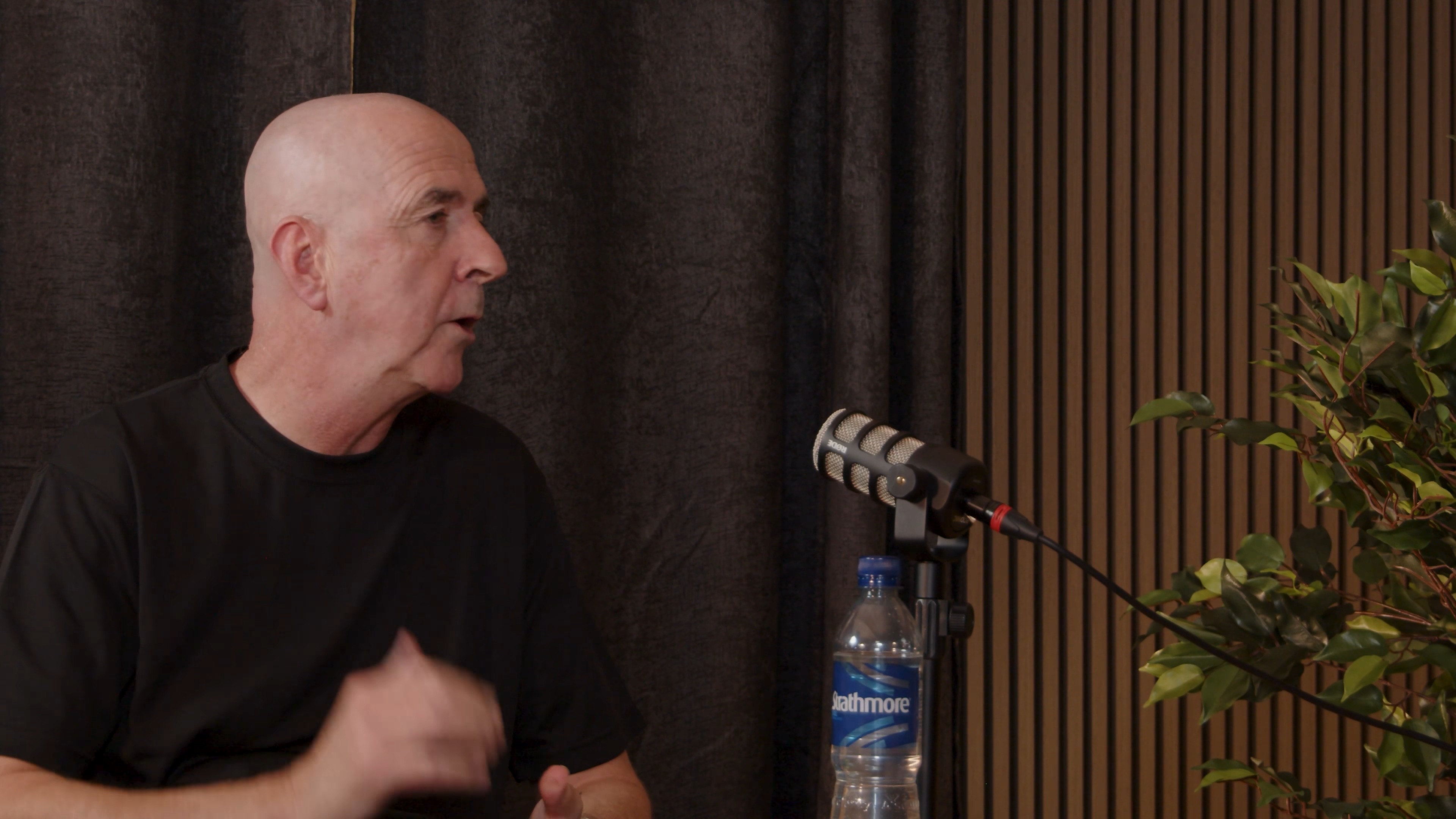
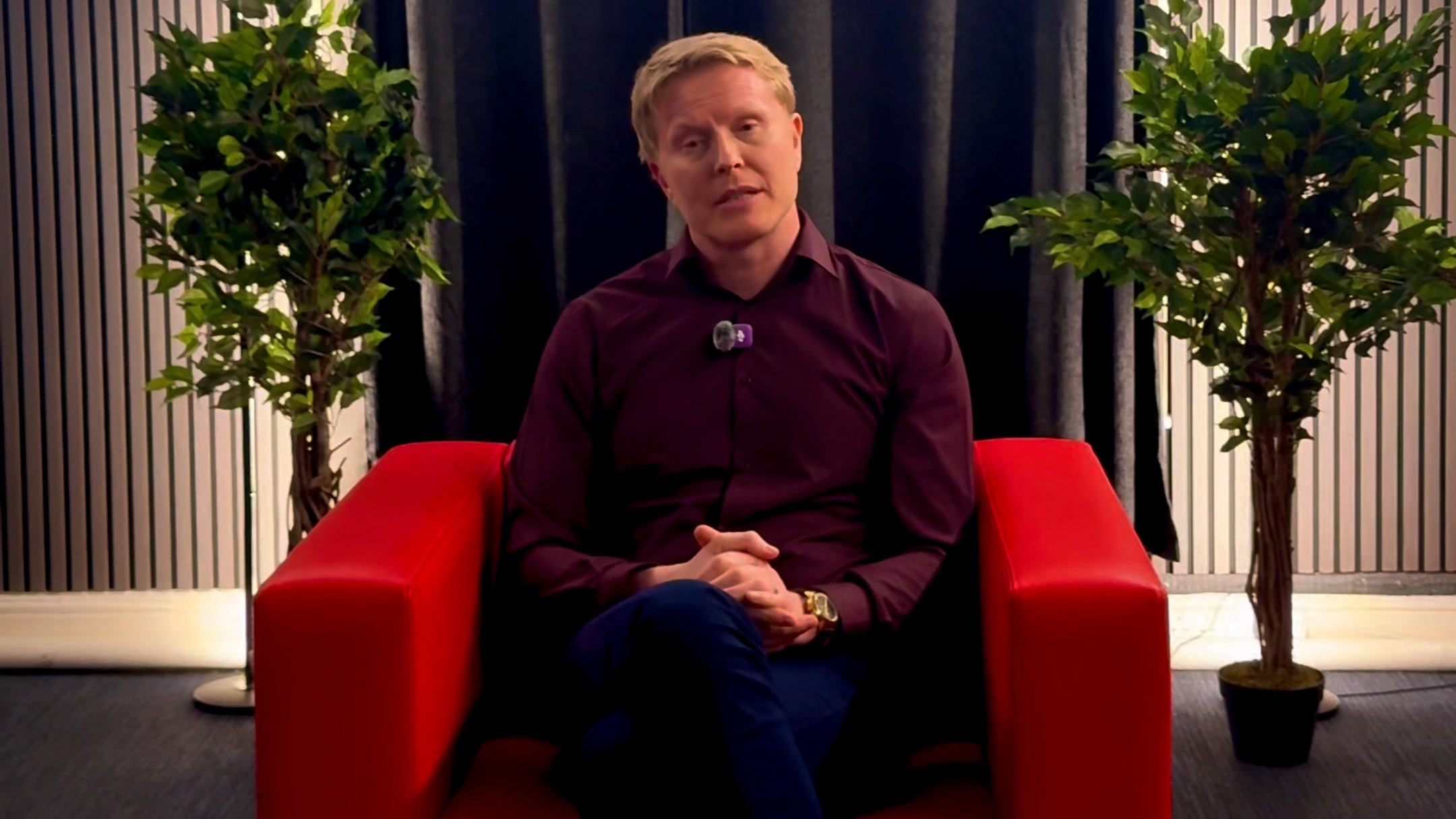
Some conversations on The Legacy Bench stay with you long after the cameras stop. This is one of them. Martial artist, author and fear-control coach Simon Morrell sat down with our host for a deeply personal 1-to-1 about bullying, fear, betrayal and recovery, and about the people who helped him rebuild his life.
He was clear from the start about why he tells his story: "What I tell is not a pity party... I'm just trying to help people." By the end, our host called it "one of the best conversations we've had."
A note before you watch: this episode includes discussion of abuse, threats of violence, alcohol dependency and trauma.
A childhood defined by fear
Simon was bullied from the age of five. "I was a bully's dream," he said. "I was skinny. I spoke too quick. Had a funny accent. I had goofy teeth, no confidence." Home offered little refuge, with a controlling and abusive father who told him he was letting the side down.
At 15, after being targeted by an older, violent teenager, Simon had his first panic attack, at a time "before people knew what panic attacks were." Agoraphobia followed. "I couldn't go out because of him. I didn't want to stay home because of my father. So, caught between a rock and a hard place."
The person who changed everything
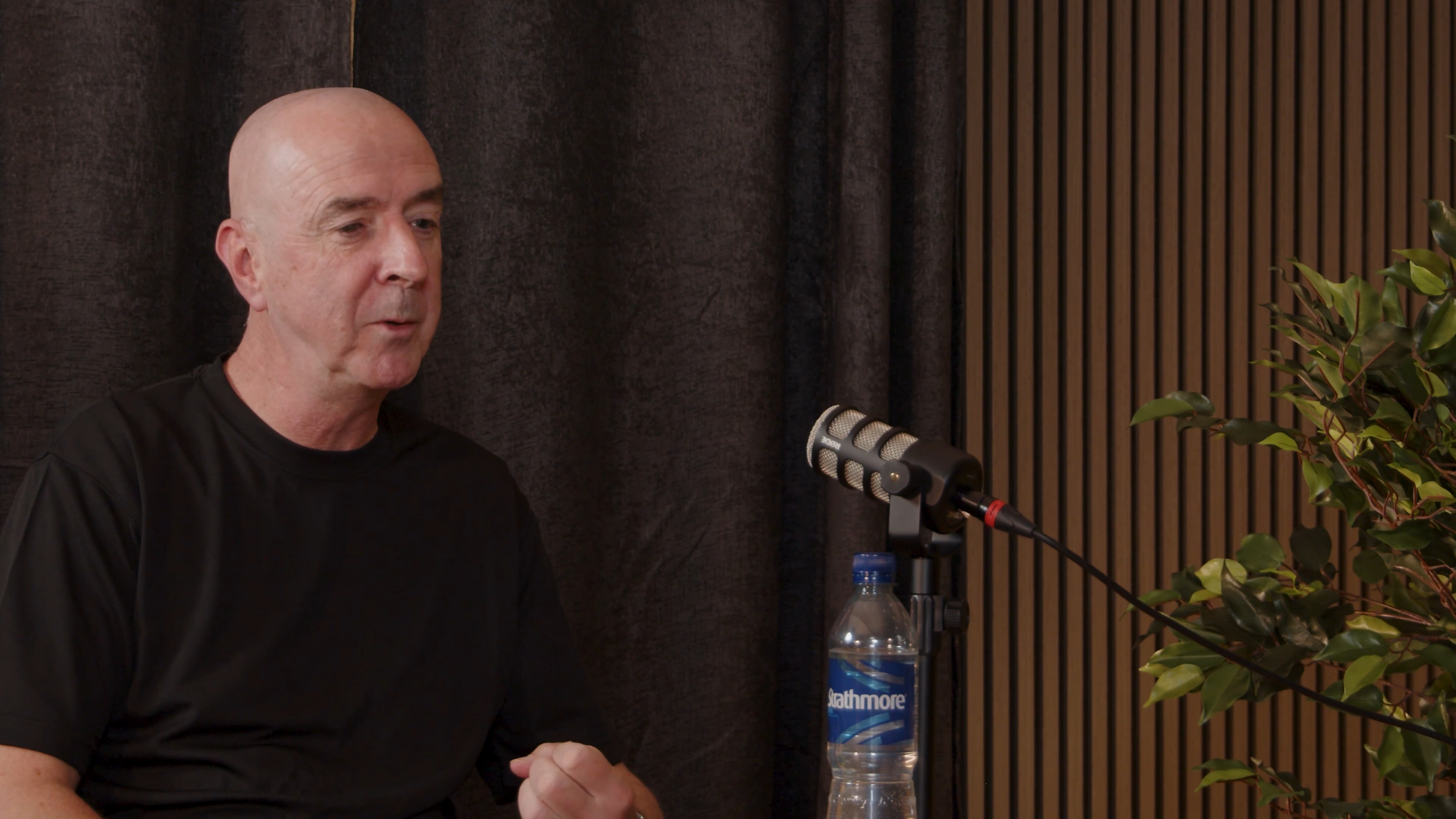
At 17, Simon became friends with Julie. "She was the first person to ever kind of be all right with me." Forty years later, they are married with three children, and on the day of filming she was waiting outside in the car. "Saved my life," he said. "I adore her. Absolutely adore her."
It was Julie who sat him down and told him, kindly, that he had to stop letting people treat him badly. She bought him a book on nerves and encouraged him back into training. At a local club, an instructor recognised what Simon had never been able to name: he was living in fight or flight. And for the first time, someone told him he was good at something.
A call from a martial arts legend
Simon's turning point came through Geoff Thompson, the bestselling author whose books on fear he had read over and over. Six months before his black belt grading, Simon had a huge panic attack and was ready to give up. Then the phone rang. It was Geoff, who spoke to him for an hour. "He said, 'Simon, don't not do your black belt. It's going to change your life.'"
Geoff became a mentor and friend, and also encouraged him to write. Simon's first article, called Fear, was published in a national magazine. When Simon laughed at the idea of being a writer, Geoff told him: "Don't laugh at yourself." That article grew into his book, From Bullied to Black Belt, which has reached readers around the world and now has a film production company attached.
Simon went on to earn his eight black belts, compete in full contact, wrestle and box, and with Julie build a club that has produced many kickboxing champions, including their daughter.
Betrayed by family ties
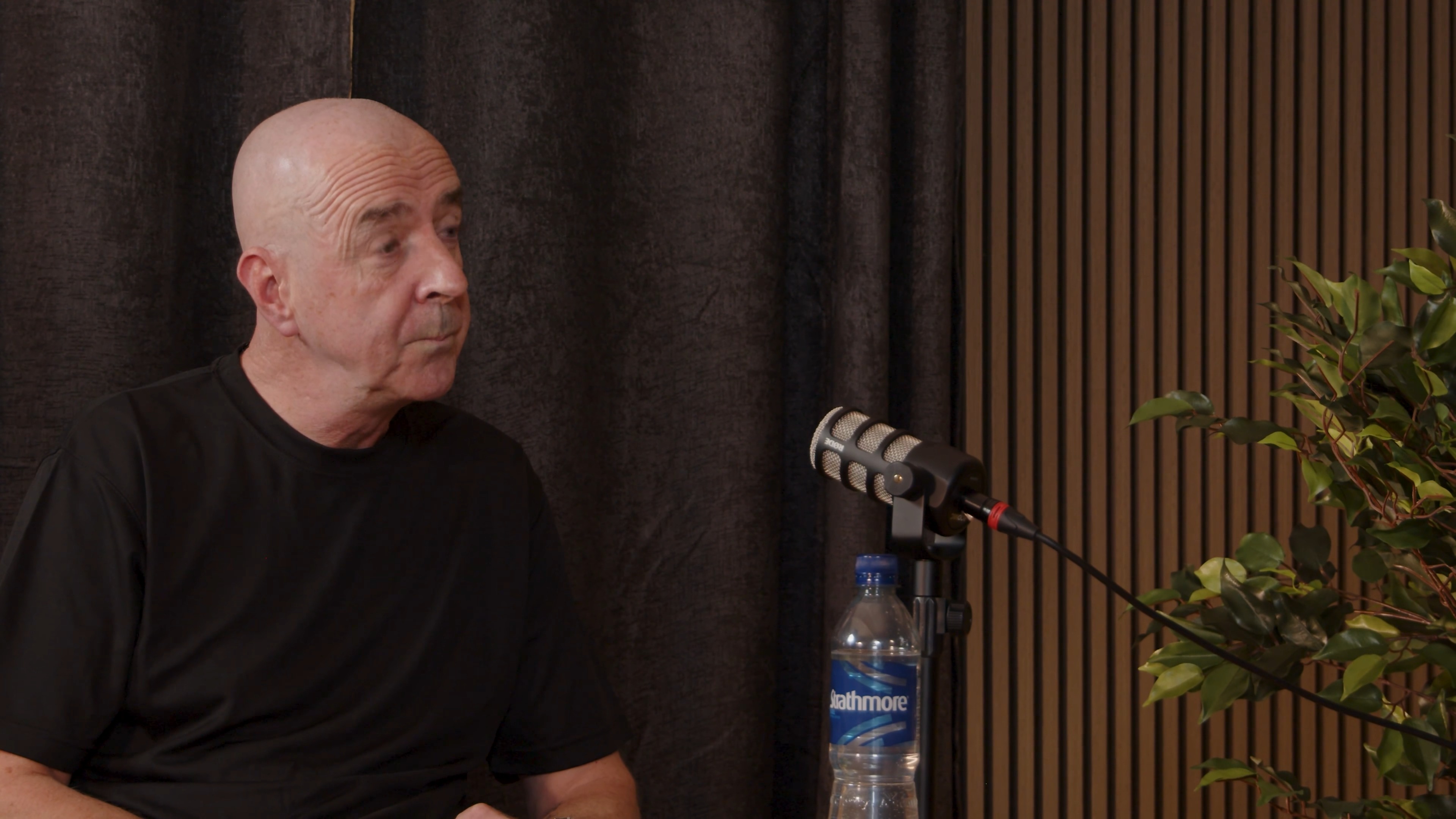
Then, as Simon put it, "it collapsed again." Desperate to impress his father, he borrowed £500,000 to help him, despite warnings from those around him. He lost the money, and later faced frightening threats from people claiming debts his father owed. He was supported through it by Julie and her family, including her father, who quietly gave what he could and has never asked for it back.
The stress took its toll. Simon turned to alcohol, and he is honest that it became serious enough that he needed hospital treatment to recover safely. When he came home, Julie had poured the drink away and spent their savings on fitness equipment. Within months, he was back training and writing again, and he wrote openly about that period in his second book, An Everyday Warrior.
They lost their house and cars, but, he said, "not once did she point the finger at me." He promised himself he would never let her down again.
Would he be where he is without it?
Our host asked a question Simon said he had only recently been asked: without the bullying, would he be where he is today? He reflected that he probably wouldn't. "That trauma brought me so much good in my life," he said, though he is honest that he still has nightmares and works hard every day to stay well.
He shared a line someone once gave him: "We go through what we go through to get to where we want to go." And another that has stayed with him: "When you're in the storm, you can't see anything but the storm."
The One Punch Project
Simon is now developing a short film, and hopefully a feature, called One Punch, exploring the devastating impact of alcohol-fuelled single-punch incidents on everyone involved. It is not his story, he stressed, but it draws on themes he knows well. "There's no winners there," a friend told him. "The only winner there was drink."
Today, Simon and Julie run a busy gym, teaching several classes a day. Many people come because they know his story, and he helps them with fear control as much as fighting skills. As Julie puts it, they "take in the black sheep."
The takeaway
Simon's advice for anyone feeling the way he once did is written on the wall of his gym: "Where there is courage, there is hope." He believes everyone has a little bit of courage inside them, even when they can't feel it. "To get confidence, you've got to do something that frightens you," he said. "Ignore the naysayers."
If anything in Simon's story resonates with you, please talk to someone you trust or contact your GP. And watch the full conversation with Simon on The Legacy Bench. What part of his story stayed with you the most?