
Entrepreneurship & Growth
100+ Years of Combined Experience: Simplicity, Storytelling, Sign Language and Belonging | Legacy Bench Ep10
9 November 2026 · 5 min read
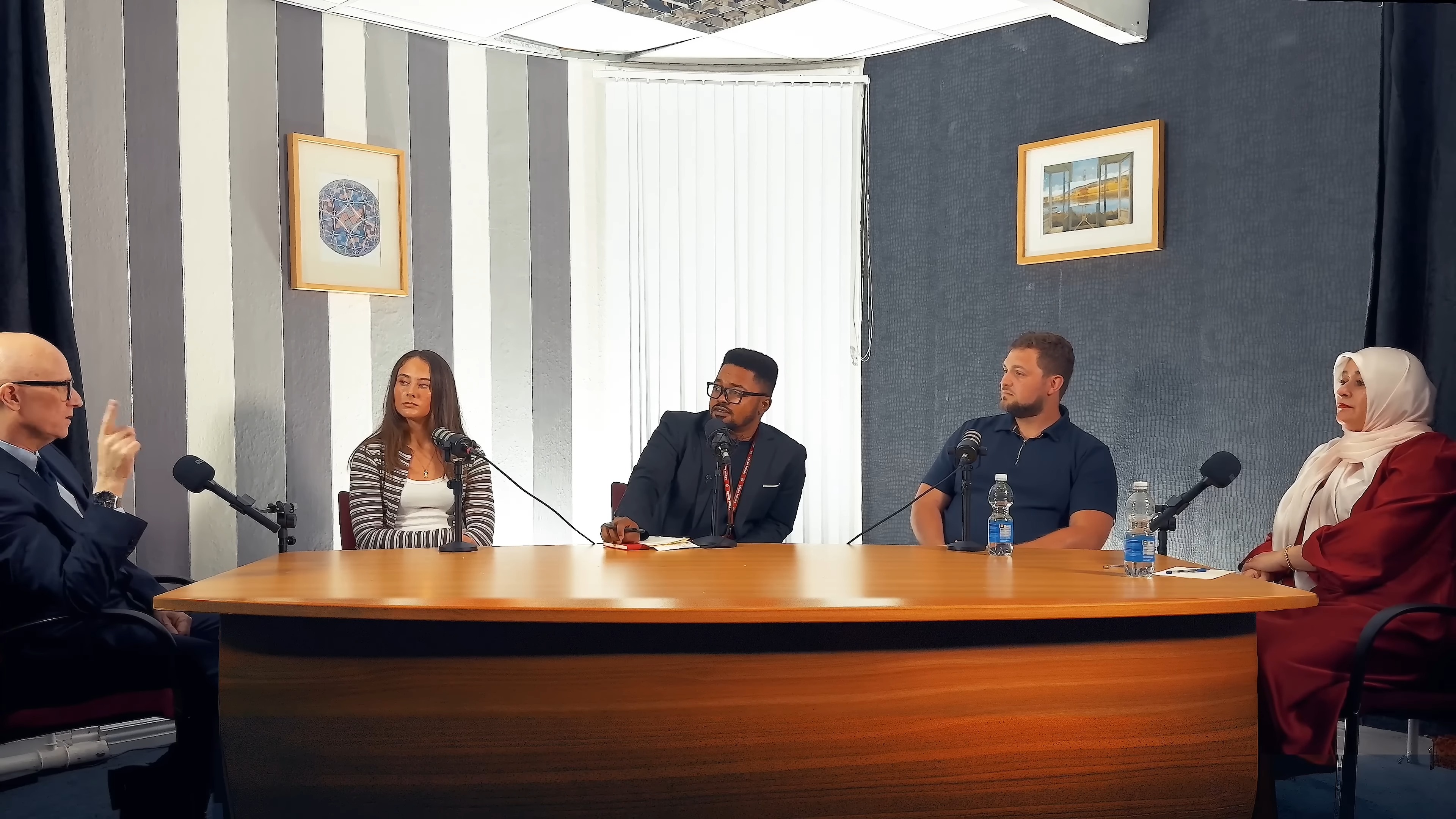
At the end of this episode, our host said it might be "one of the best sessions we had." It is easy to see why. Four guests at very different stages of life sat around the bench, from a 66-year-old strategist with nearly 50 years in business to a 20-year-old writer and personal trainer just starting out. Each brought a story or a challenge, and the support, recognition and advice flowed in every direction.
On the bench
Perry Offer, founder of Time to Simplify, a business strategist, speaker and adviser who has been CEO of half a dozen businesses.
Grace Trippitt, a self-employed personal trainer, freelance writer and HR professional, passionate about helping people feel less alone through storytelling and wellbeing.
Thomas Holroyd, director of The Interpreter Initiative, a sign language interpreting agency, a BSL interpreter and a trustee of the national regulatory body for sign language interpreters.
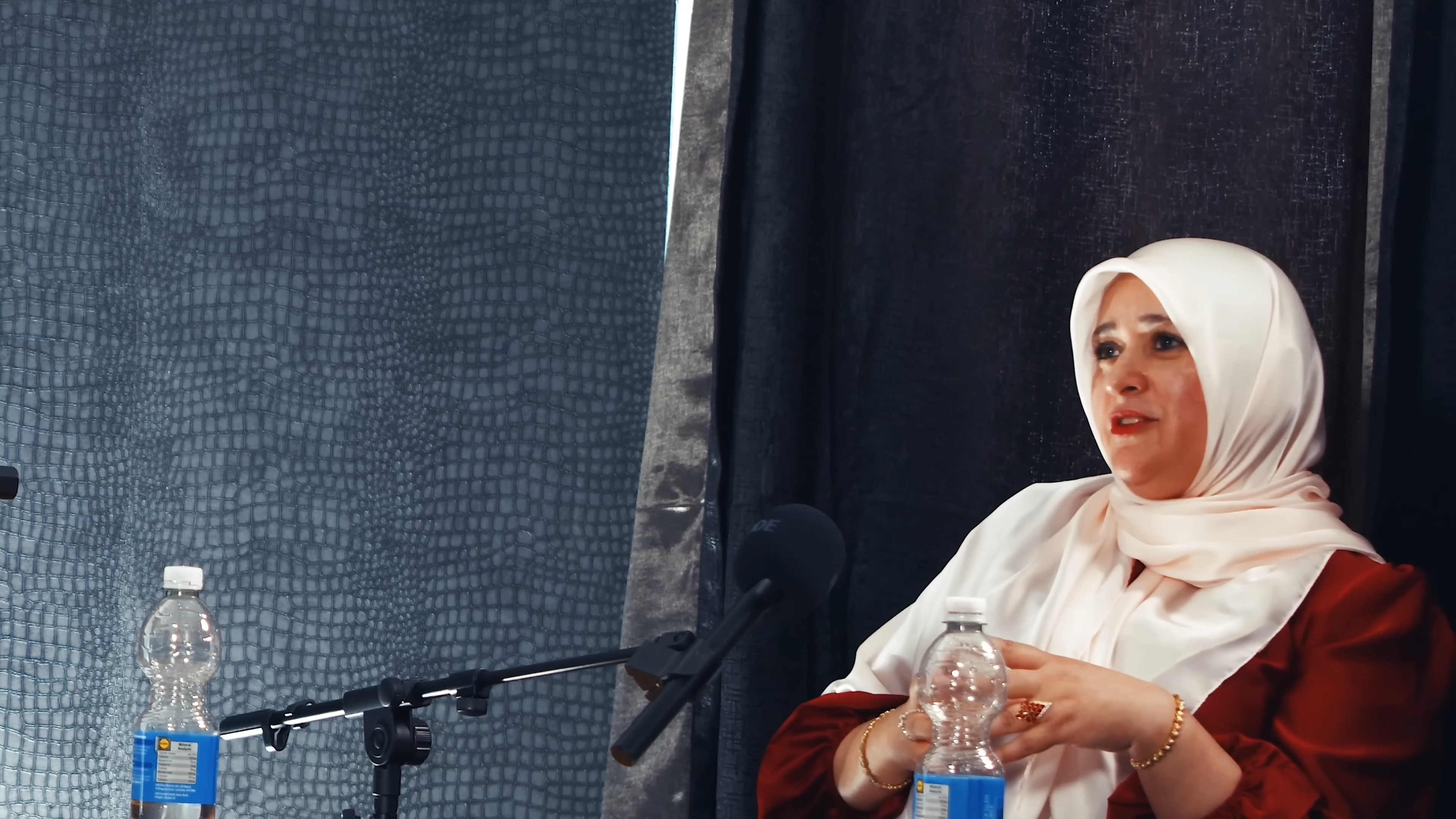
Shamime Jan, founder of Bolly Fit Active CIC, a culturally responsive, female-only fitness and wellbeing community.
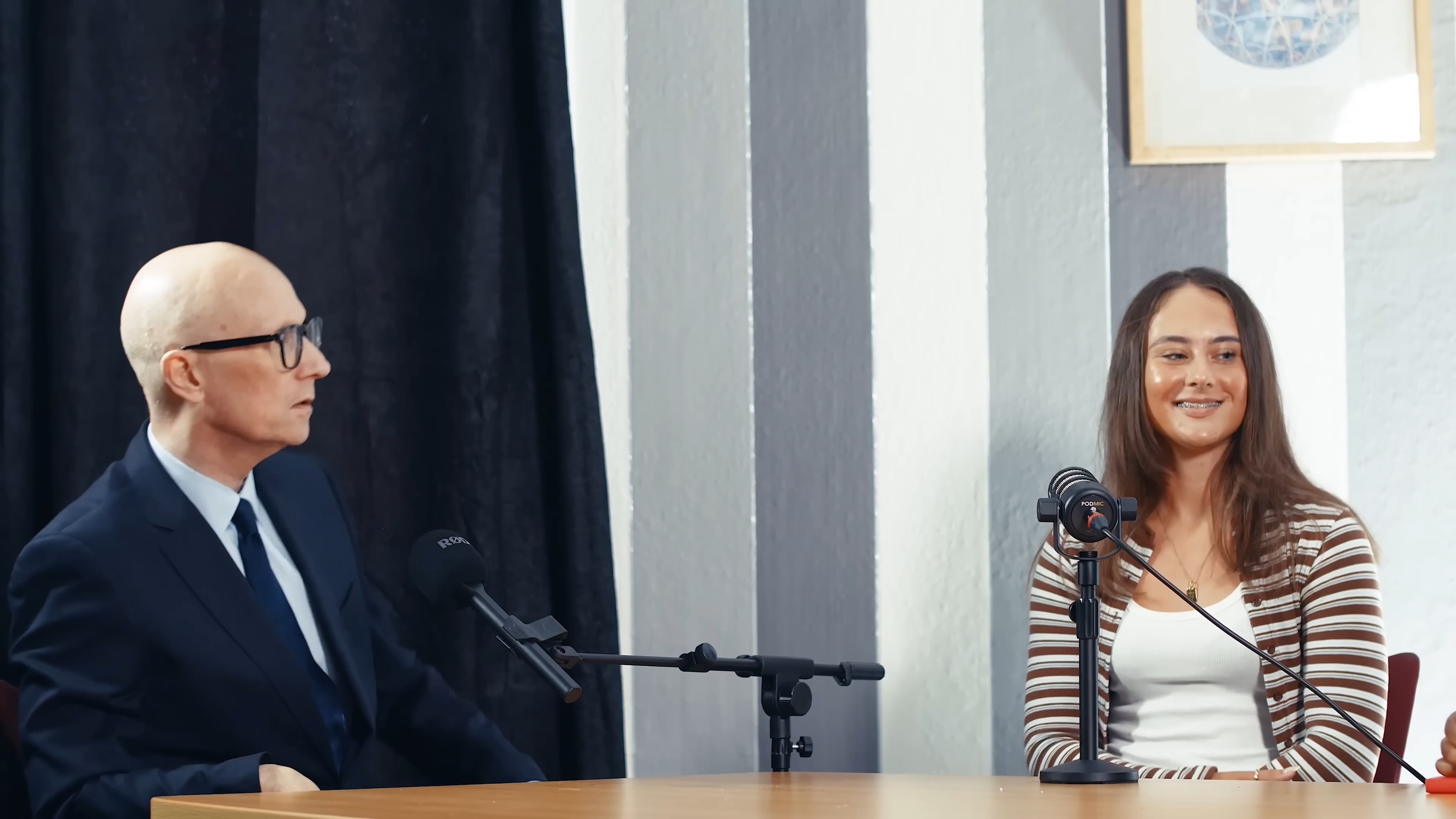
The law of diminishing simplicity
Perry opened with the idea at the heart of his work. Many small and mid-sized businesses stall, he said, because they try to be everything to everyone, adding cost and complexity faster than revenue. "If you're in an age where customers want to buy from specialists, you have to have a very few eggs in a very few baskets, whether you like it or not."
Asked why small businesses die, he gave one of the sharpest answers we have heard on the bench: "The pace of change in the marketplace is faster than the pace of change inside the business. End."
He explained that customers buy on their three most important values, weighed against price, and used a can of Coke to prove it. Would you switch to Pepsi if it were 15p cheaper? Our host wouldn't. That, said Perry, is a value strong enough to secure loyalty. His central question for any founder is simple: "What do you want and by when? How much is enough?" And be clear from the start whether you are building a business to sell or to run for an income, "because they are two very different journeys."
Writing through everything
Grace was disarmingly honest: "I'm not really sure how I'm going to top that." She set up her personal training business to help women change the way they think about food, exercise and their bodies, and spoke about how toxic diet culture on social media can be.
Writing has carried her through everything. She began writing for her local newspaper at 15, won awards, and this year started pitching to major outlets, including what she called "a very kind rejection" from Vogue in New York. She has since been recruited to write for the TV and film sections of two outlets.
Grace also shared, gently and briefly, that she was at the Manchester Arena bombing nine years ago, and that it changed her life and motivated her to start things and help people. Her dream is a media company where she can ask the questions "that no other interviewer would ask," because "there's not enough realism in the world. And there's not enough humanness either."
Our host encouraged her to build around her story and focus. Perry opened up about his own life too, including being in New York on 9/11 with his wife, an experience that shaped his belief that wherever you go, people simply want to share food and talk about the people they love.
One product or many?
Thomas brought a challenge that put Perry's ideas to the test. His agency, run by interpreters, does one thing very well: sign language interpreting, mostly for deaf students at around 18 universities. But universities often switch to agencies that "do it all", from note-taking to captioning. Should he expand?
He explained why his field is different: it takes around eight years to qualify as an interpreter, with a master's degree, and agencies that don't understand that can take on contracts they can't deliver. Perry's advice was nuanced. If the buyer's highest value is buying everything under one roof, then the proposition may need to become broader, and the way to do that without the cost is to partner with white-label providers for the parts you don't offer.
Thomas was also candid about motivation. Growing up, his family was very poor and lived in a caravan, which drove him. Now that the agency isn't about profit, he finds the drive harder. Shamime's advice was heartfelt: think about how growth could help people still in that situation. "Make more money to give more back."
Building a place to belong
Shamime's story was the emotional heart of the episode. As a Muslim woman looking for somewhere safe to exercise, she found women-only gyms that weren't truly women-only, and classes where nobody said hello. "They made me feel othered," she said. So 12 years ago she started with "just a room with a boombox", inviting local women to dance their cultural dances, recreating the joy of the women-only celebrations she had seen at Asian weddings.
Local GPs began to notice patients' health improving. Bolly Fit became a CIC, added Afro Fit for African Caribbean women, developed diabetes and trauma programmes, created its own accreditation so women are trained by women, and has trained 20 new coaches in the last eight months as it scales nationally and globally.
Shamime also spoke openly about surviving years of abuse and financial hardship, and the long road to rebuilding her life. "I crawled out of a dark well at that point with my fingernails," she said. Her message to others: "Whatever you go through, treat it like it's a message to you." The dance, she explained, is only the hook. What really happens in the room is belonging: "They come like this and they go out like a lion."
Grace, who runs female-only classes herself, called Shamime "100% an inspiration".
The takeaway
Experience, as this episode shows, is not only about years. It is about what you do with what happens to you. Keep things simple and focused. Know what you want and by when. Build around your story. And create spaces where people feel they belong. As Shamime put it at the close, "I think humans are made for so much more than what we do."
Watch the full episode of Legacy Bench Ep10 and tell us which story stayed with you.