
Entrepreneurship & Growth
They Called Him Crazy, Now Companies Pay Him Just to Think: Rishikesh Lokapure on Brands, Stories and Kindness
9 November 2026 · 4 min read
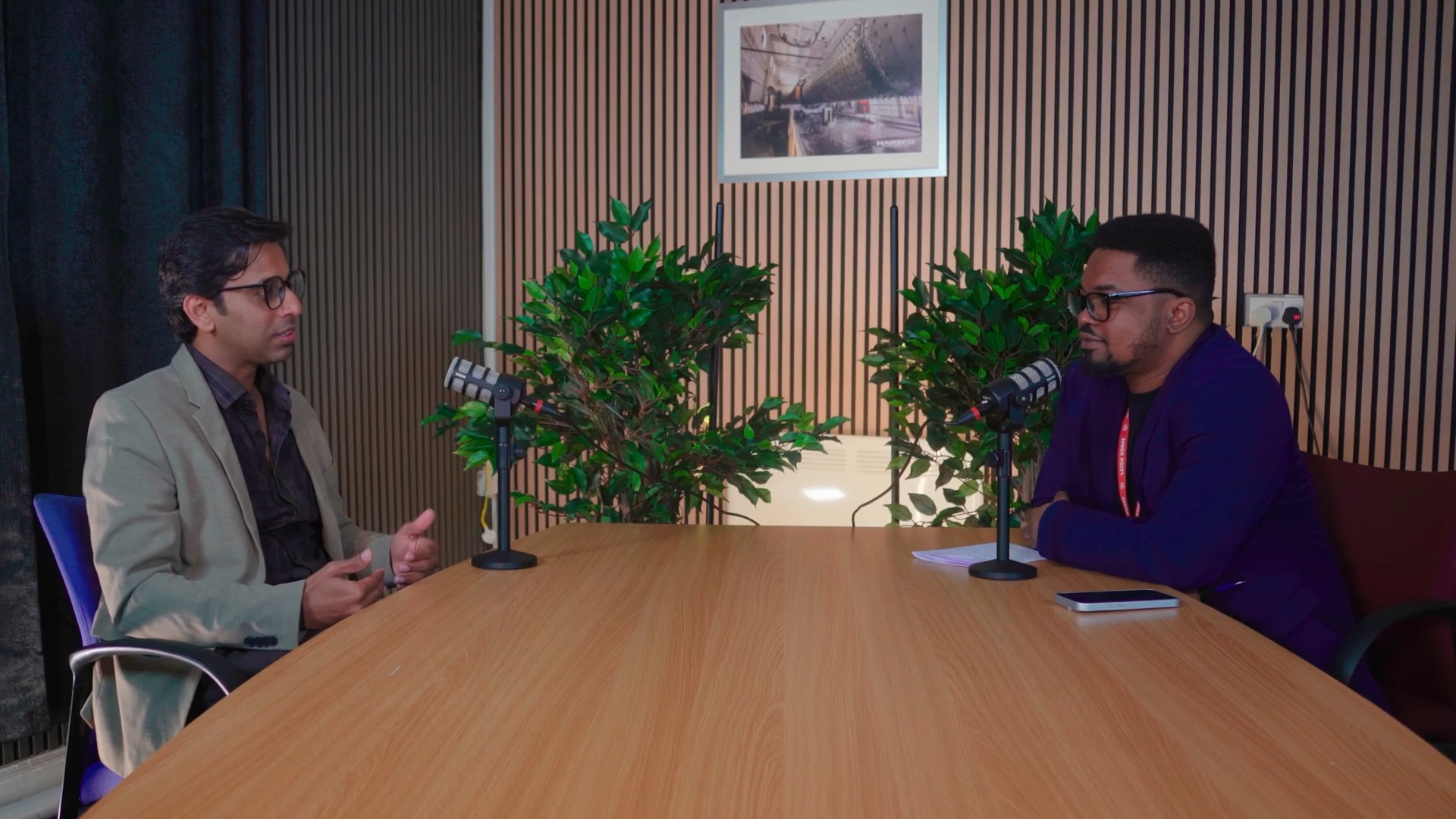
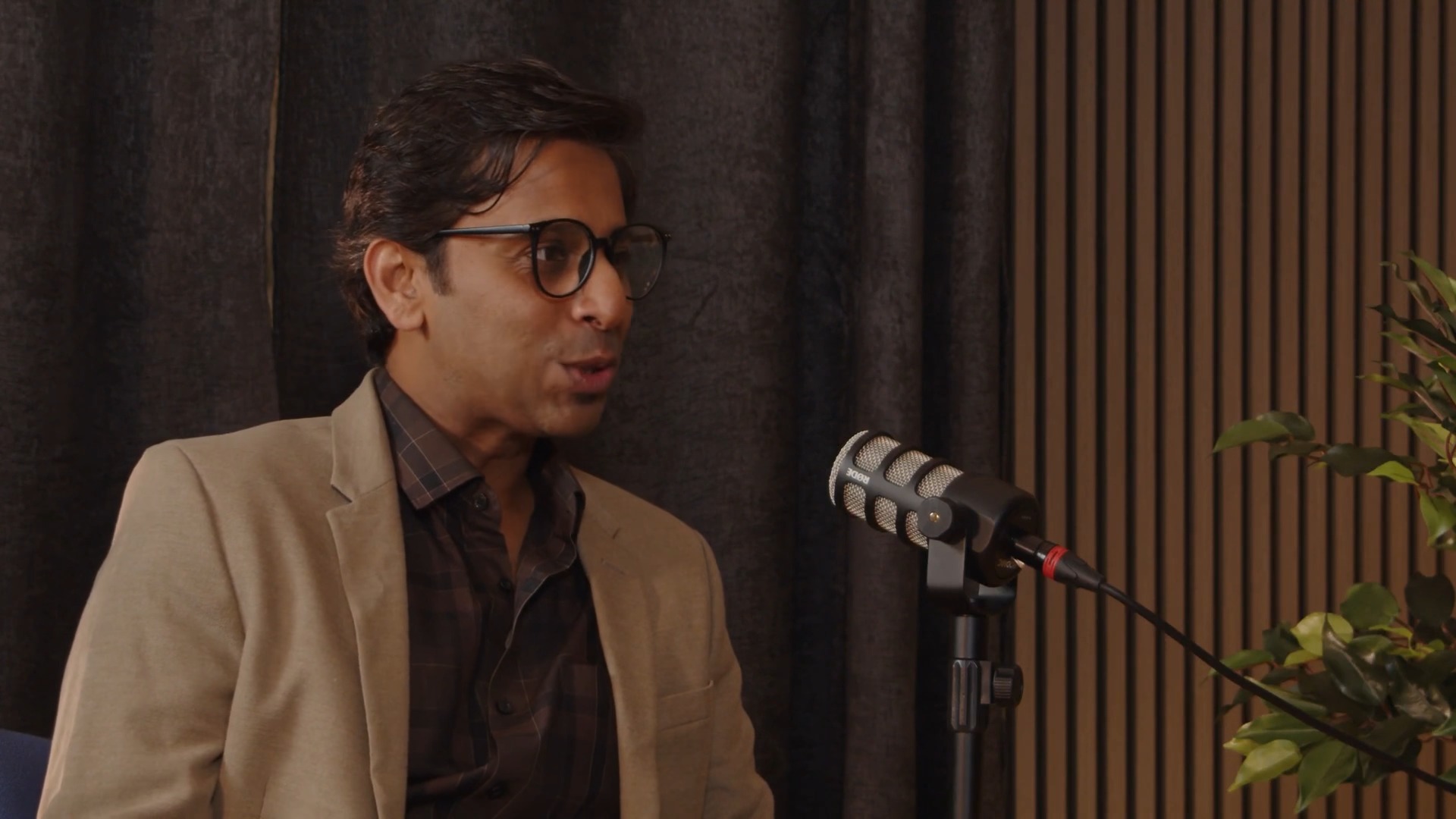
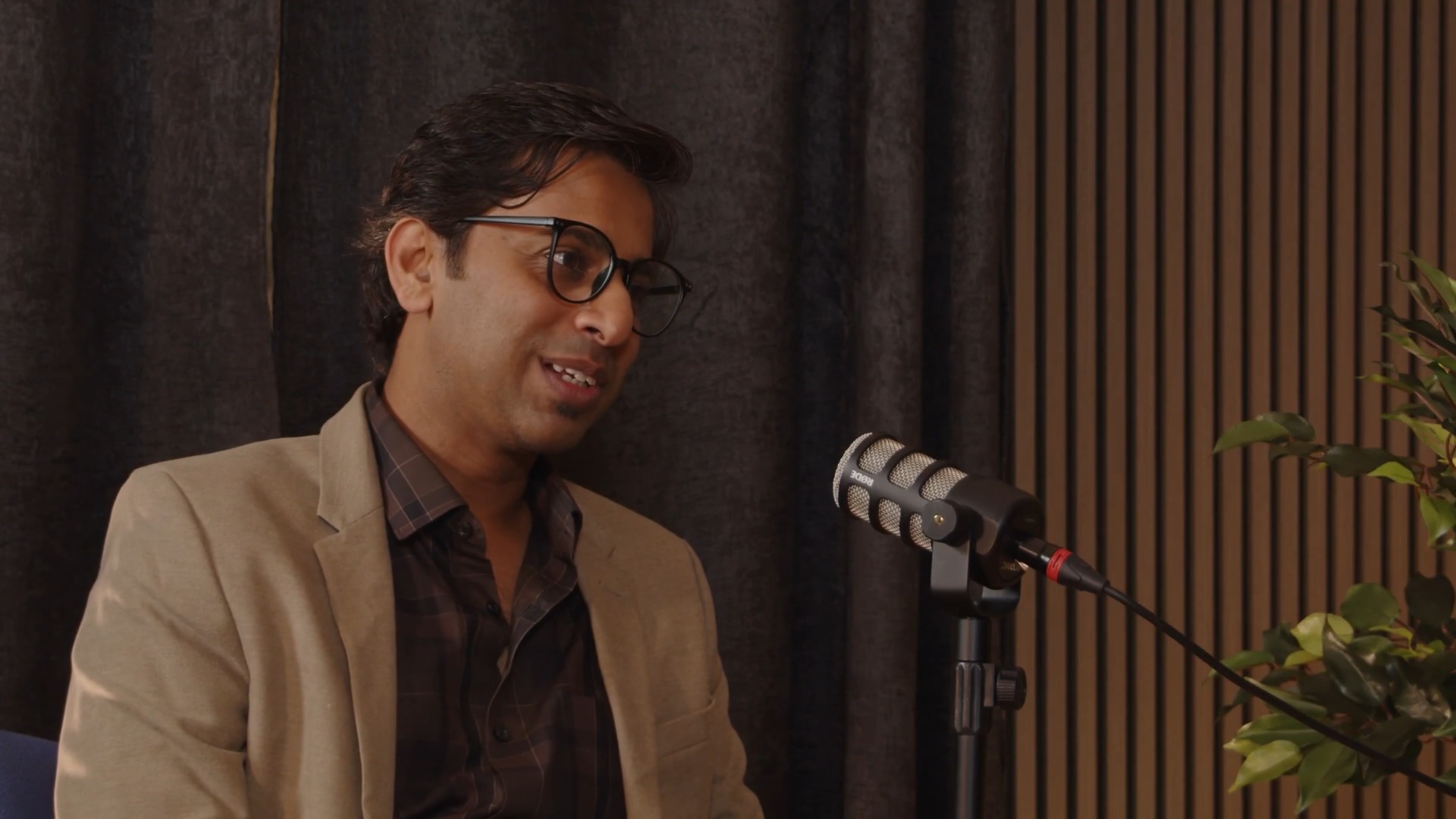
Some guests answer questions. Rishikesh Lokapure answers them with stories, and by the end of this 1-to-1 episode of The Legacy Bench you will understand why brands have paid him to do exactly that. A former finance professional turned copywriter, brand film writer, strategist and author, he has a rare gift for turning big ideas into images you can't forget. Our host started the episode full of energy and finished it, in his own words, completely calmed down.
A new day every day
Rishikesh opened with a question of his own. What is your favourite food? Rice, said our host. Rice once is great, Rishikesh replied, but rice every day for 50 days gets boring. "Law of diminishing marginal utility," he said. "Nobody has asked us to stick to one thing. So I thought, how about a new day every day? And that's where I think this journey really began."
That journey started in a "typical black suit, white crisp shirt" career. He trained in chartered accountancy in India and studied management accounting in the UK. "But then I realised I'm good at making others rich with my ideas," he said. "So I thought, why not use them on my own?"
From bus tickets to brand films
Writing had been his way of expressing himself since childhood, when he would write on the back of bus tickets. After theatre at school and college, he moved into copywriting, which he describes as "the science behind art". In a world of endless scrolling, he talked about the "thumb stopper": the word or visual that makes you stop.
As social media shifted from text to visuals, so did his work, into brand films of four to seven minutes built around a brand's story and values. He has worked "from probably a small corner shop to probably the largest airlines in the world". The smallest ad he wrote cost about £120 to produce. The biggest, at around £13.5 million including marketing, went on to win a Cannes award. He was quick to share the credit: "It was a team effort."
What makes a brand timeless?
For Rishikesh, the story is only the medium. Great brands, he said, "speak to your heart. They speak to the values that you're built upon as a human being." To last, a brand has to be "relevant" and "timeless".
He shared a striking example from his work with a car brand many people dream of owning. Its head of R&D told him that after 100 years as a dream car, they were not sure they would exist for the next 100, because the car was always meant to be driven, not to drive itself. "The audience has changed, the world has changed, but you haven't changed along with the world," he said.
On why people pay more for certain brands, he pointed to Simon Sinek's "Start With Why", and on BlackBerry, he made a sharp observation: "You spoke everything in past tense."
Getting paid to sit and think
Is AI a threat to his job? Not really, he said, because he keeps moving. From brand films he became a strategist, then a consultant, then worked on wildlife documentaries, and now writes books. Along the way he noticed that every role in a creative team is an action: writer, director, producer, designer. Nobody's job was to think.
So he started telling clients: "You pay me because I'll sit and think for you." They said it was crazy. "People didn't buy the idea, but they started buying it when they saw results."
His answer to the "jack of all trades" criticism is one of the lines of the episode: "Only a jack of all can become a master of all." He has never left a role because he failed, he said, but because he had reached the top and wanted to climb a new mountain. "I don't want to be known as a struggle story. I want to be known as a success story."
Running away from comfort
Our host asked what really drives him, expecting perhaps a story of hardship. Rishikesh smiled: he came from a settled, well-travelled family, with a mother who ran a school that became a university. What he runs from is comfort. "Easy for me is boring as well," he said. He credits his wife and daughter, who are "equally crazy", for supporting him.
When our host pushed back, pointing out that not everyone who quits a job without a safety net succeeds, Rishikesh offered a wedding analogy. You dress in your best and expect every eye on you, but nobody looks, because everyone else is dressed up too. "My normal could be very different than your normal," he said. "We are all running parallel trains."
Stories found on a train
His approach to writing is unusual. When he is writing, he doesn't read, because entering someone else's world takes him out of his own zone. Instead he watches people on trains, noting mannerisms, laughs and accents, then lets his characters talk to each other. "I am nobody to decide what my characters will talk," he said.
One story he reads in UK schools during the National Year of Reading covers a neurodivergent child's 100-yard walk to the bus stop, over ten pages. After hearing it, he said, children start looking at their friends differently and building empathy.
He also shared a moving moment: sending one of his books to a storyteller aged 100, and receiving a handwritten reply. His two books published in the UK are The Trees Sing and All Stories Are, the second deliberately left as an unfinished sentence for readers to complete.
The takeaway
Rishikesh's career is proof that a winding path can be a deliberate one. Keep learning, leave while you are at your best, stop comparing your journey with someone else's, and remember who you are writing for. His closing words were the ones that stayed with us: "The real currency is kindness... If you don't have money as currency in your pocket, let kindness be the currency in your pocket."
Watch the full conversation with Rishikesh Lokapure on The Legacy Bench, and tell us which of his stories stayed with you.