
Entrepreneurship & Growth
Why Britain's Construction Industry Is Struggling: Four Professionals Speak Out
9 November 2026 · 4 min read
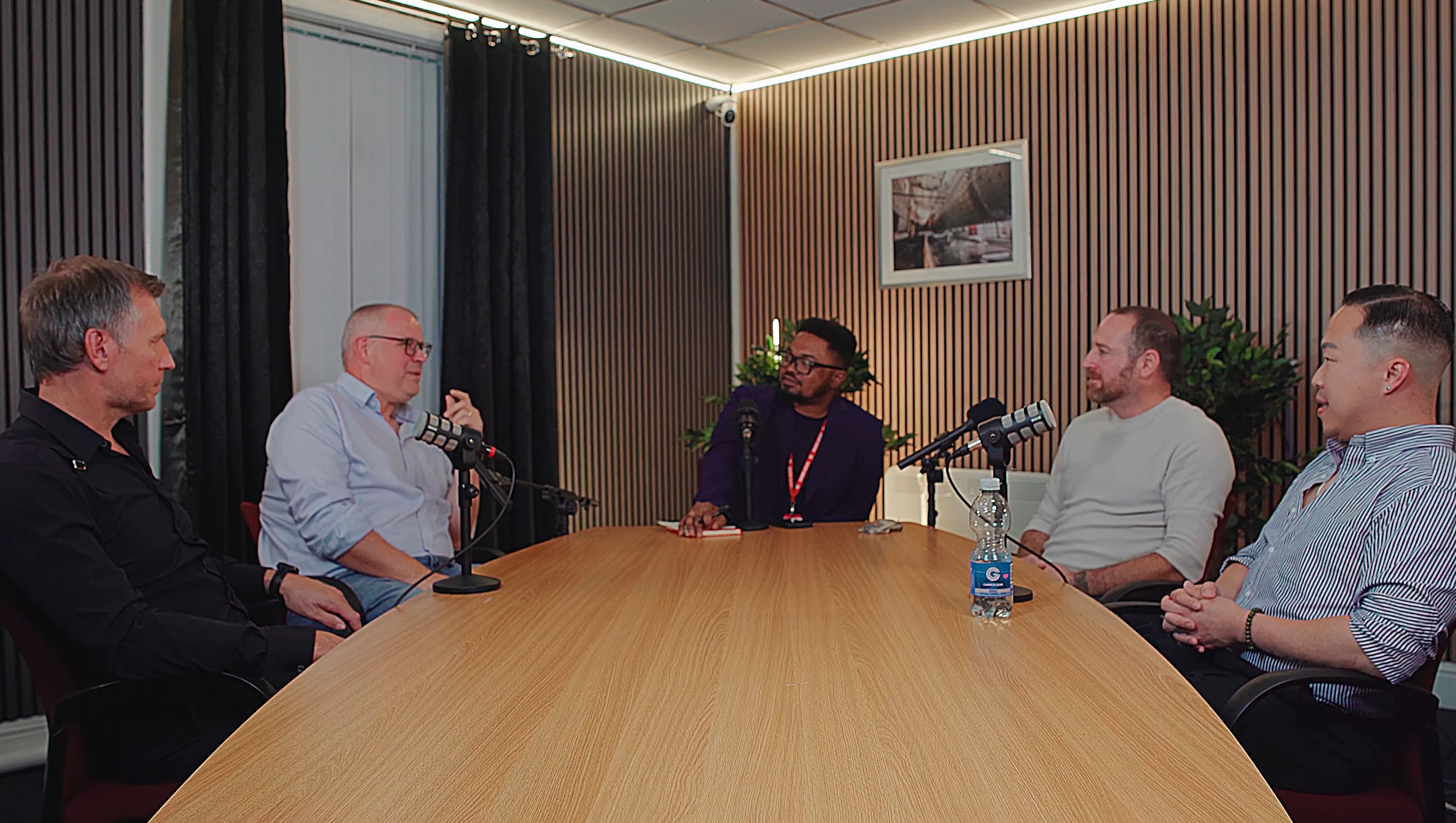
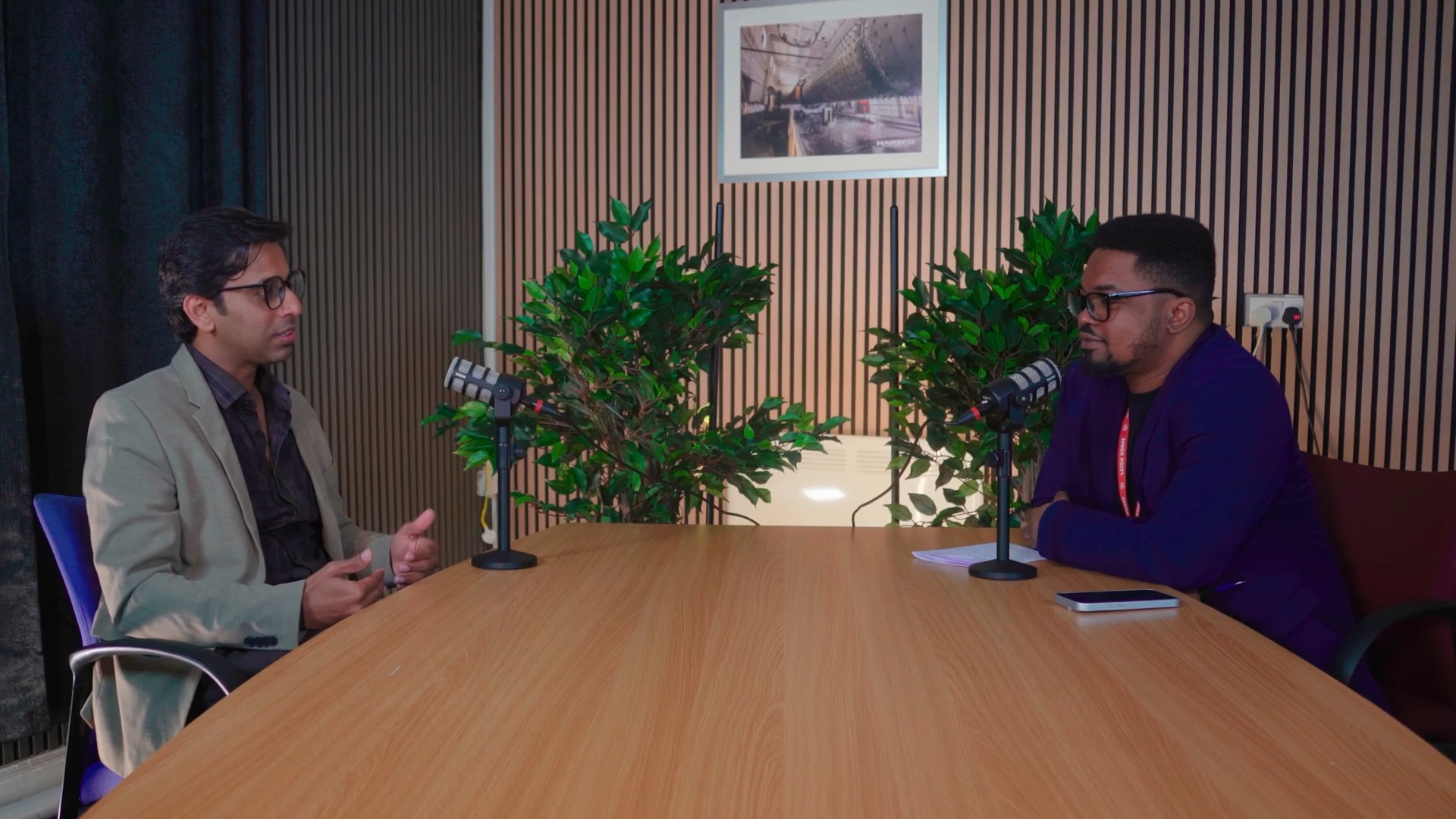
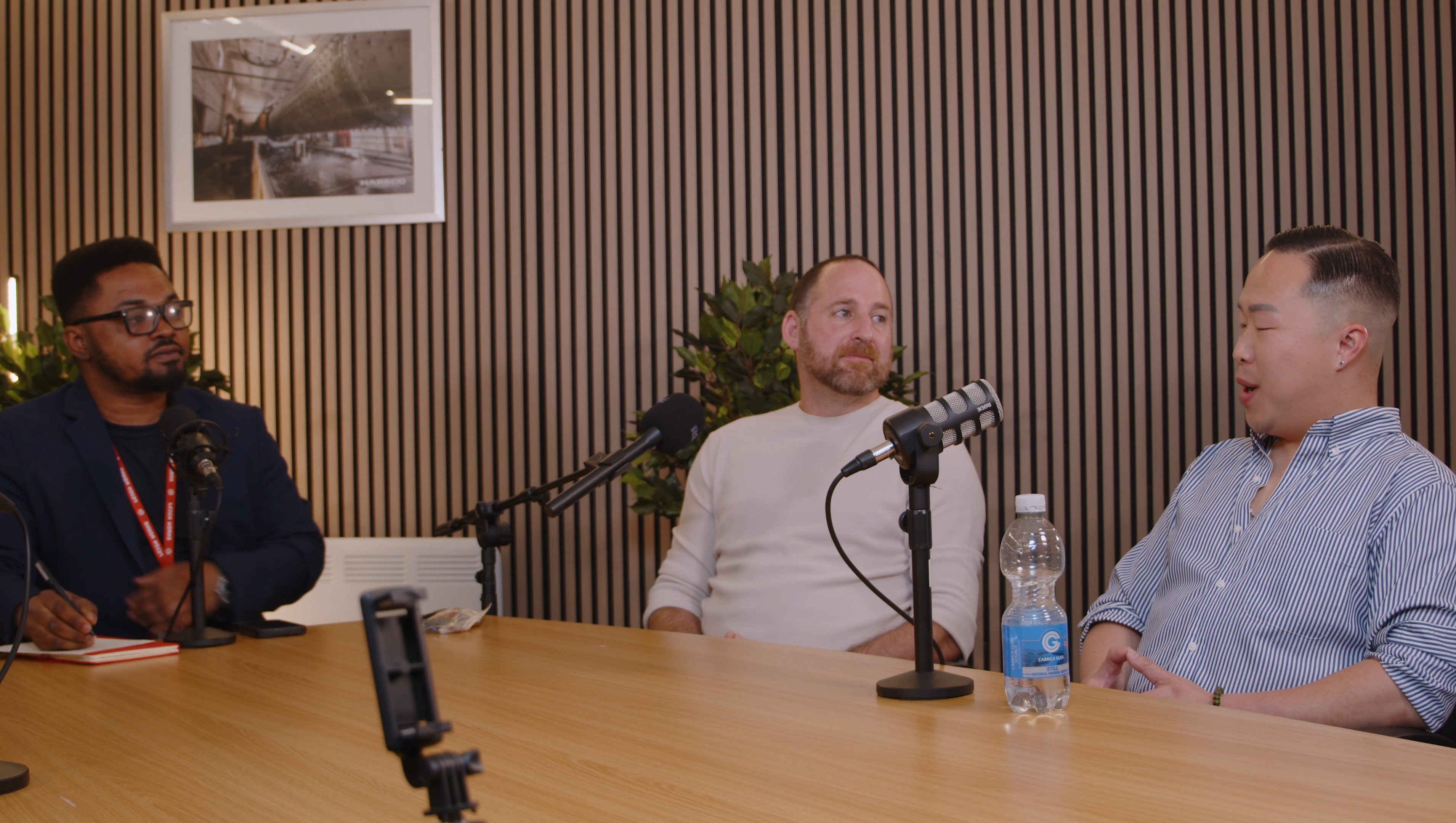
Everyone has an opinion about builders, new builds and house prices. Far fewer people hear from the professionals who actually design, build and maintain Britain's buildings. In this episode, our host brought four of them to the bench for an honest, funny and eye-opening conversation about why construction feels harder than ever, and what could fix it.
Between them they cover the whole journey of a building, from the first drawing to the final coat of paint and the maintenance contract that follows. That range is what makes this one so good.
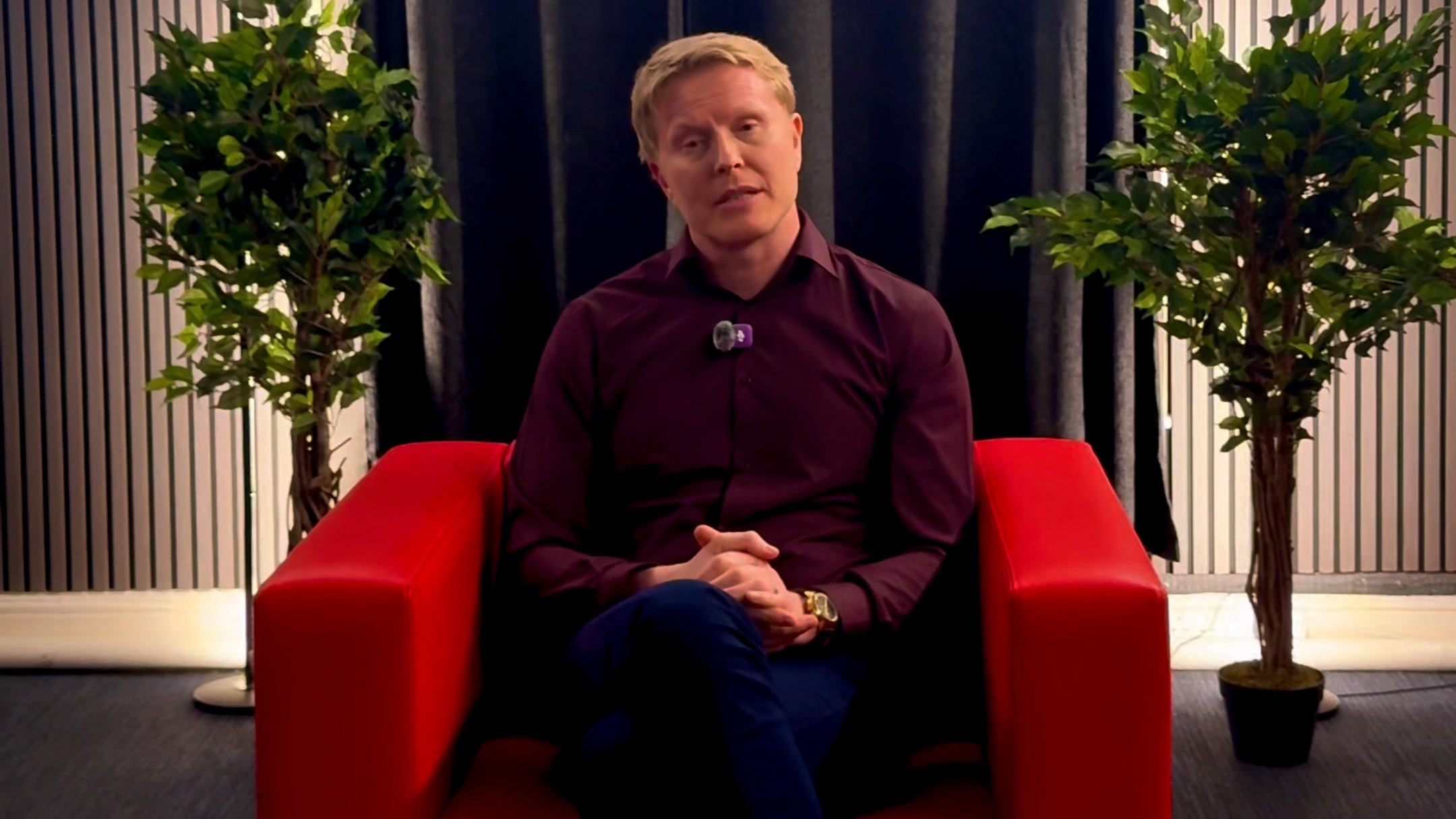
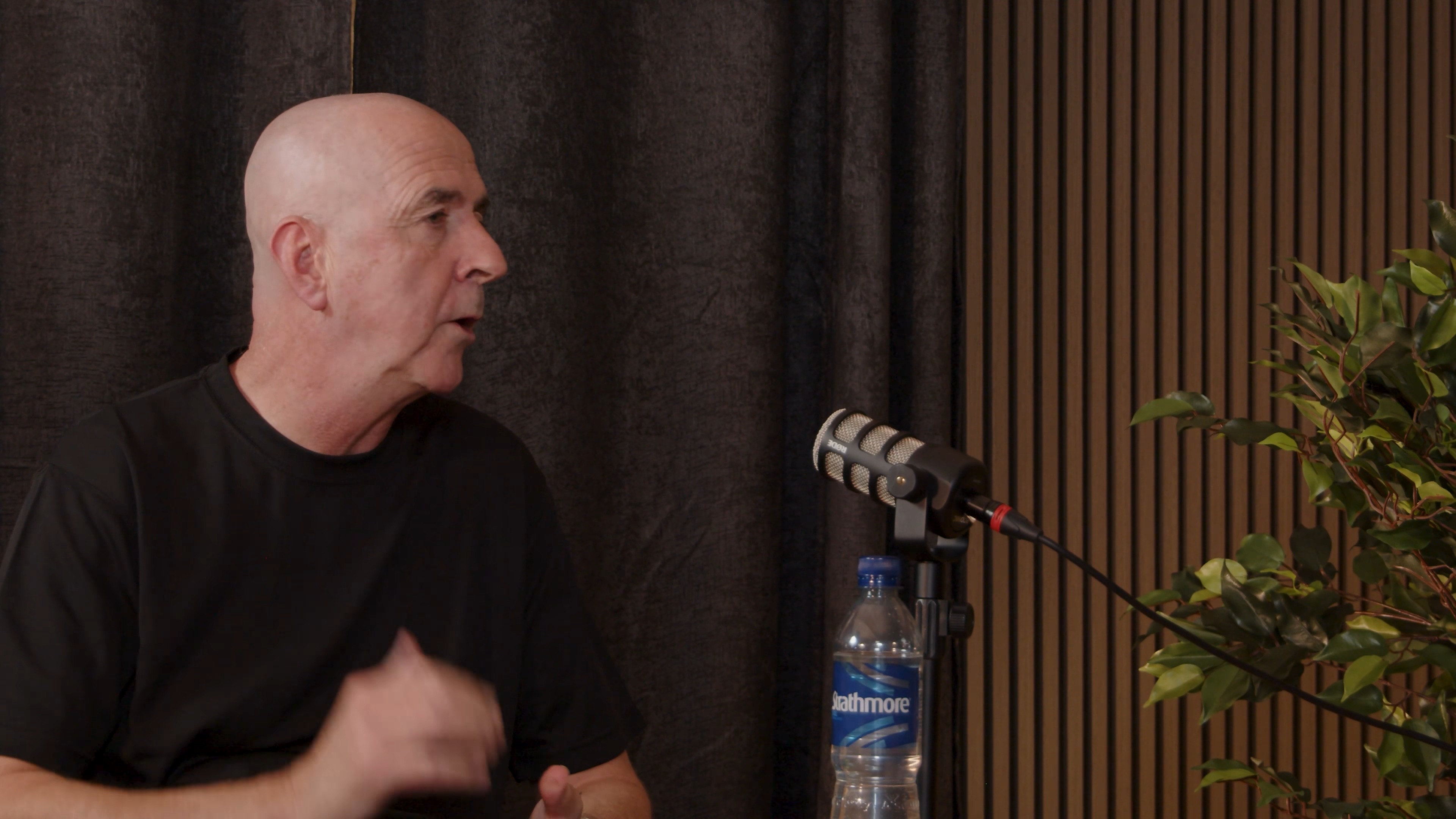
On the bench
Grant Erskine, a RIBA chartered architect and founder of Grant Erskine Architects, with 25 to 27 years in construction and 15 years running his own practice.
Austin Tang, founder and creative director of Austin Tang Interiors, specialising in timeless residential and brand-driven commercial interiors.
Rick Green, founder and managing director of Lecale Homes, a residential main contractor of around 18 years who started out in maintenance.
Stuart Waterworth, technical director and co-owner of Art of Maintenance, an M&E and facilities maintenance company in Trafford Park that he runs with his wife, after 30 years in the industry.
Is anyone enjoying it?
Our host asked the question straight away, and Grant's answer got the first laugh: "I enjoy it, but if you asked, knowing what I know now, would I do it again? I'd probably say no."
The panel described an industry where costs, regulation and complexity have grown at every step, even in the last five years. Well-meaning changes to insulation and building safety rules, they explained, can be hard to implement at first, with materials and trades needing time to catch up. One panellist pointed to a wider culture shift: "Nobody wants to take risk anymore... nobody wants to be the person who made the decision." In that chain, he said, the person at the bottom is the builder.
Designers, contractors and the cost of a small change
One of the best exchanges came between Austin and the builders. Rick explained that construction is a chain: foundations before the slab, slab before the brickwork. "Any change in that chain affects all of that," he said, and a late change always has a financial consequence.
Austin responded with real good humour. "I have to apologise. We designers, we love challenge," he said. "Sometimes we would ignore the contractor's feelings." His serious point was that communication "is the key of every project, to build trust with the clients, to build trust with the contractors."
Stuart summed up the tension: everyone is trying to achieve something within a budget that may not be realistic, and the contractor can end up feeling isolated. "We need to get to a point where the contractor works with the client... collaboratively and with more transparency."
Why construction costs so much
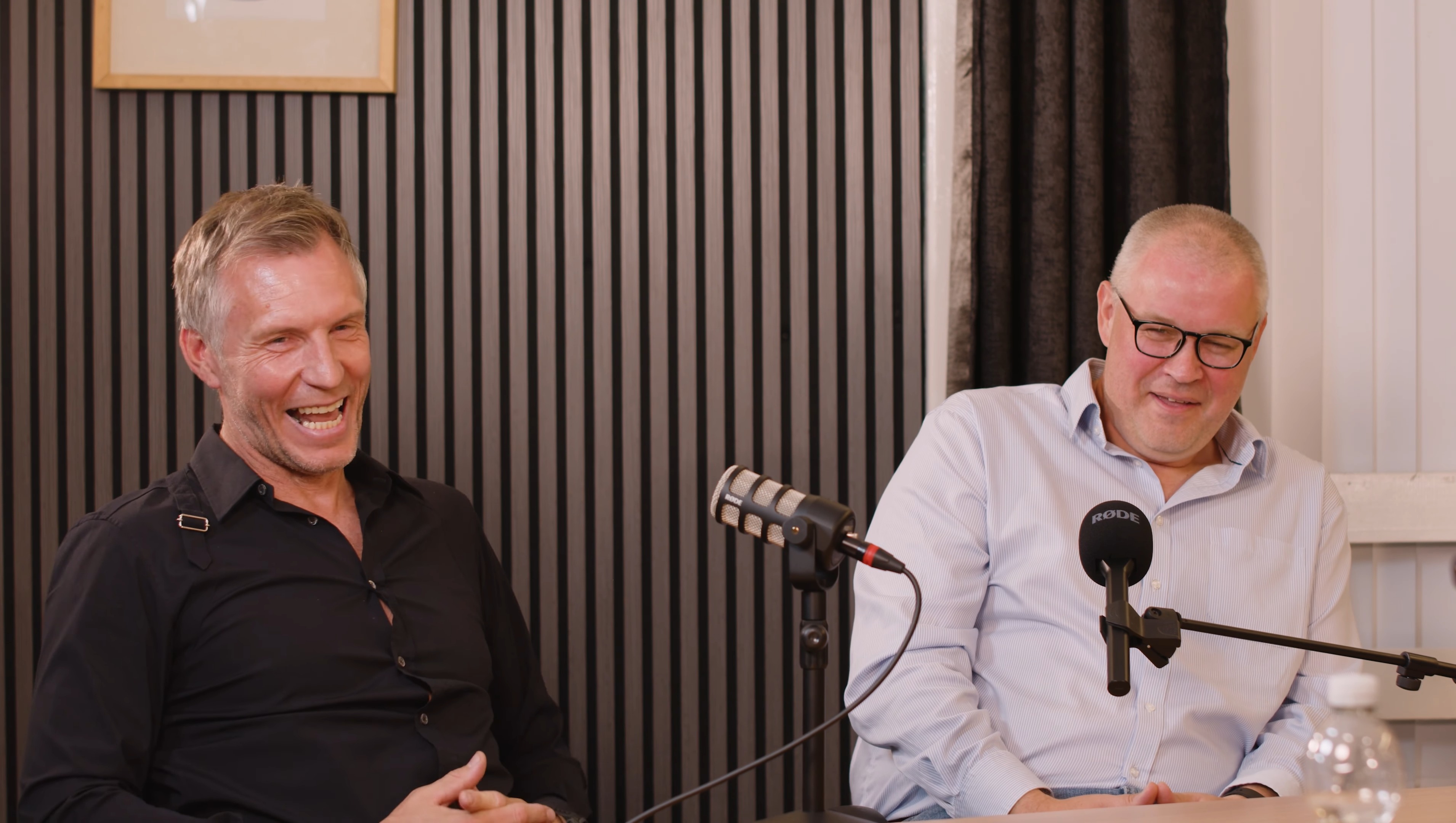
Rick was blunt about the myth that contractors are making a fortune. Even the biggest contractors work on margins of around 10%, he said, and on a house, "20% you'd be lucky". So when clients ask if he can just do it cheaper, "the only way you can reduce a cost is to reduce the scope." He now adds an optional "finishing" section to his quotes, so jobs like hanging 20 pictures are priced up front.
The housing targets and the new-build problem
When our host raised the government's target of 1.5 million homes, the laughter started before he finished the question. The panel argued that the problem is not ambition, but viability. Grant described schemes in Manchester that were shelved by the time they cleared planning, because the numbers no longer worked: apartments worth around £70,000 each that would cost £120,000 to build.
Grant also challenged national space standards that, in his view, leave no room for well-designed smaller homes, and defended well-run HMOs as valid, good-quality housing for many people: "If we didn't have them, there would be hundreds of thousands of people without accommodation."
The skilled trades shortage
Stuart raised what he sees as the deeper issue: "The young trades are not coming through." Without them, he warned, the industry risks ending up with "very few trades and highly paid bad trades." Rick supported a licensing scheme for builders, pointing out that today "anyone can call themselves a builder."
But the panel were also encouraging. Older trades who once guarded their skills are now keen to teach, and some traditional techniques are coming back because they work. Grant even knows an architect who left the profession for dry stone walling and is booked nine months ahead.
For anyone trying to get in, their advice was practical: look for day release or vocational routes, talk to construction recruiters and simply turn up on site. "People like people to be willing," said one guest. Austin shared how, after graduating, he travelled to Malaysia and Singapore to knock on doors with his CV. "When you're passionate about what you do, you need to do what others don't."
Will AI change construction?
Stuart believes construction is one of the safer sectors, though he urged newcomers to understand building management systems, which are becoming increasingly digital. Grant was more cautious about his own profession, admitting that as a father of three he thinks carefully about which careers will last.
The takeaway
Construction is complex, costly and under pressure, but it is also full of people who care deeply about doing it well. The fixes this panel kept returning to were collaboration, transparency, realistic budgets and a real pipeline of skilled young people. Their closing advice for anyone starting out was heartfelt. Grant: "Don't do it for the money. Do it for the love." Austin: understand people, because design "is about the experience you can give to your clients."
Would you recommend a career in construction to someone starting out today? Watch the full episode and tell us in the comments.