Entrepreneurship & Growth
The Real Threat AI Poses to Creators: A Designer, a Filmmaker, a Connector and an AI Founder React
9 November 2026 · 4 min read
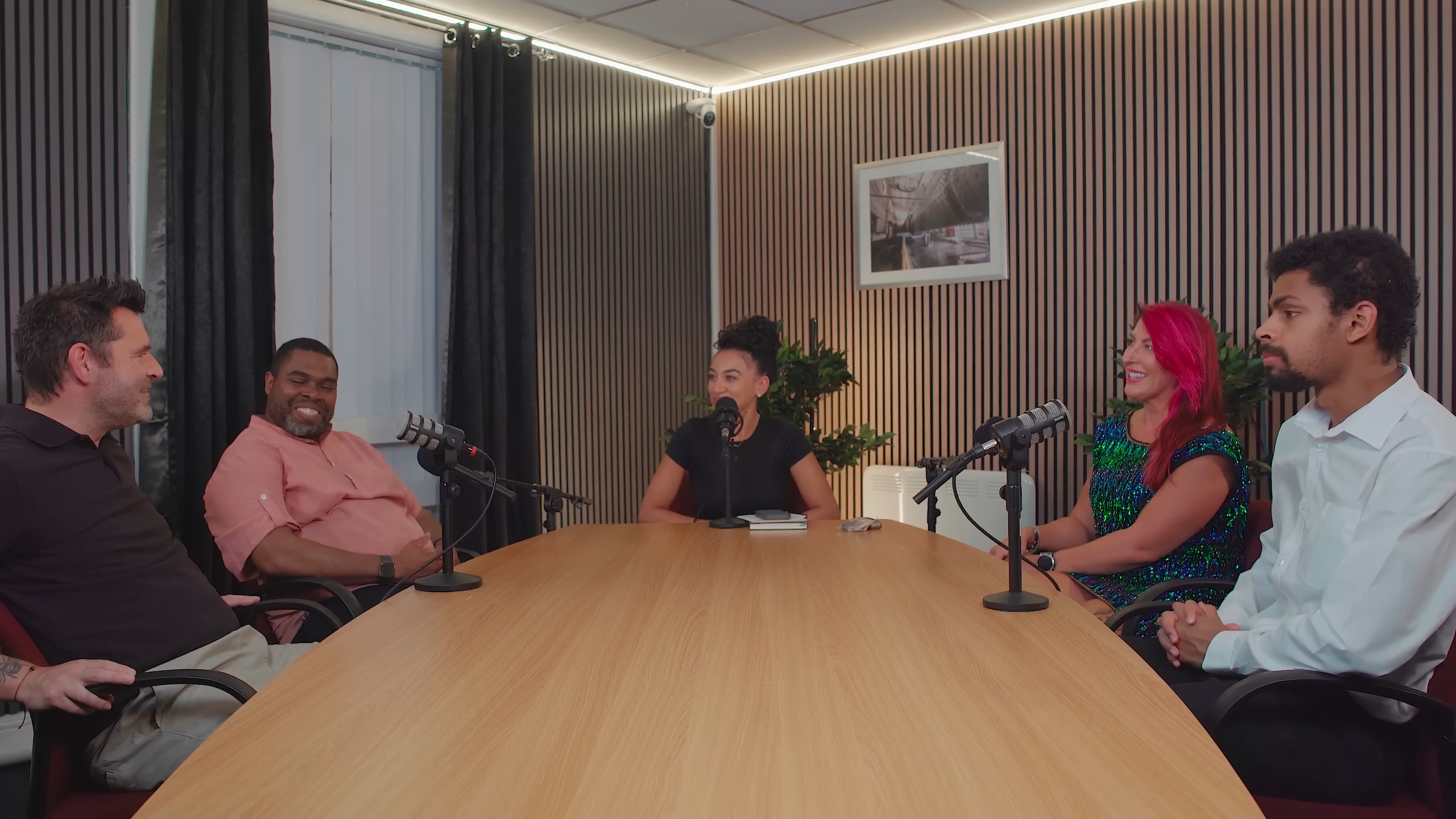
Will AI replace creative professionals? It is the question on many creatives' minds, and in this episode host Molly Ann Kennedy put it to four people who sit at very different points on the spectrum. One uses AI to build an entire software platform. One avoids it almost completely. And two are somewhere in between, using it carefully while watching what it is doing to their industries.
What makes this conversation so good is that nobody falls into easy hype or easy fear. It is thoughtful, personal and full of real examples.
On the bench
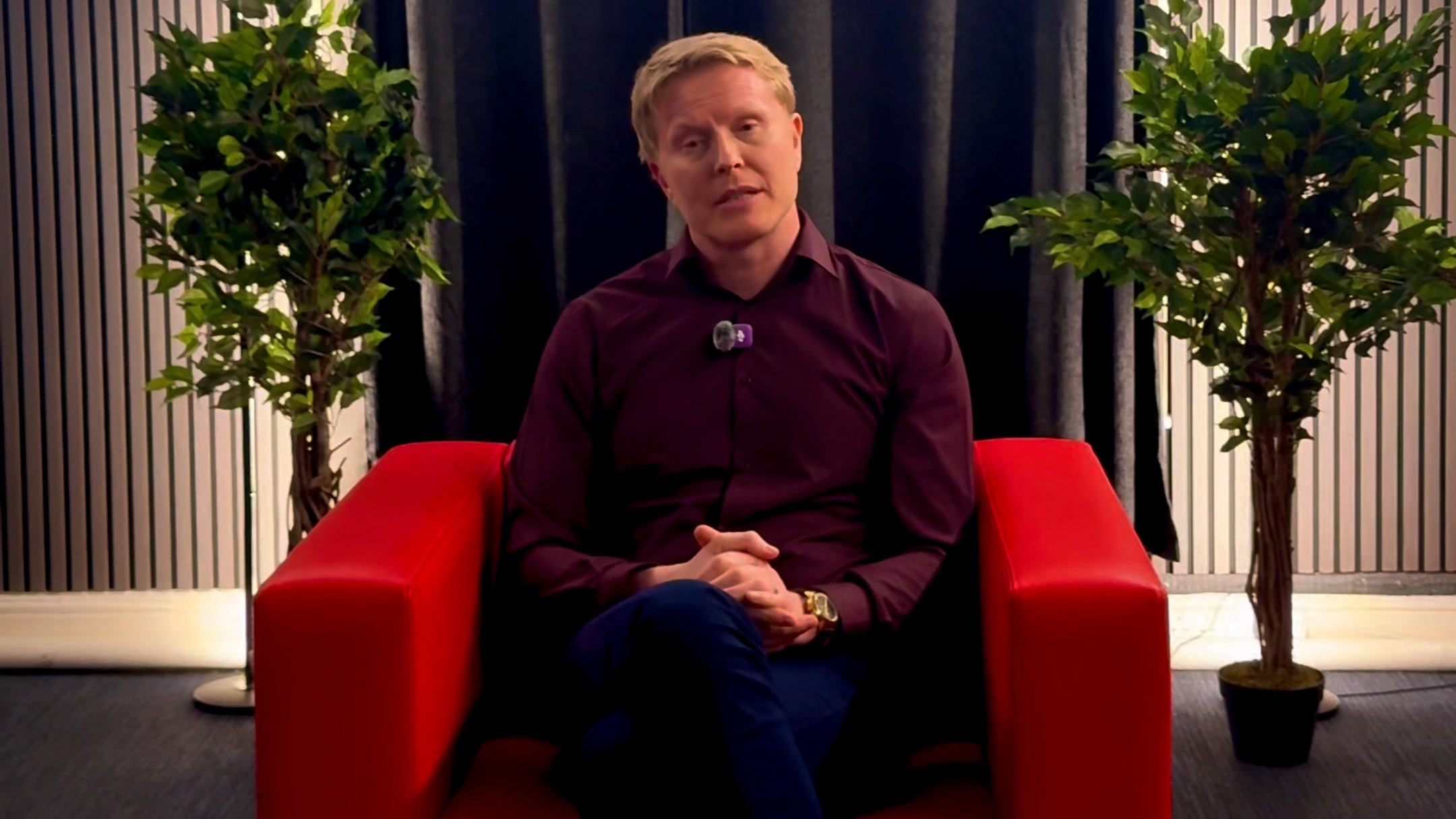
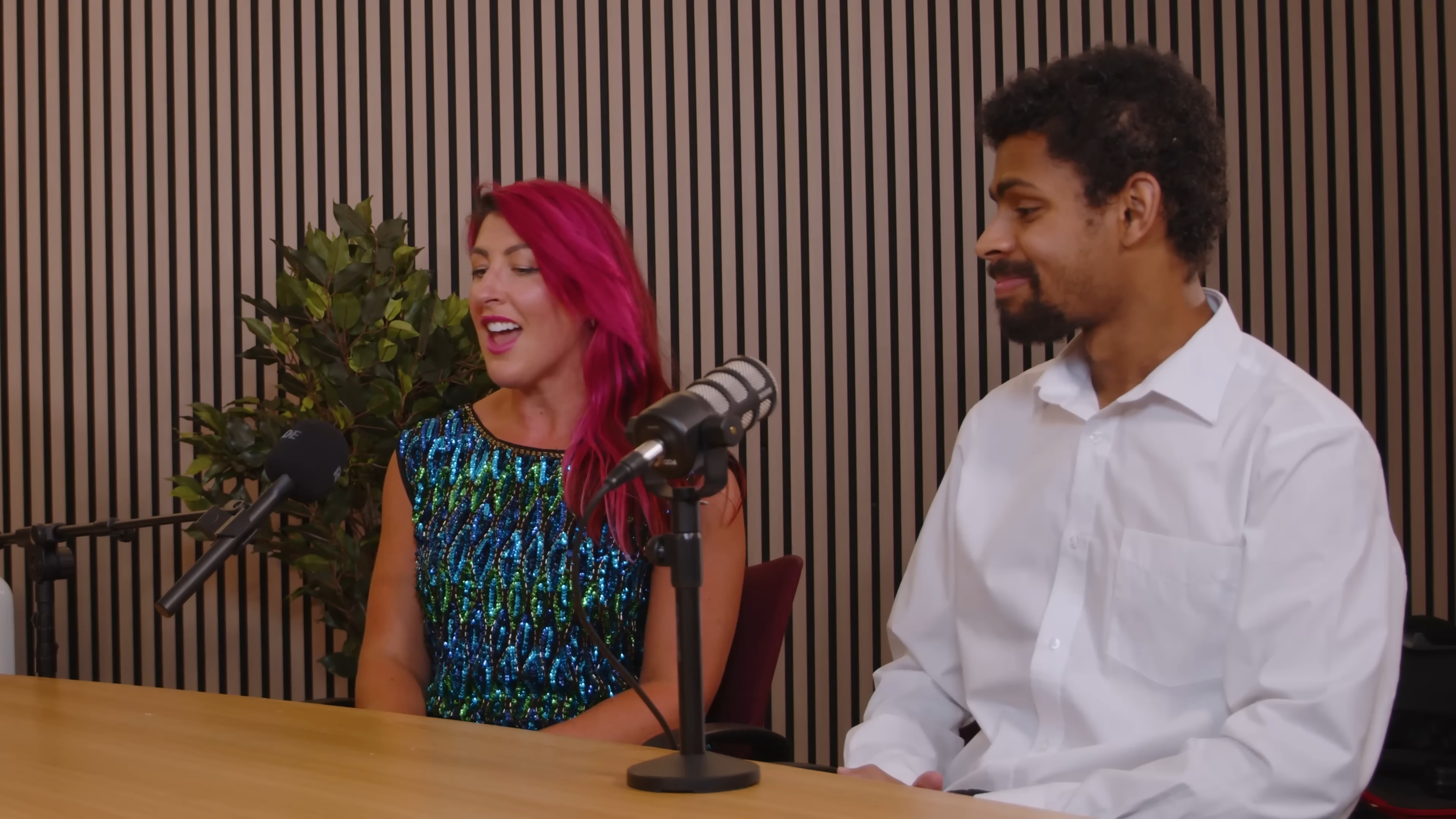
Katy Ennis-Hargreaves, founder and creative director of BOLDISM, a design micro-agency of around six years working on branding, packaging and corporate work.
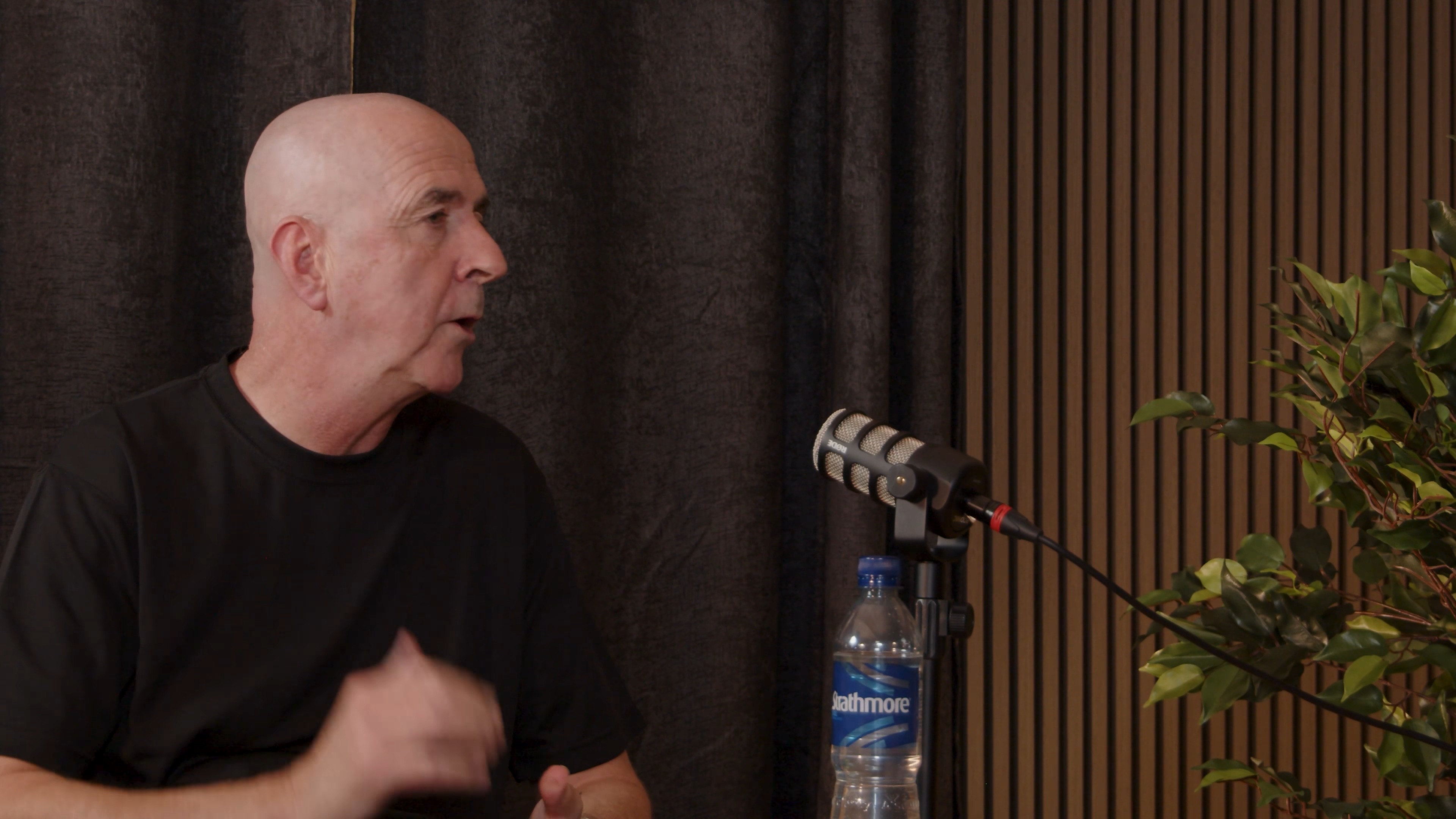
James Kalu, an independent filmmaker, writer and director whose first feature film, Trial, was released last year.
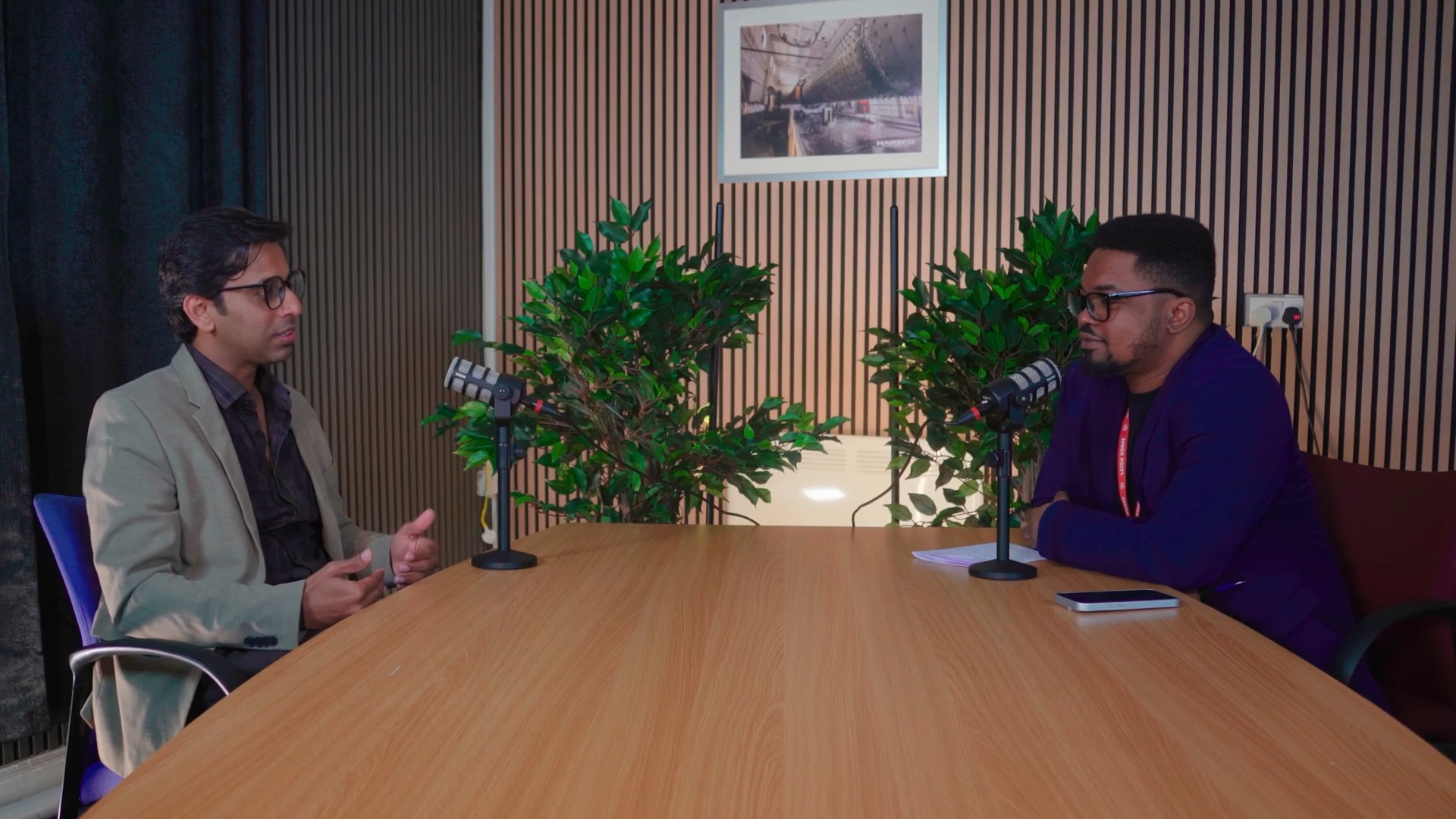
Chris Marsh, founder of Agents Of, a freelance business development specialist working mainly with tech and digital companies in Manchester, and creator of Circles Manchester, which helps people find networking events.
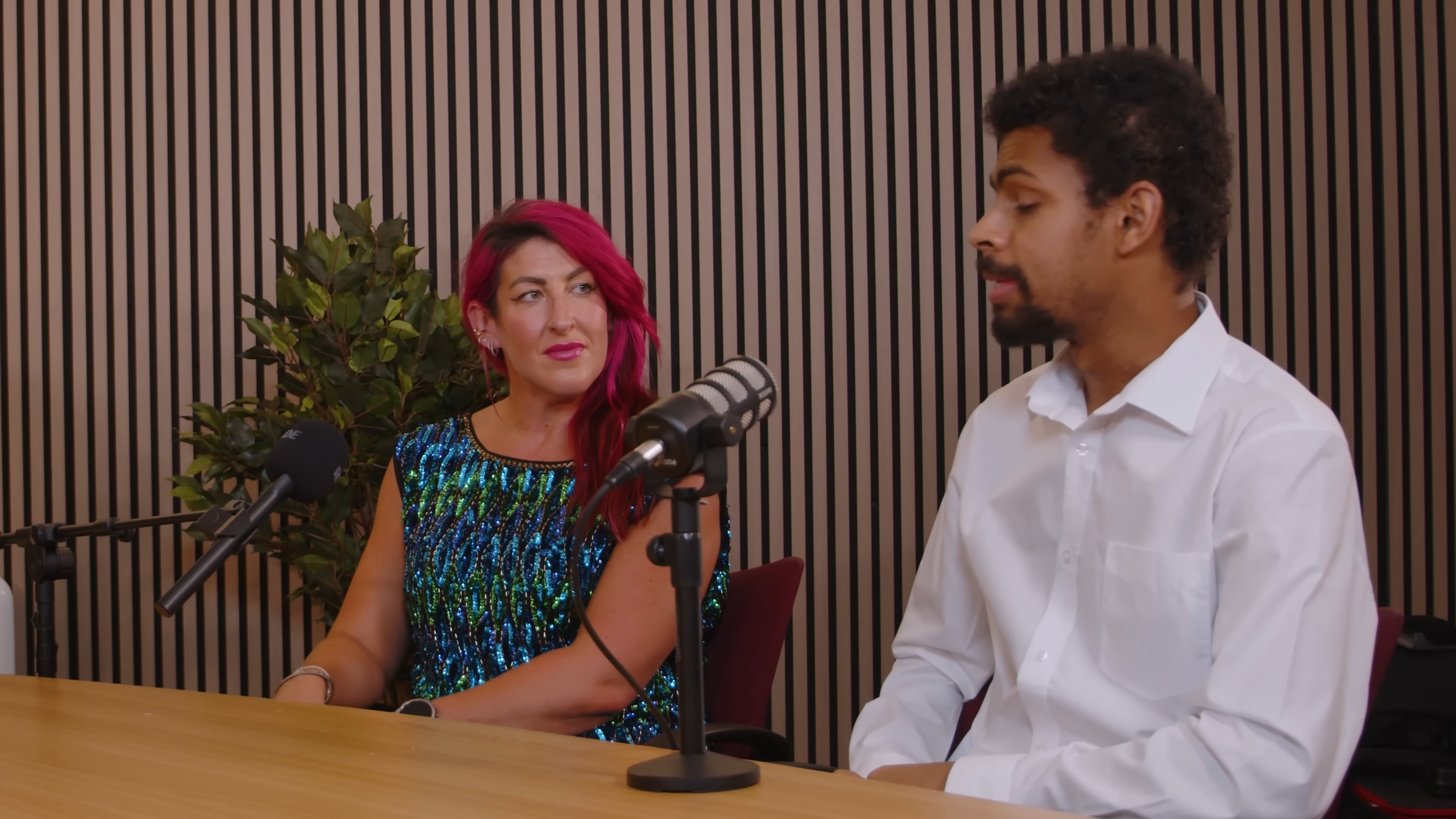
Ese Bobori, founder and CEO of Audibound AI, a platform for creating podcasts and audiobooks, built to make audiobooks more accessible.
How they actually use AI
Ese is the heaviest user on the bench. Building Audibound largely on his own, he used AI "like an employee", but with care, because "if you follow AI, you just kind of go the wrong direction." It gave him the capability to do work that would typically take around five hires. He also uses it to "brain dump" his thoughts and sharpen them. Interestingly, he uses it sparingly for design, out of respect for a craft he still feels passionate about.
Chris uses it minimally. When we asked him for a mission statement, he admitted with a smile that he asked ChatGPT. "AI is there to serve you," he said.
James avoids generative AI as much as he can. His reason is principled: "A lot of AIs, they use people's work, people who have created this work from the ground up with their own ingenuity and their own blood, sweat and tears. And they take it without a concern in the world."
Everyone starting to sound the same
Katy gave one of the sharpest observations of the episode. AI has eased her working day, tidying her notes and handling admin, but it is reshaping her industry fast. Entry-level copywriters are struggling to find work, and clients now arrive with strategies that have been through AI but not through a human who asks the hard questions. "AI is always really positive," she said. "It very rarely picks you apart."
The result, she warned, is uniformity: big businesses "starting to sound exactly the same as, you know, Jane who owns an independent bakery down the road." She also raised the environmental cost of AI, which she feels "nobody seems to really talk about that much."
On how brands can stand out, her answer was alignment. If what a brand says online doesn't match its values or its physical space, people notice, and trust suffers.
A filmmaker's story
James's journey is one of the most memorable on the bench. He played academy football, including a run to the third round of the FA Youth Cup against Chelsea, before a long-term knee injury ended his hopes of a professional contract. Around the same time, he came to faith. "I don't know what I would have turned to if I hadn't found him," he said.
He went on to study architecture at the University of Salford, taught himself to tell stories by making short films inside a video game, and eventually moved into live action. His first feature, Trial, follows a former footballer waiting to hear the verdict of one last trial, a role he played himself and drew on his own experience for. His hope for the film was simple: "I hope that it's real."
Why networking still beats automation
Chris has spent nearly 30 years in new business sales in Manchester and more than 20 on LinkedIn. His philosophy is refreshingly human: "If you can actually see the whites of people's eyes and shake the palms and build those actual real relationships and trust... that for me is a more worthwhile and more enjoyable way of doing business."
He went self-employed because he wanted more good days than bad, and a good day for him is making introductions and helping people. He also shared a funny moment: sending a genuine, personal message on LinkedIn and then wondering if the recipient thought it was AI. "Perhaps I might have to just start putting a little asterisk," he joked.
Will human work become premium?
Ese offered a hopeful long view. He compared this period to the arrival of the internet and the Industrial Revolution, a painful transition that could eventually free people to do more. He is excited about what AI could do for medicine and mathematics, but his most striking point was about value. If AI can do everything, then choosing a human becomes the premium choice. "You can do that film with AI, but you use a human... That's premium."
He also shared the frustration that pushed him to build his business: applying for jobs and getting rejections within hours, feeling his skills were being filtered out. His worry is that "the very thing that we are will get lost" if everyone relies on AI to speak for them.
The takeaway
AI is already changing creative work, from who gets hired to how brands sound. But this panel made a strong case that originality, values and real relationships are becoming more valuable, not less. Use the tools where they genuinely help, protect the craft, and keep the people element at the centre. As Chris put it, "so long as we don't lose what's in here."
Will AI replace creativity? Watch the full conversation and tell us what you think in the comments.