Entrepreneurship & Growth
Six Entrepreneurs Pitch for £5,000: Would You Have Invested? | Pitch'd or Ditch'd
9 November 2026 · 5 min read
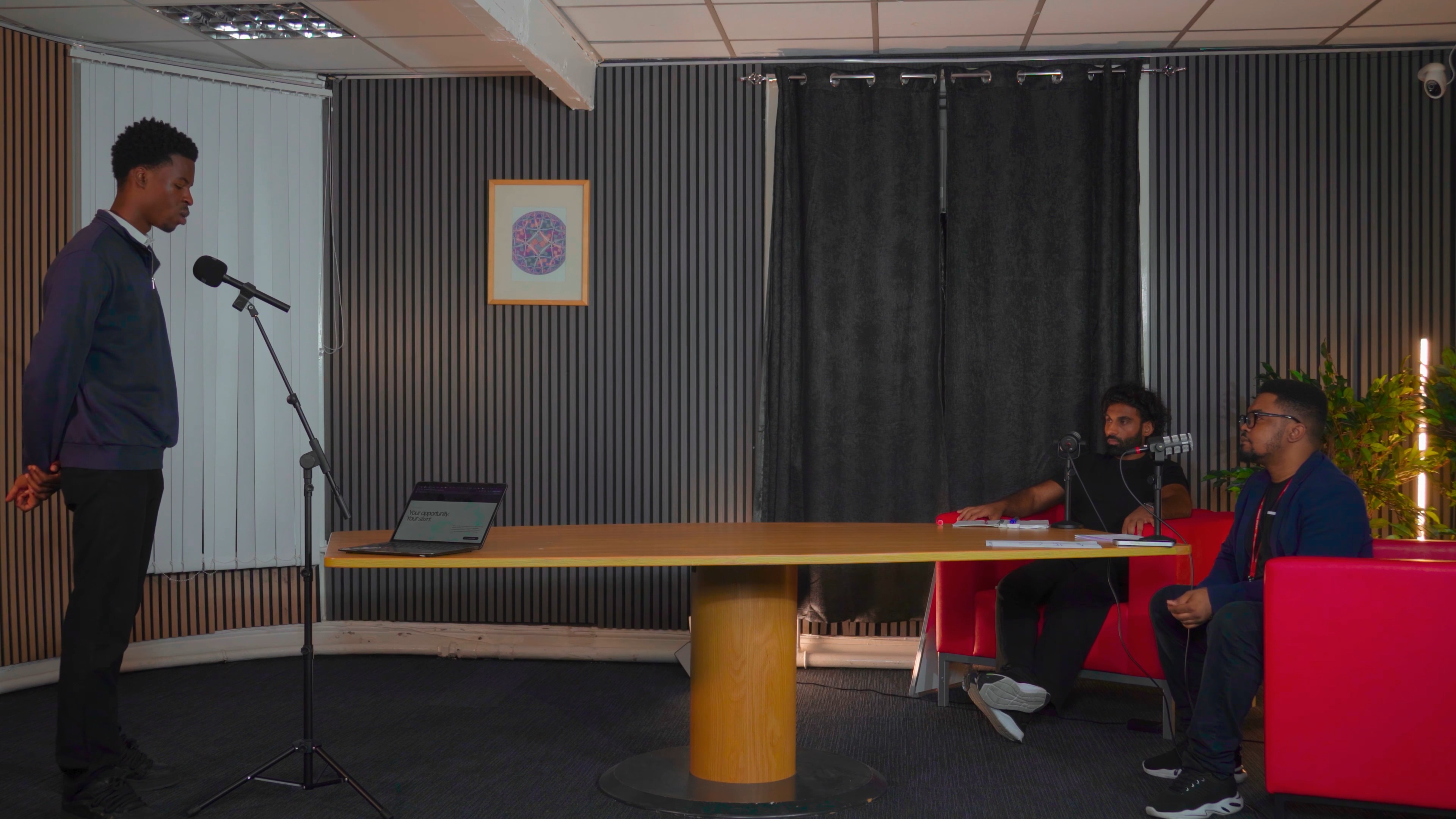
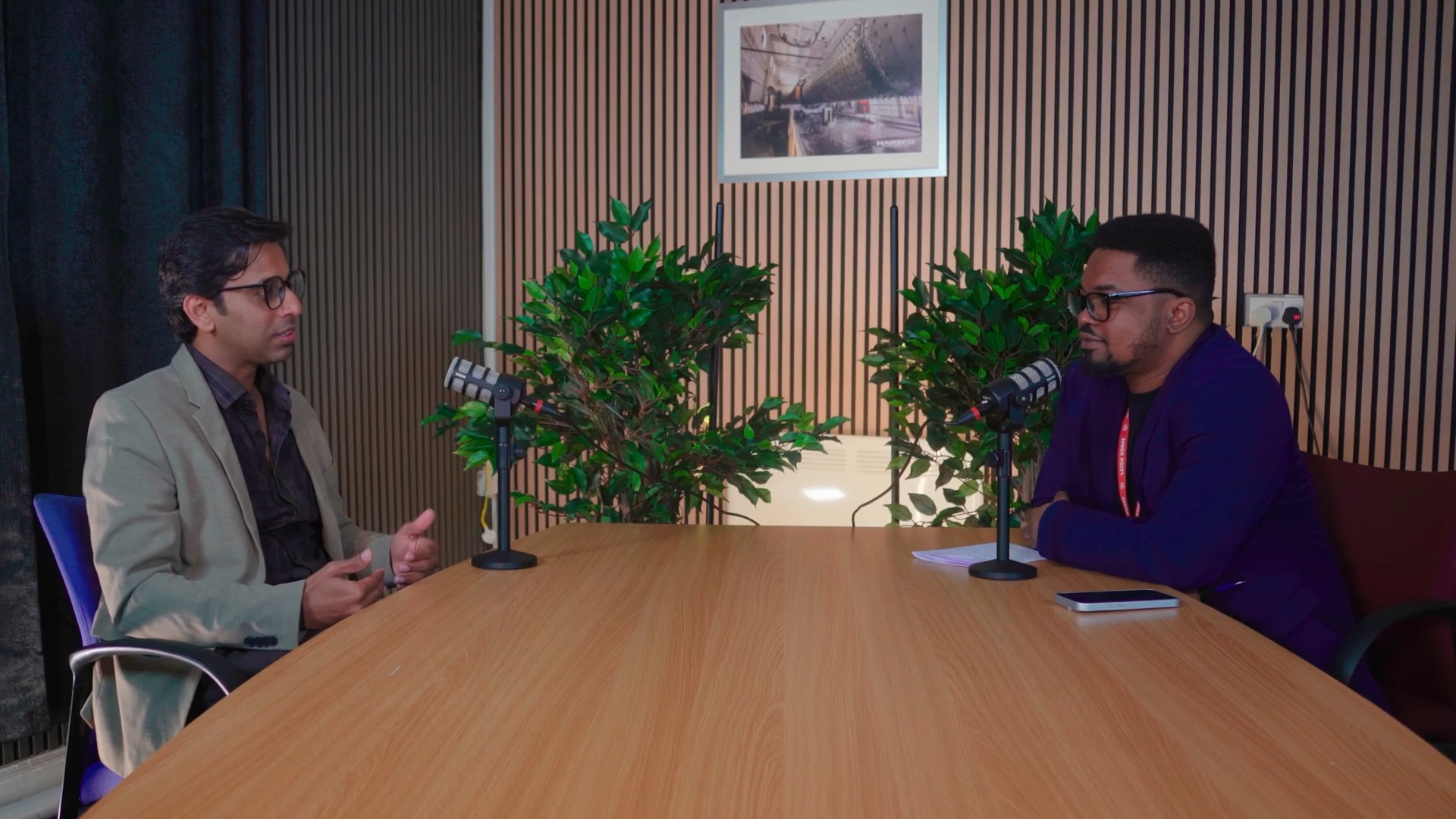
Six people. Six ideas. Up to £5,000 on the table, along with industry contacts, guidance and support. In this edition of Pitch'd or Ditch'd, six entrepreneurs stepped up to the bench to convince two investors that their idea deserved backing.
Some arrived with a product in hand, some with a story, and one having already invested around half a million pounds. All of them had the courage to stand up and hear honest feedback on camera, which makes this one of the most watchable episodes of the series.
The investors
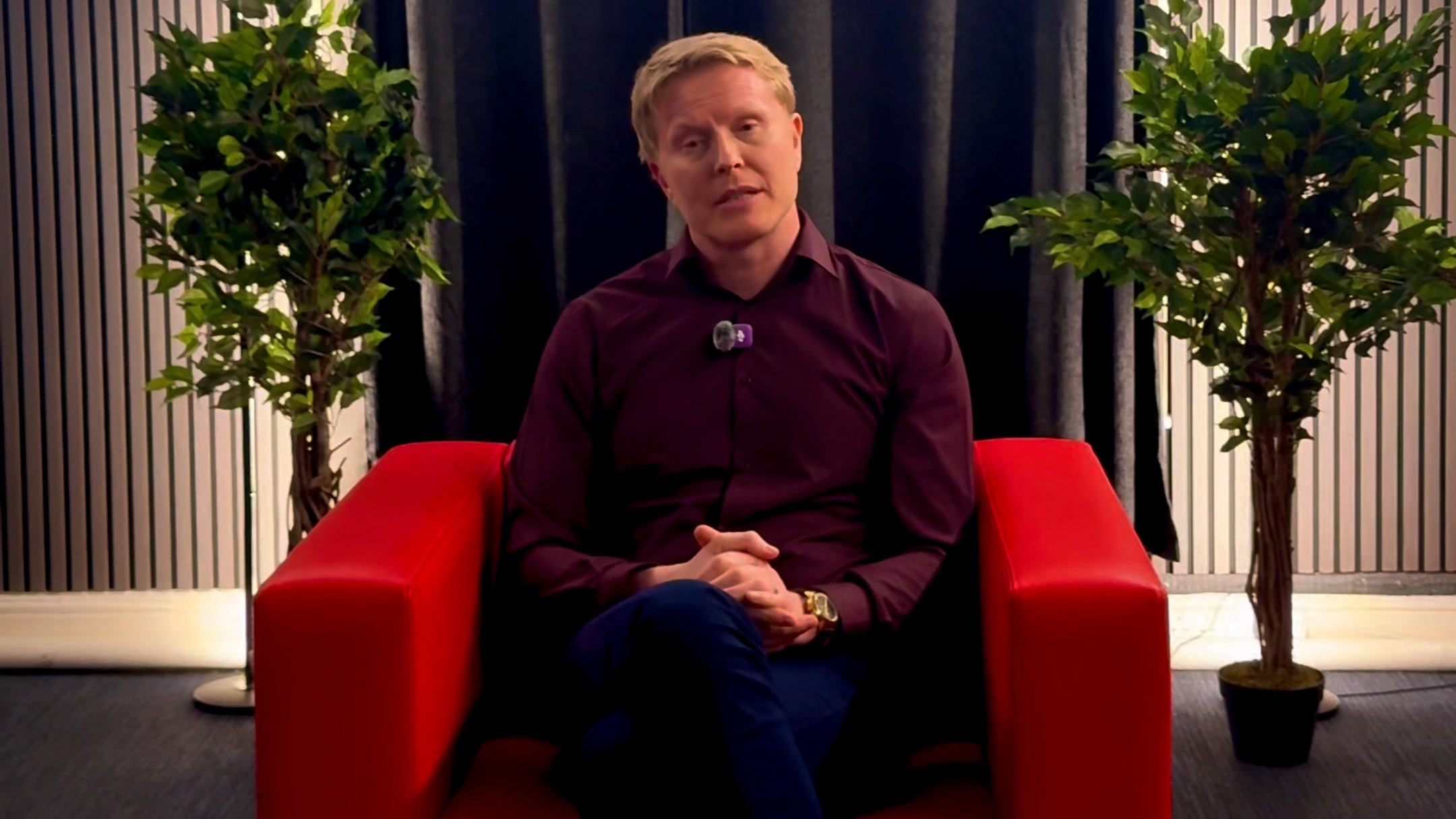
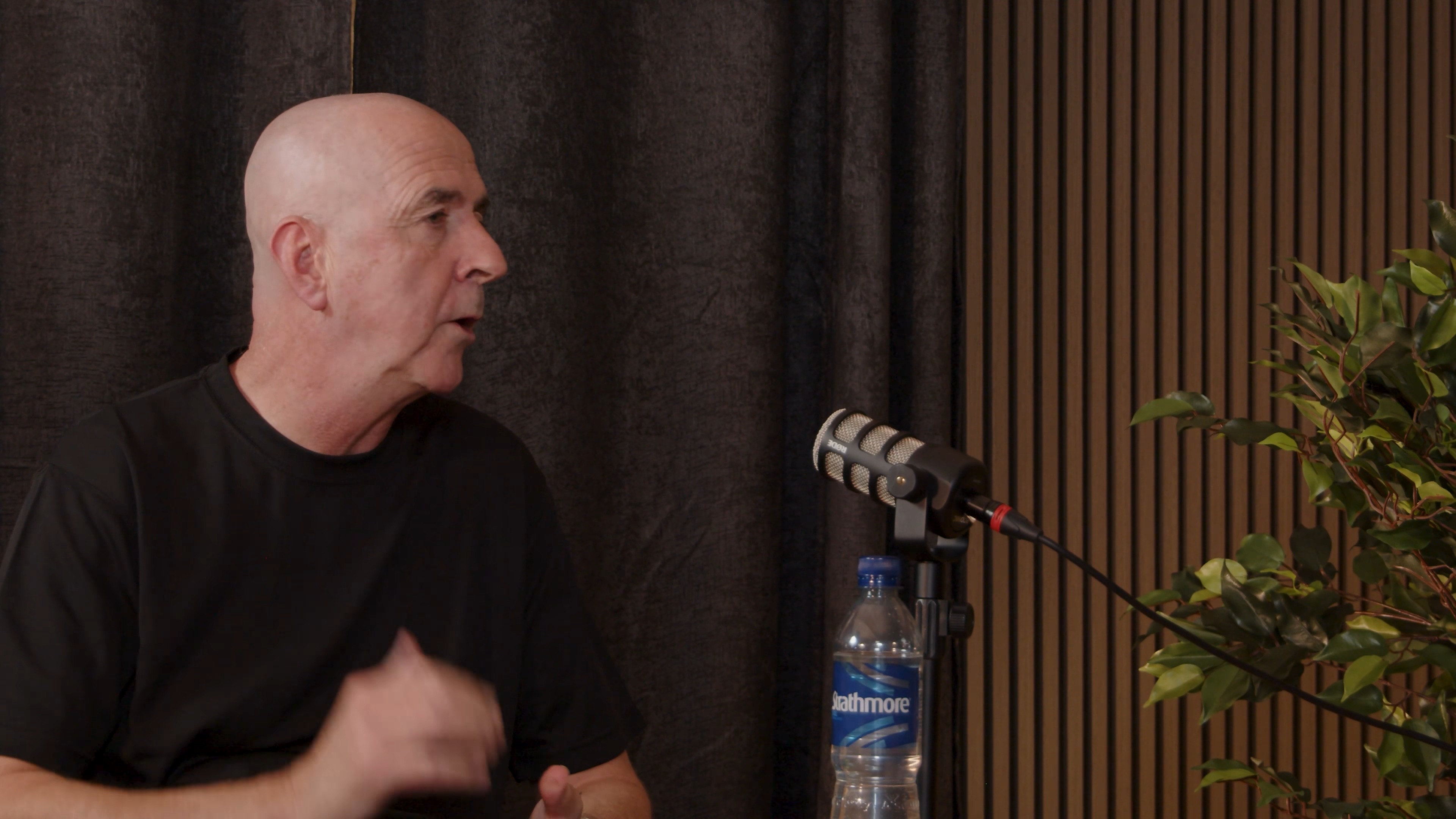
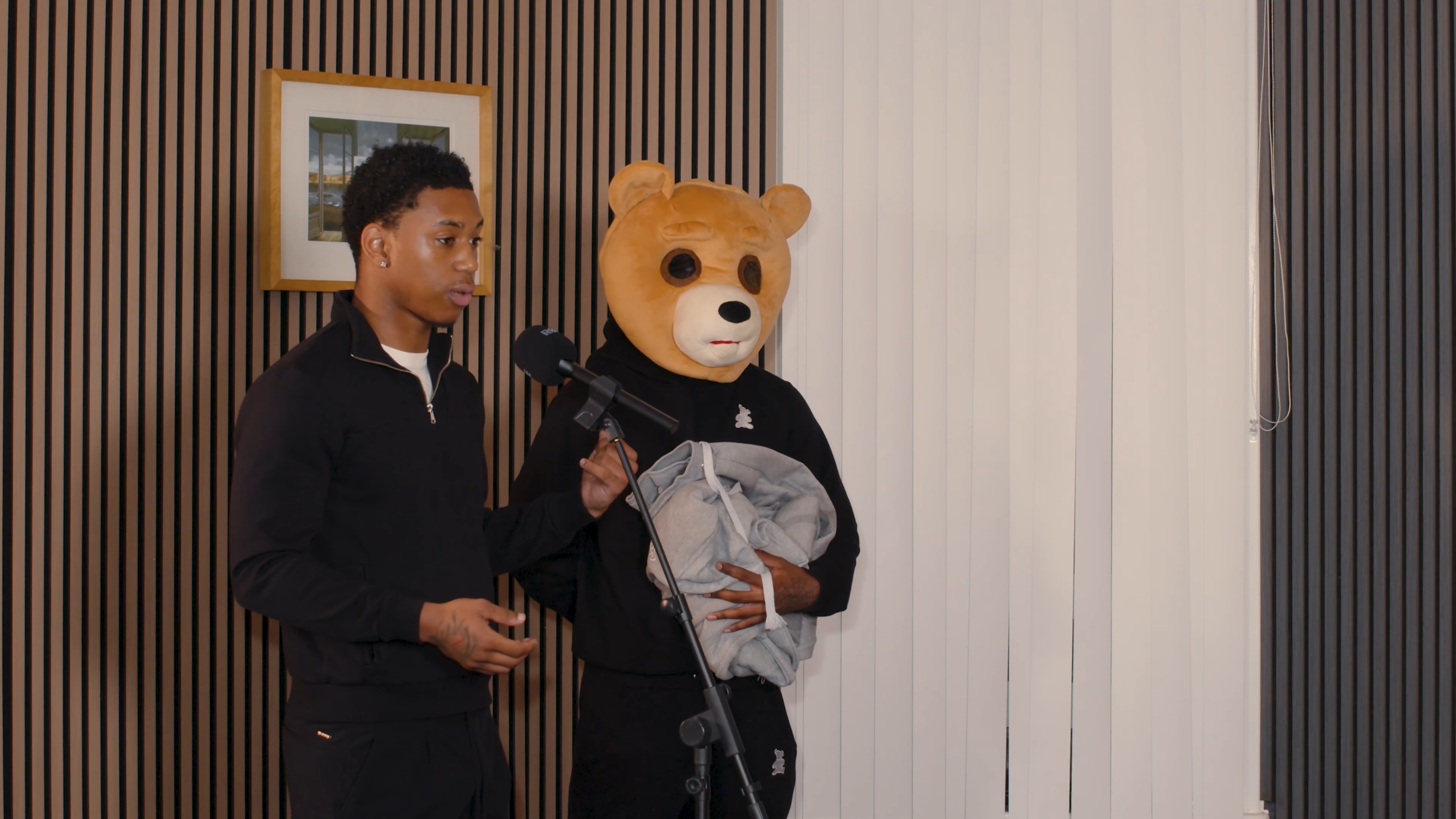
Our host, Princely Samuel Okere, sat on the panel alongside Ibby Aslam, founder of whp.live, an advisory firm for personal trainers and fitness coaches, with a sister company that helps founders and CEOs transform their health. Ibby described his own style as "a bit of tough love", and he meant every word kindly.
The pitches
Zion Dunn, founder of Rumé, a fashion brand built around presence, identity and meaning, with ambitions to enter the luxury market.
Alfa Duru, founder of Duru Talents, a talent agency for models who don't fit the industry's traditional height and appearance requirements.
Joe Engledew, an award-winning independent filmmaker raising money for a short film to act as a calling card for a feature.
Darren Evans, founder of Useful and author of Useful Advice from a Hypocrite, a book born from his own experiences of mental health and fatherhood.
Darren Haley, founder of Brengor Innovation Ltd and a former prison officer for 19 years, presenting a patented razor invention designed for prisons and mental health settings.
Max Johnson Goldrich, founder of Fortuna Ludi, creator of a four-player team chess game.
A brand with a story behind it
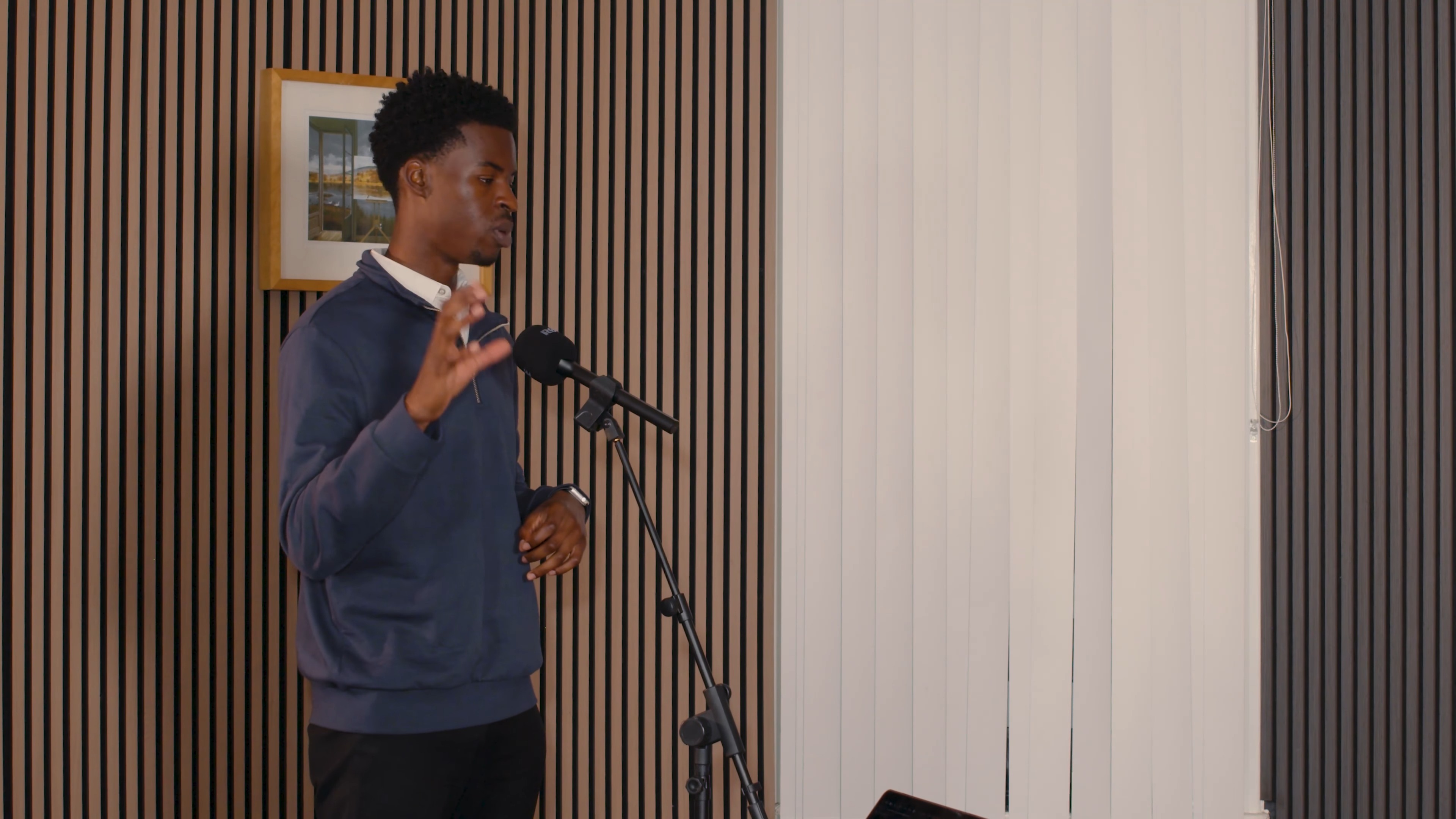
Zion opened the day with real heart. Rumé, he explained, is about "presence, identity, and meaning", inspired by something precious his family lost, and its name honours his baby brother. He passed his sample tracksuits to the investors, who were impressed: "Oh, looks quality."
The sticking point was evidence. With no first drop yet and around £1,200 needed for manufacturing, our host suggested he come back with pre-orders. Ibby offered a practical route: put up a landing page, take pre-orders, and use that money to place the order. "A lot of these big brands do that," he said. Zion admitted it was an option he had not yet explored.
Opening doors in modelling
Alfa has modelled for brands including JD, Adidas and Manchester United, and was candid about why: "The only reason I was given this opportunity is because I'm over 6 foot, something completely out of my control." Duru Talents exists for the many talented people who aren't given that chance, matching them with upcoming brands that care more about confidence in front of the camera than height.
The early signs were promising: a working website, more than 20 sign-ups within two days and 14 approved models, plus two shoots already completed for brands. The investors loved the gap in the market but wanted to see more bookings first. "Just do another 18, 20, 25," said Ibby. Alfa explained he had come mainly for exposure.
Backing a filmmaker
Joe made a bold ask. He wanted the investors to be producers, not just backers, for a character-driven short film set in one location. He was refreshingly honest: "I struggle to kind of talk about this from a business side of it... All I've really ever understood and the language I speak is films."
The investors respected the passion but couldn't see a clear return, and felt he could start smaller with the kit he has. As the investors reflected afterwards, plenty of creators have done amazing things with simple equipment, because "it's the storyline that sells."
When pain becomes a product
Darren Evans gave one of the most moving pitches in the show's history. During lockdown, out of work as a joiner and unable to see his children, he was struggling with his mental health and found there was a long wait for support. So he wrote. "I wanted to create something for other guys like myself," he said. He now has full custody of his children, and his daughter joined him at the studio.
Since then he has run free workshops for young people at a boxing club, mentored clients one-to-one and approached employers about wellbeing workshops. Ibby urged him to focus: "Figure out what is the one problem you can solve for someone," and build his personal brand on LinkedIn. Our host bought ten copies of the book on the spot. Darren took it in his stride: "I don't look at it as a loss or a failure... this still puts me in the right direction."
An invention years in the making
Darren Haley was the most advanced founder of the day. Drawing on 19 years as a prison officer and senior officer, he has developed a patented razor design intended to reduce the harm disposable blades can cause in prisons. Around half a million pounds has gone into it, supported early on by innovation funding, with a patent granted in the USA and the EU on the way. He hopes to begin beta testing within three to six months.
Interestingly, he wasn't after money at all. He came for connections in photonics and motion control. Ibby admitted it was not his field, but said: "I'm sure someone watching will be like, yes, how do I get in touch with him?"
Four players, one board
Max built his game out of frustration. With three children, he wanted all four of them to play chess together and couldn't find a four-player version he liked. "I didn't want to create this," he laughed. In his team version, partners protect each other, and the game is won by checkmating both opponents. He has invested £1,850 of his own money so far, with apps for Android and iOS in development.
The investors liked the concept but wanted to see demand first, with a waiting list and then pre-orders. Max took the feedback with good grace: "I don't like hearing it... but at the same time, I think it's helpful."
The takeaway
No one walked away with investment this time, and the investors were open about wanting to see more evidence first. But every founder left with something valuable: clear, practical next steps. Test demand before you spend. Get pre-orders. Complete more orders. Find the one problem you solve. As Ibby put it, "Go and talk to people."
Six people, six ideas, and a lot of courage. Watch the full episode, make your own decision, and tell us in the comments: which founder would you have backed?