
Entrepreneurship & Growth
Should Life Coaches Be Regulated? Four Wellness Professionals on Training, Lived Experience and Being Heard
9 November 2026 · 5 min read
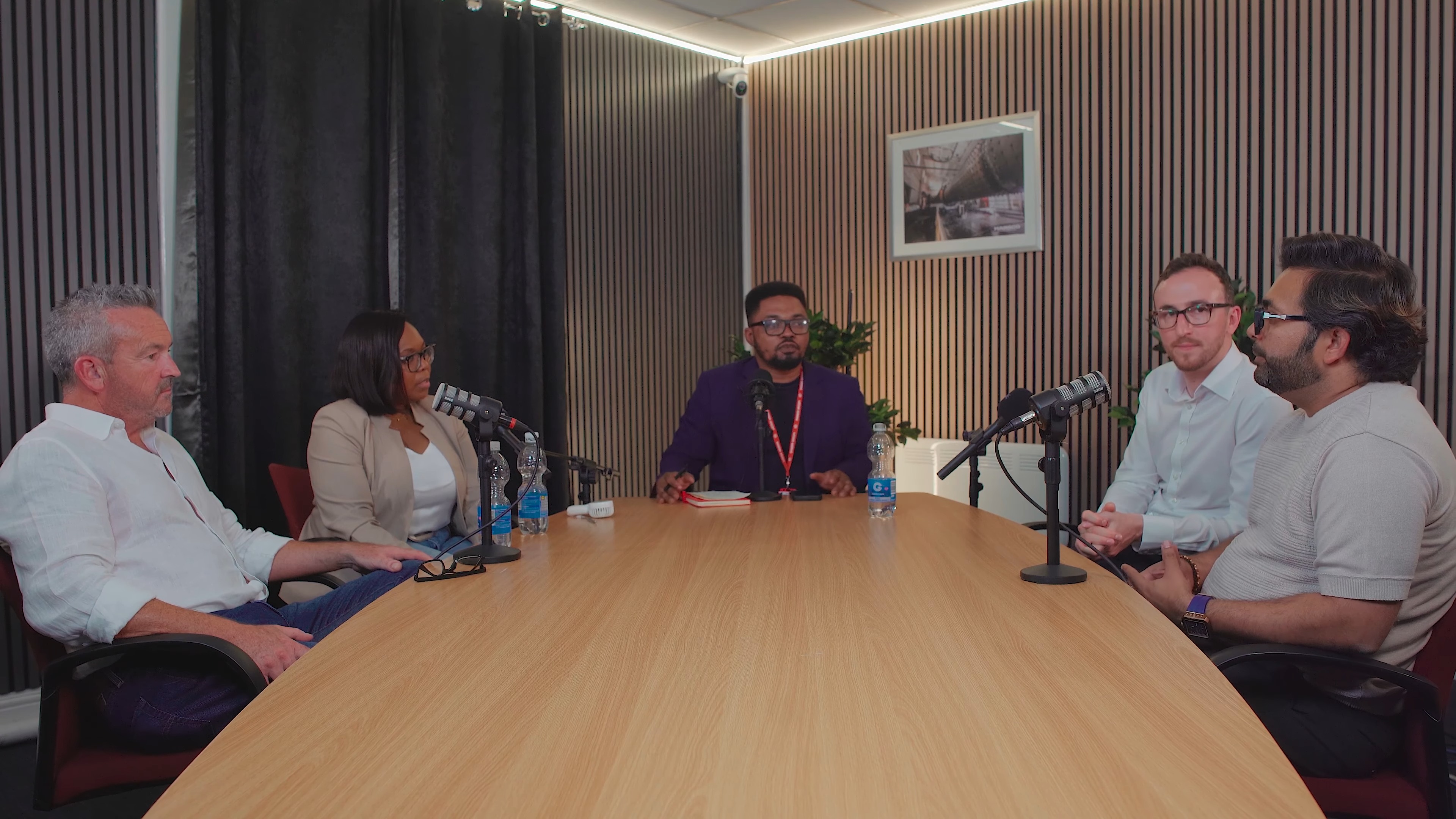
Anyone can wake up tomorrow and call themselves a life coach. That was the provocation our host opened with, and it led to one of the most thoughtful and personal conversations we have had on The Legacy Bench. Four professionals from very different backgrounds sat down to ask whether the booming wellness industry needs regulation, and what really makes someone safe to trust with your wellbeing.
It is a conversation full of warmth, disagreement and real stories, from grief and illness to the moment one guest realised he was "a raving empath".
On the bench
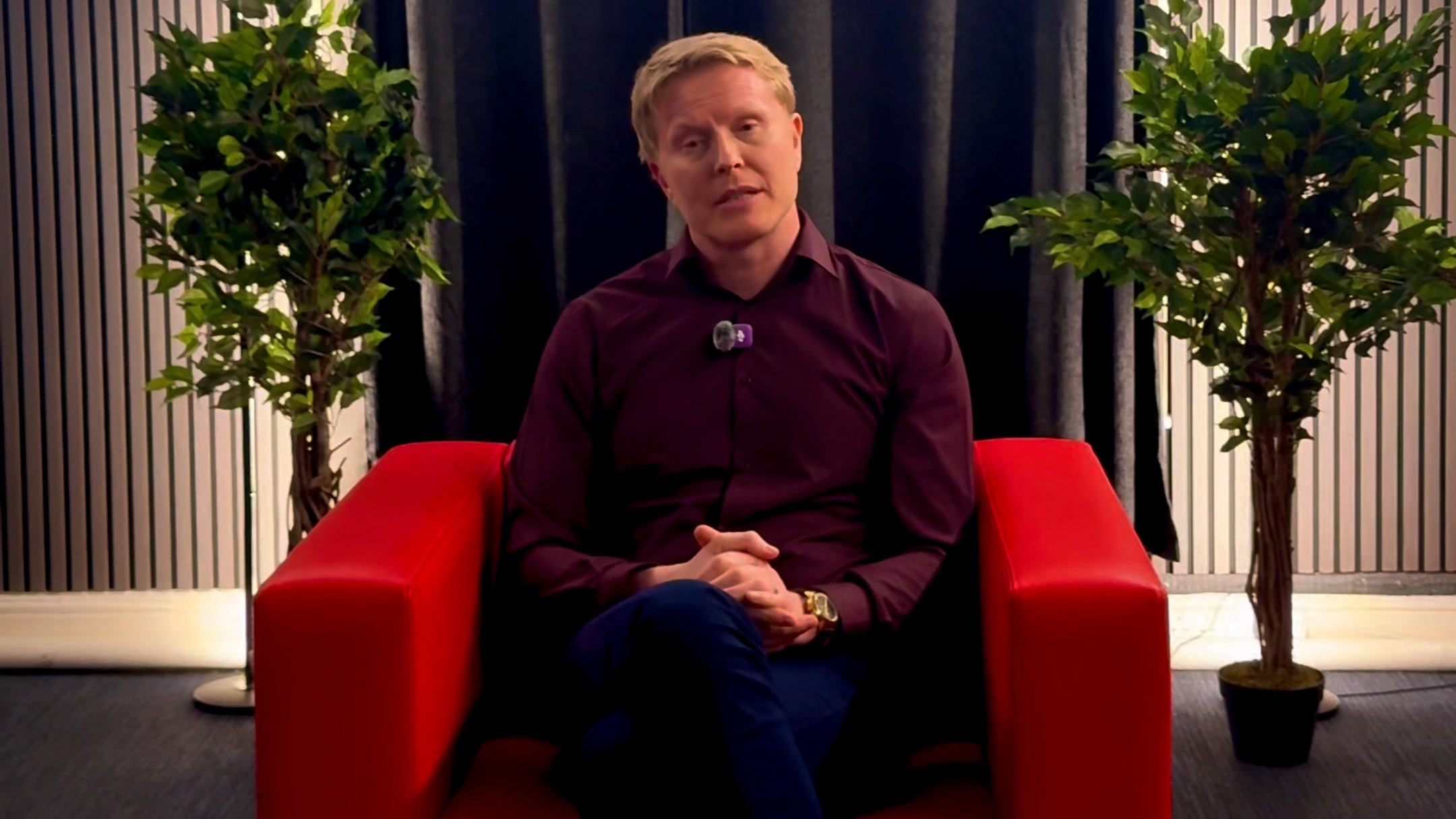
James Ediker, director of Light Bulb Thinking, a wellness and executive coaching business, and an advocate for men's mental health.
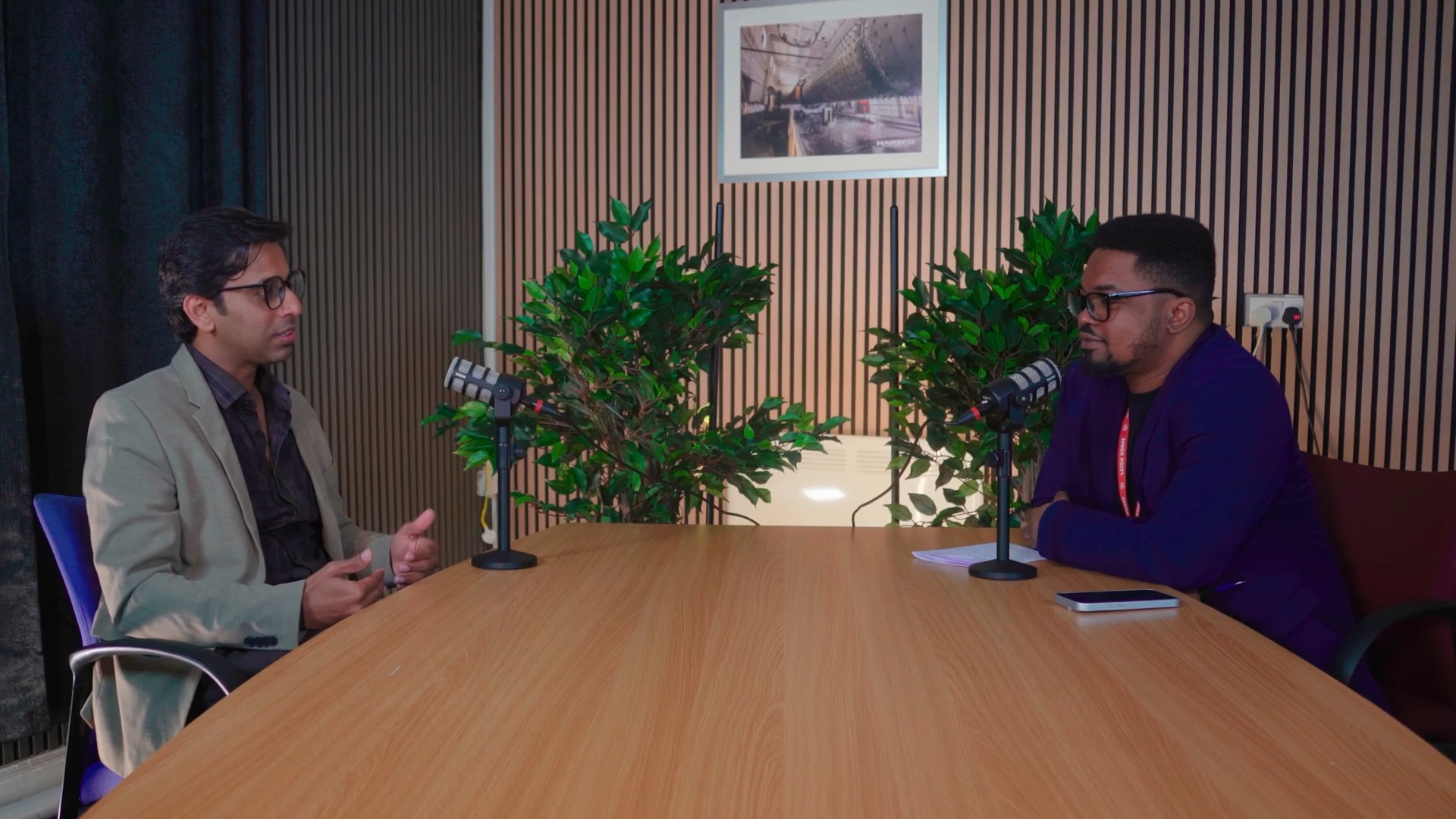
Pratiq Jaani, author and creator of The Trusty Method, which guides people from what he calls the "conditioned self" to the "real self".
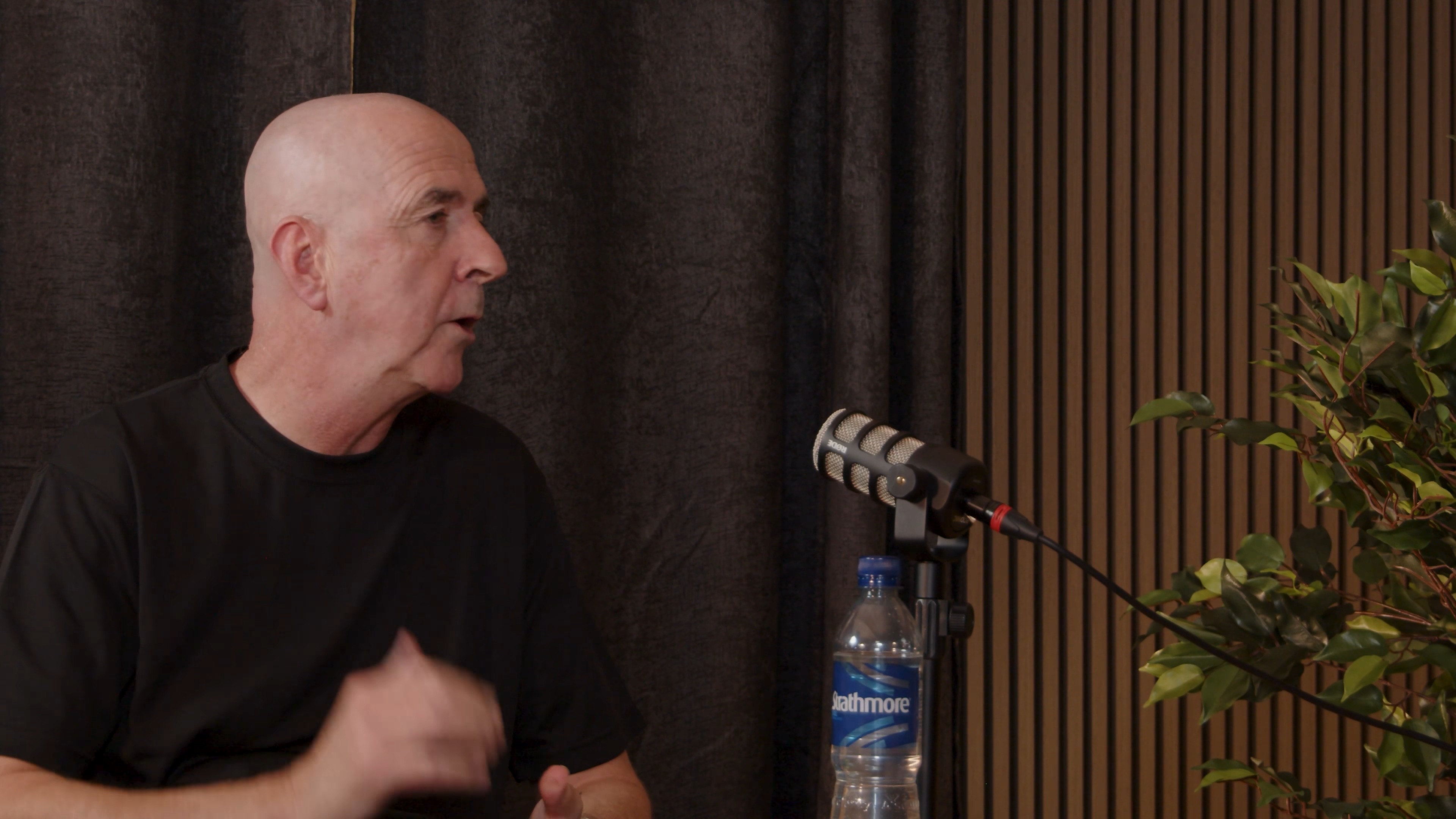
Joe Loney, a life guide, author and presence practitioner who helps people overcome "the modern addiction that is overthinking". He also runs Tranquility Space and has recently become an independent celebrant.
Sophia Peart, a senior manager in the NHS, ordained minister and pastor, and transformational life coach who supports women around identity, purpose and faith.
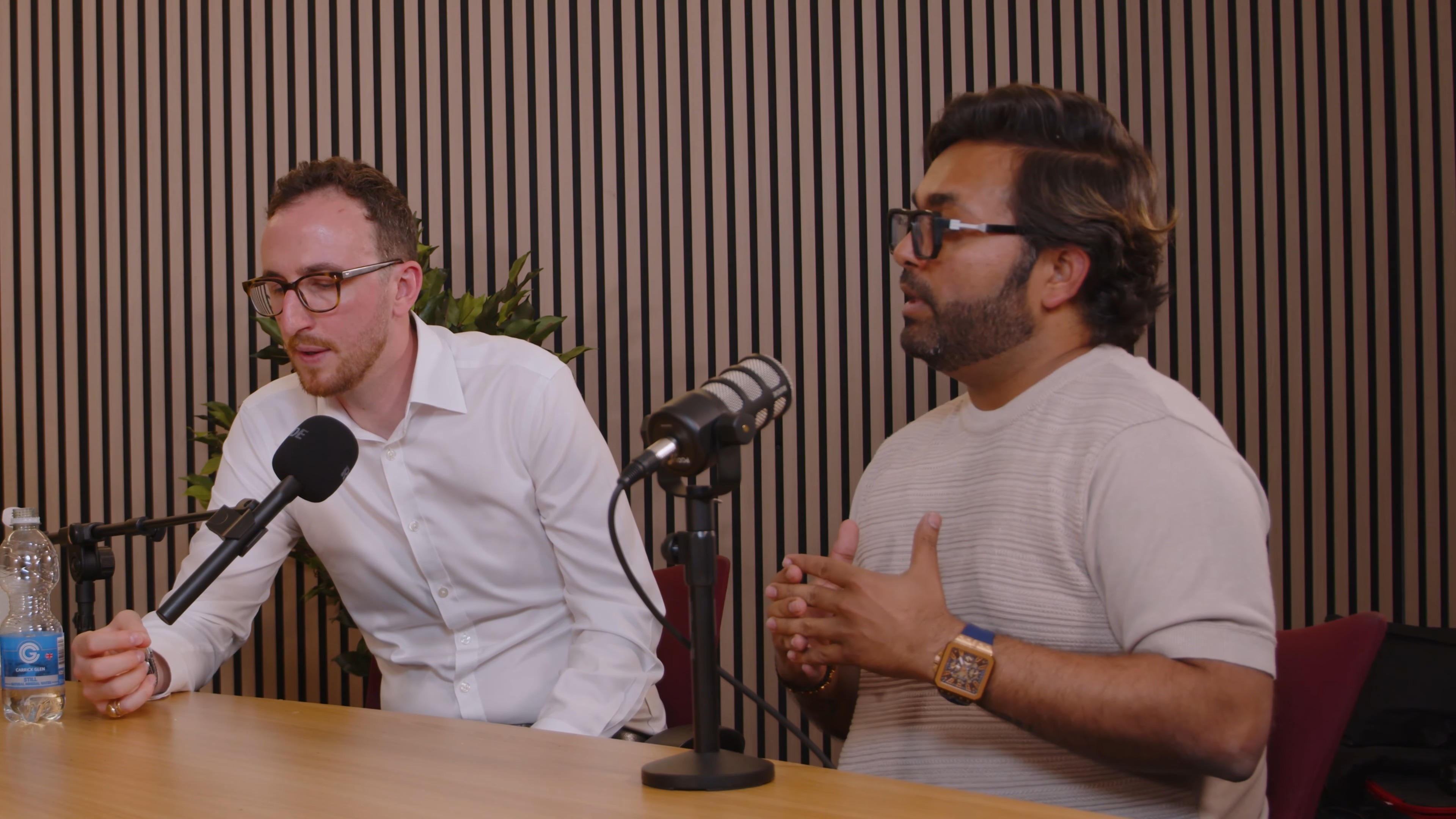
Can anyone call themselves a coach?
James was the first to agree that it is "a totally unregulated market". Everyone can help someone through their own wisdom and experience, he said, "but I think when you're going into a field, you probably do need the correct training and support."
Sophia spoke about personal integrity. She left a 12-year career to train at master's level in theology, also studied pastoral care and counselling, and is an accredited coach. "If I'm going to impact someone's life, that I'm doing so in a safe way," she said. Her training also helps her know when sharing her own experience will help someone, and when it won't.
Pratiq offered a different view: "Whoever was the first doctor didn't have any degree." Knowledge builds over generations, he argued, and because personal growth is such an individual journey, "practically it would be really hard to bring regulations to it." His advice to clients is to act only on what truly resonates with them. Our host pushed back, pointing out that standards exist precisely because professionals owe a duty of care.
Qualifications or lived experience?
Joe drew on his 25 years in the building industry, where every trade has its accreditation, but said much still comes down to the individual. He shared that he was diagnosed with cancer two years ago, and has often been told by people to simply "let it go". "Let it go is a lovely term," he said, "but you need to develop. How do I get to that point of letting go?"
Sophia gave the most moving moment of the episode. When her father died, she was pastoring a church, and over the following year she received calls almost every day to say someone in her community had passed away. Her members asked for her, she said, because she now understood their pain. "The depth of empathy that I could then have and the compassion that I could show was only informed by my own experience. No book could ever teach me that."
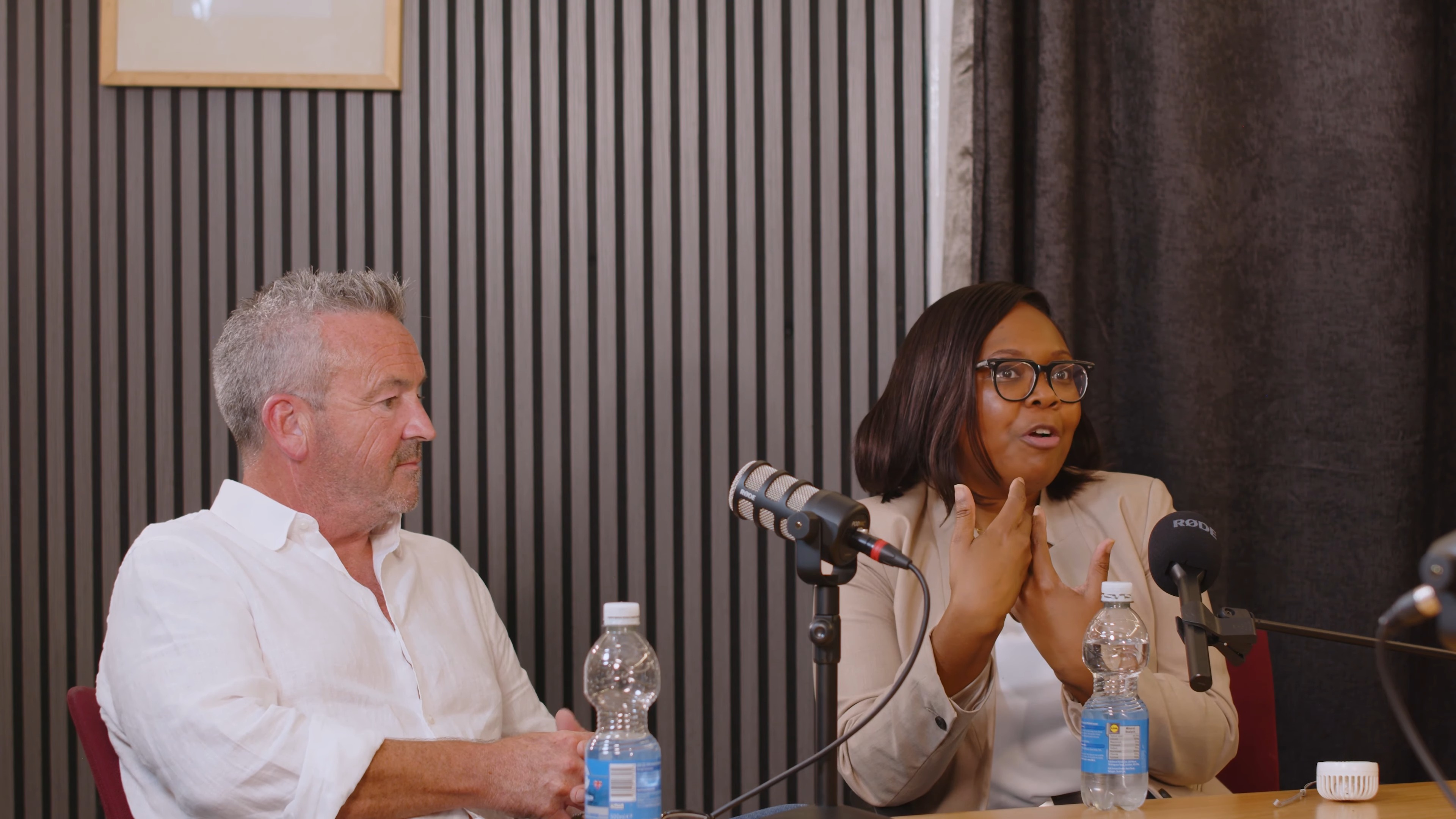
The conditioned self and the real self
Pratiq explained the journey behind his method, which began in 2017 when he was diagnosed with tuberculosis. Trained in rapid transformational therapy, he came to see that much of what we call ourselves is learned. "It's not the external event," he said. "It's what meaning we attach to that event."
Joe agreed: "We can't change what happened to us. What we can change is our identification with the thoughts." Sophia related it to her own faith and a verse that shapes her work: "Be ye transformed by the renewal of your mind."
Joe also described a moment that changed how he understood himself. During a Zoom call, someone told him, "You are a raving empath." It explained why strangers so often share their life stories with him within seconds. The key, he said, is "to listen with intent".
Who supports the people helping everyone else?
Our host asked a question many people wonder about: where does the healer find healing? Sophia was open that for a number of years she saw a therapist, sometimes weekly, as she worked through her own story, alongside prayer and stillness. It was a powerful reminder that seeking support is part of doing this work well.
Mental health at work
James saw a big shift in workplaces after COVID, with leaders more aware of emotional intelligence and wellbeing. "It's about creating a culture, and that culture does come from leadership," he said. His simplest advice was about the everyday "you all right?" at work: "You should be able to stand there and listen to that person."
The panel agreed that listening may be the most valuable thing any of us can offer. "The greatest gift we can give anybody is to sit with them and just listen."
Pratiq, who has worked as a business consultant and accountant for 20 years, has seen stressed staff leave employers to go freelance, and has designed a one-day workshop for senior leaders.
Can AI listen too?
On AI, Sophia warned against letting it replace real connection: "If I'm having a bad day with my boyfriend, pick up the phone and talk to your girlfriends." Pratiq takes a more positive view. AI is "only as good as the questions you're asking," he said, and what struck him most was that "it never judged me". As he put it, it is like a knife: it depends how you use it.
The takeaway
There was no simple yes or no on regulation, but there was strong agreement on what matters: proper training, honesty about where you are in your journey, a good relationship between coach and client, and doing your research before you trust someone. As Joe put it to anyone looking for support, "do a little bit of research". And if you are facing burnout, the panel's advice was to talk to someone and avoid big decisions while you rest.
Do you think life coaches should be regulated? Watch the full episode and tell us in the comments.