
Entrepreneurship & Growth
Four Lawyers on AI, Legal Fees and the Future of Law
9 November 2026 · 4 min read
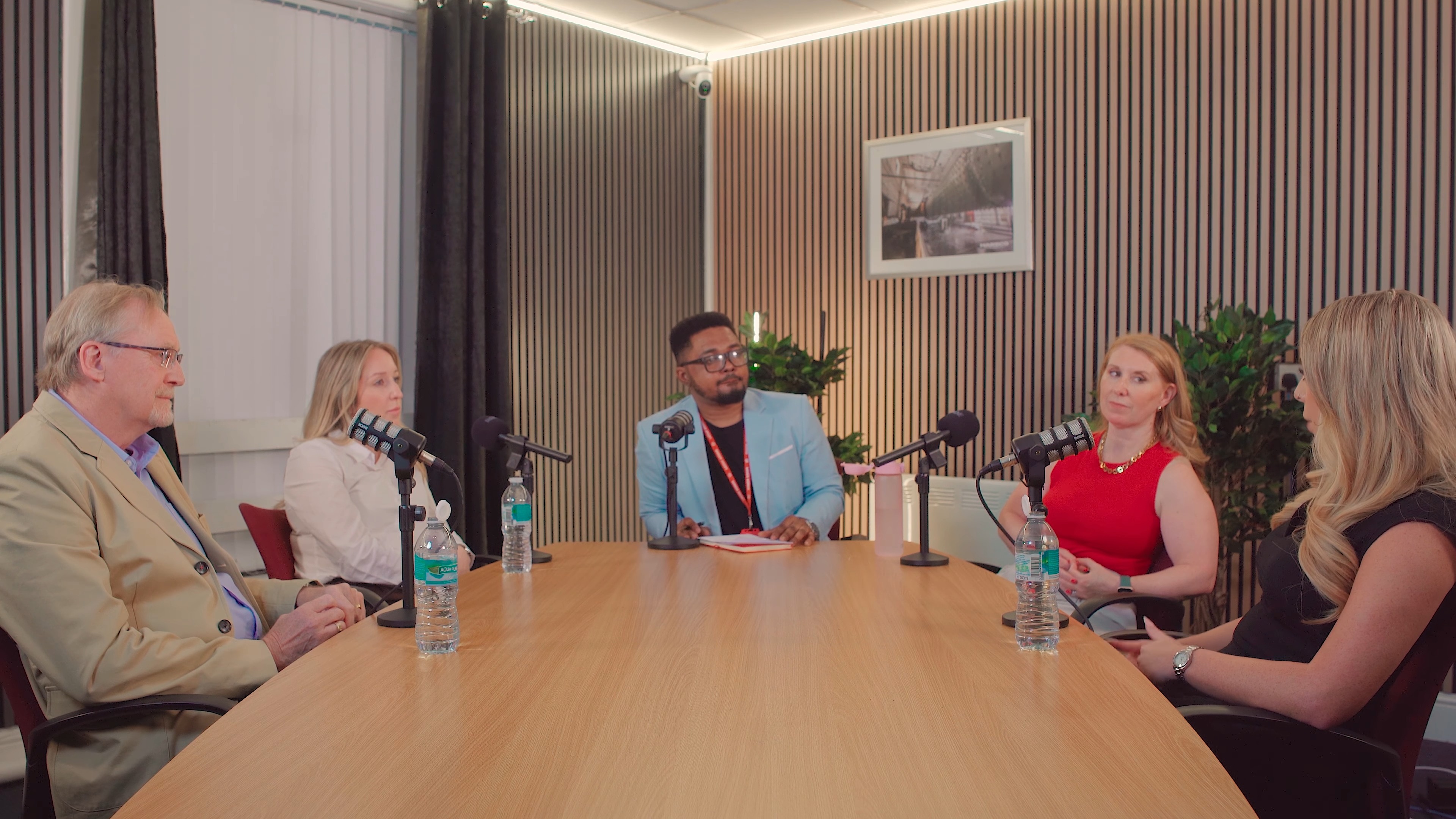
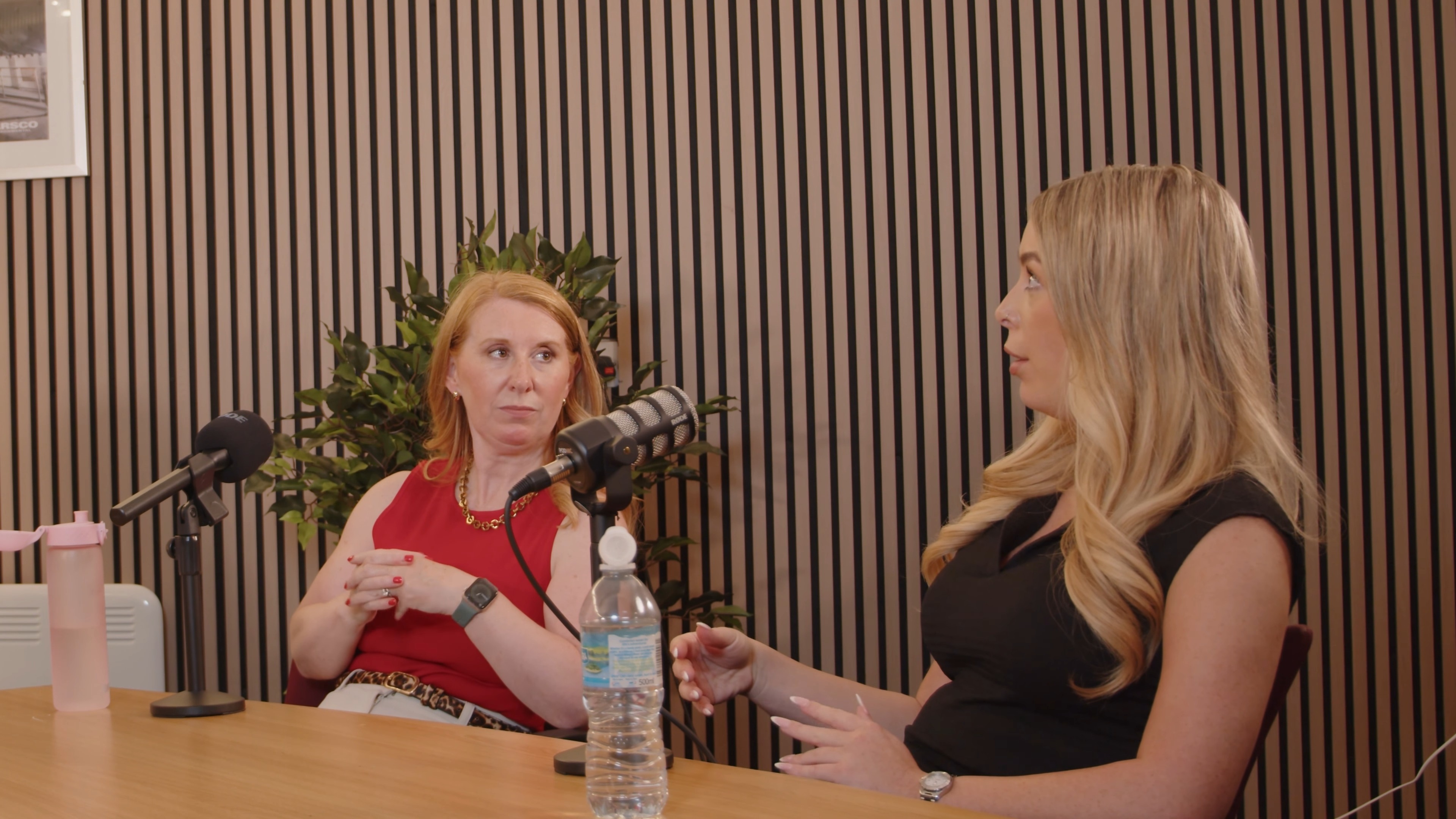
More people than ever are asking ChatGPT for legal advice before they speak to a solicitor. Some are even taking it to court. So what does that mean for the legal profession? Our host brought together four Manchester lawyers from very different corners of the law to talk about AI, fees, specialisation and what it really takes to become a lawyer today.
The result is a warm, candid and surprisingly funny conversation. Between them, the panel has decades of experience, and they were refreshingly open about both the promise and the pitfalls of the tools now arriving on their desks.
On the bench
Sky Langwieser, a solicitor at Hall Brown Family Law in Manchester, specialising in divorce, financial remedies, children matters and prenuptial agreements.
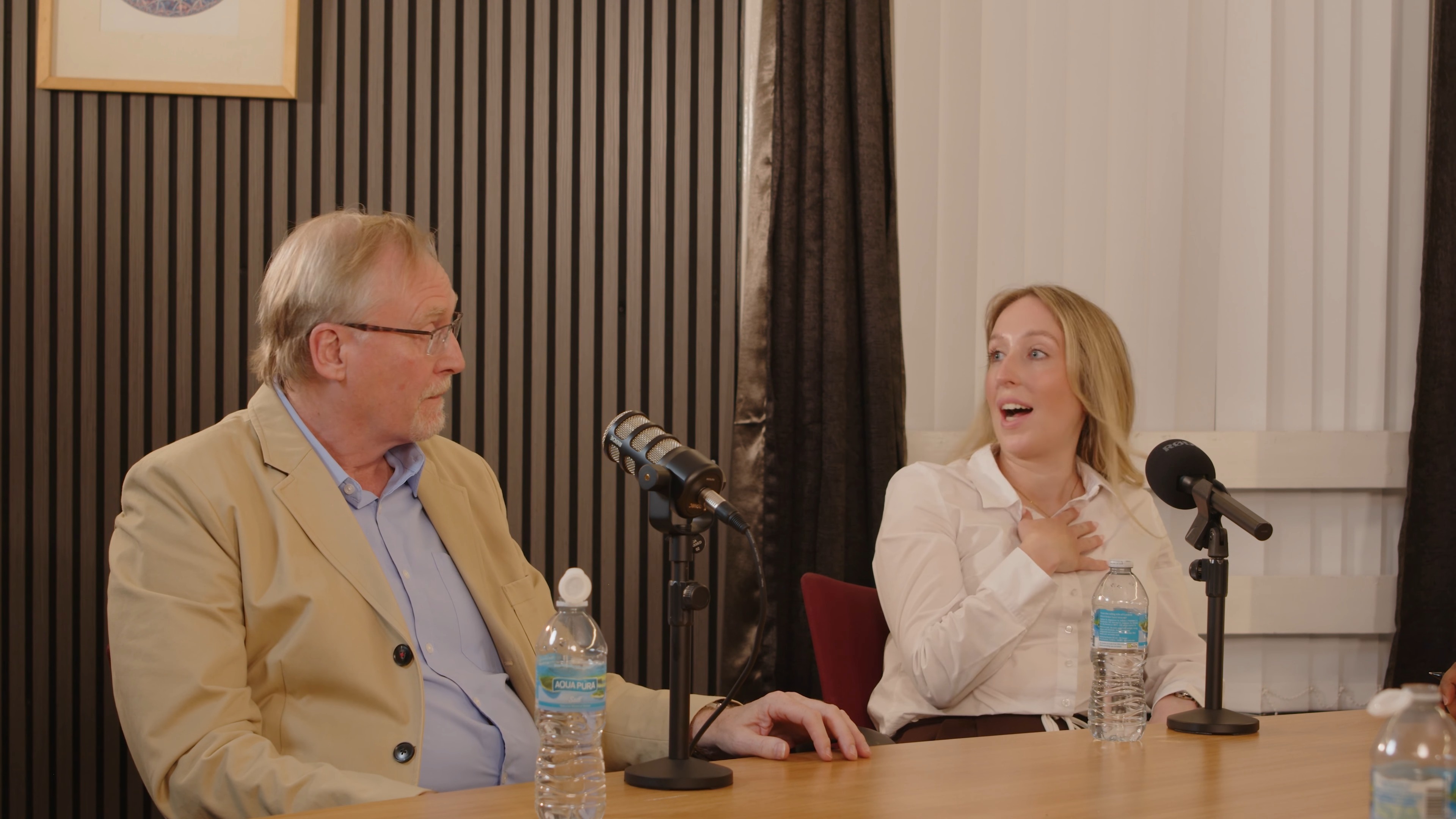
Trevor Ward, head of the Birth Injury and Maternity Unit at Fletchers Solicitors, who has worked in law for 42 years.
Rebecca Kelly, a partner at gunnercooke and a data, tech and commercial lawyer of more than 20 years, who has also founded a platform to help small businesses access affordable legal documents.
Cori McKeown, a senior associate solicitor at Rothley Law specialising in disputed wills and trusts, and a member of the Manchester Young Lawyers Committee.
Can you trust AI for legal advice?
Sky set the tone for family law: "It's a very emotionally driven area of law, and it's very discretionary. There's no black and white answer." AI can help with research and drafting, she said, "but I don't think AI could ever replace the sort of personal connections that are required in family law."
Cori sees the effect in disputes when people represent themselves using AI. It can help them pull something together, but it often gets court procedure wrong, which can add cost for everyone. Rebecca described how a dispute put into a chatbot can come back with "literally reams and reams" of arguments, many irrelevant and some simply invented. "The hallucinations that AI can generate are really quite surprising," she said.
"Terrifyingly good", but you still need the expertise
Rebecca gave one of the most striking examples of the episode. Using a legal AI tool, she asked it to summarise around 20 US federal and state references in a contract and explain the impact on her client. It took two minutes, and after her review the advice was ready in half an hour. "If I'd have got a trainee to do that, it would have taken them two weeks," she said. "It's terrifyingly good."
But the same tool told her she had agreed to unlimited liability on an indemnity, which she knew she hadn't. When she challenged it, it apologised. "You need that level of knowledge and expertise to know and call it on the things that are wrong," she said.
Trevor explained how Fletchers has invested in AI to speed up early case assessment, and Cori praised Copilot for summarising large bundles of documents. Even so, she is careful with junior colleagues: "You still need to develop them core skills as a lawyer."
Who is responsible when AI gets it wrong?
The panel were united on this one. "It's our name over the advice," said Cori. Trevor compared it to checking a trainee's work: "If your name's on that file, you take ownership of it." Rebecca, who has just completed a course with the London School of Economics on AI governance, added that the wider question of whether the provider or the user is responsible is still being worked out.
Sky raised a worrying trend: messages altered with AI turning up as evidence, and sensitive witness statements being pasted into public tools. "I don't think people always realise," she said.
Why lawyers specialise
Trevor remembers being thrown in at the deep end when he qualified, doing crime in the morning and family work in the afternoon. Over time he narrowed his focus to birth injury and maternity claims. "The more you do in that sort of specialty, the better you get."
Rebecca described how she became a specialist for software resellers and developers, covering data protection, IP and AI in one place. Cori explained that wills and trusts disputes are now often a department of their own, and you can quickly tell when the other side doesn't usually do this work. Her favourite example of why AI struggles: in a will dispute, "really they want the photograph in the attic."
Most cases never reach trial
Ask people what lawyers do and they'll say argue. Sky pointed to the push towards resolving disputes outside court, through mediation and arbitration, especially with family court backlogs. Trevor estimated that well under 1% of cases in his work reach trial. "If you did turn up at court, you might as well toss a coin," he joked of the old days.
Rebecca summed up her approach to contracts: "I want that contract to go into a bottom drawer and never see the light of day again." When our host asked whether disputes are really about billable hours, Cori said it is more about each litigator's style, and Rebecca stressed transparency: "The days are gone where you just got the clock running."
Degree or apprenticeship?
This was the most personal part of the conversation. Sky turned down a place at university for a legal apprenticeship, worked her way through CILEx qualifications with employer support, and later qualified as a solicitor. "The apprenticeships are so much more evolved than they even were 10 years ago," she said.
Rebecca, the first in her family to go to university, qualified at 24 but questioned today's costs: "Do we really need it to be three years?" Trevor reflected on how different it was when his local authority paid for his degree.
The takeaway
AI is already speeding up legal work in impressive ways, but every lawyer on this bench agreed that judgement, empathy and accountability remain human jobs. Use the tools, check everything, specialise, and remember that most disputes are best solved before they reach a courtroom.
Would you trust AI with a serious legal problem, or would you still want a lawyer? Watch the full episode and tell us in the comments.