
Entrepreneurship & Growth
Do We Still Need Developers? Four Tech Experts on AI, Junior Jobs and Who Fixes the Mess
9 November 2026 · 5 min read
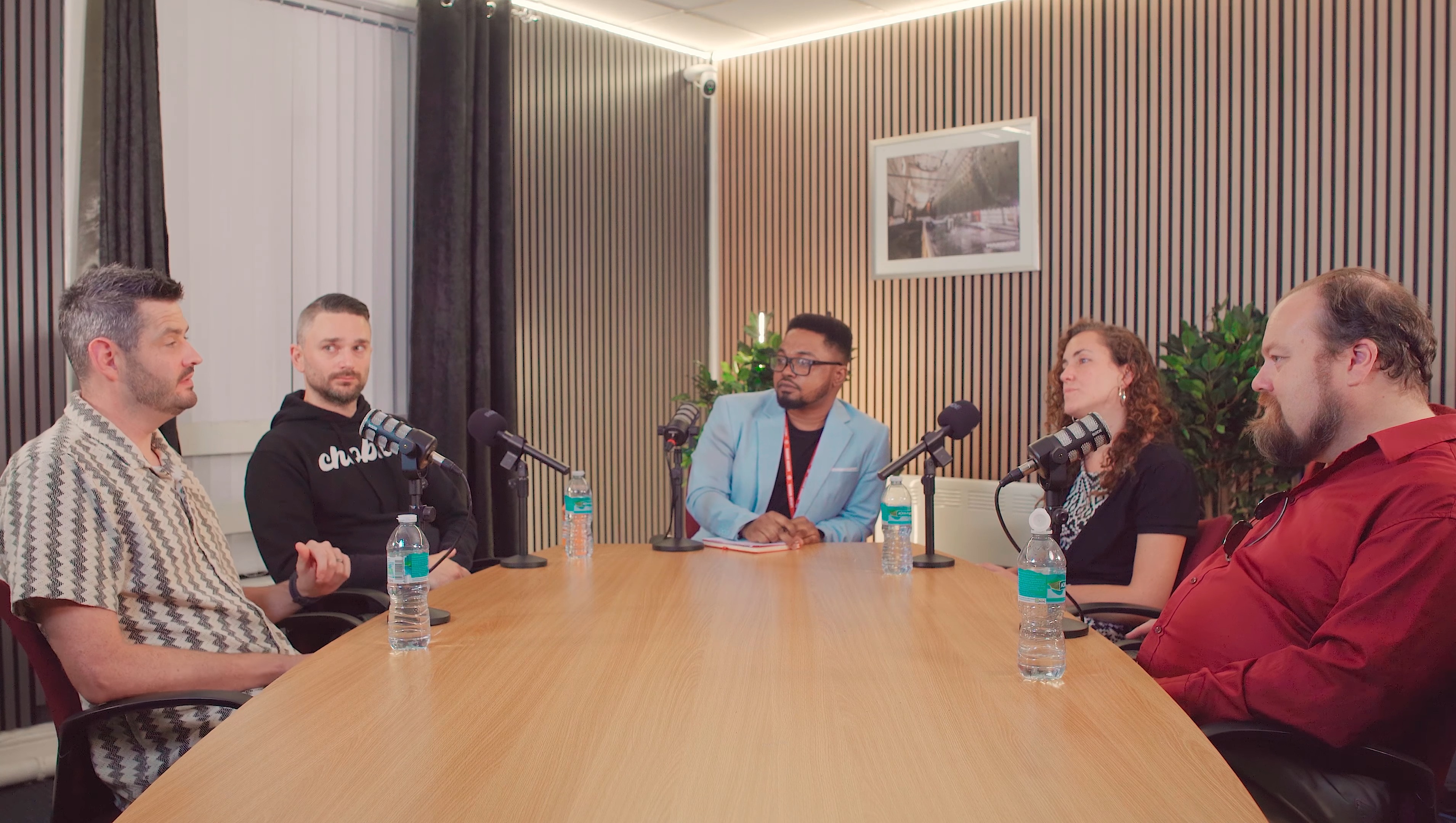
AI can write code, build a website and answer a technical question in seconds. So does anyone still need developers? Our host put that question to four people who work in technology every day, and the answer was far more interesting than a simple yes or no.
Between them, the panel brought around 100 years of experience to the table, as our host put it at the end. What makes the episode stand out is how practical it is. These are people who are being called in to fix AI-built projects, who are changing how they price their work, and who have clear advice for anyone thinking about a career in tech.
On the bench
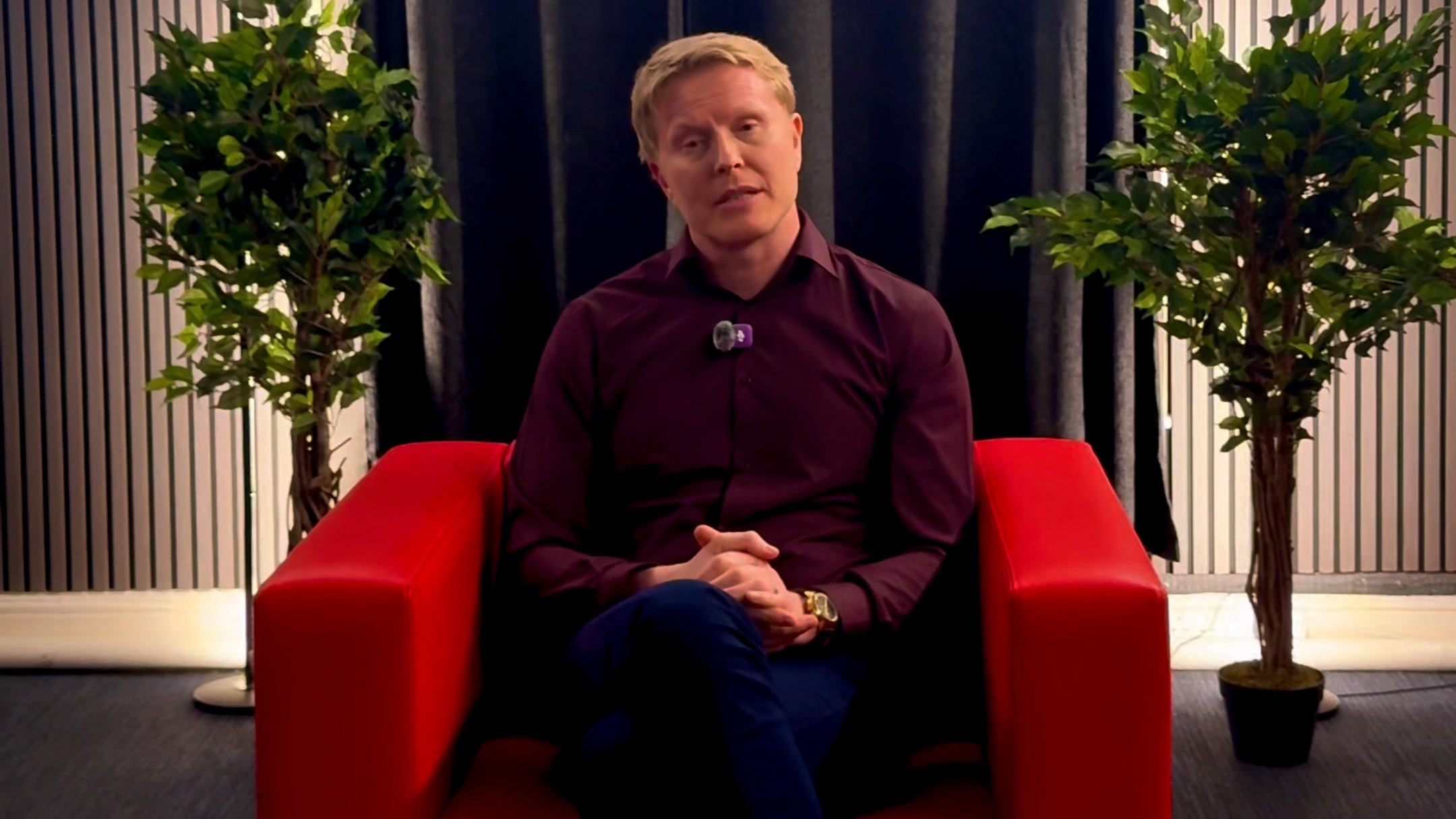
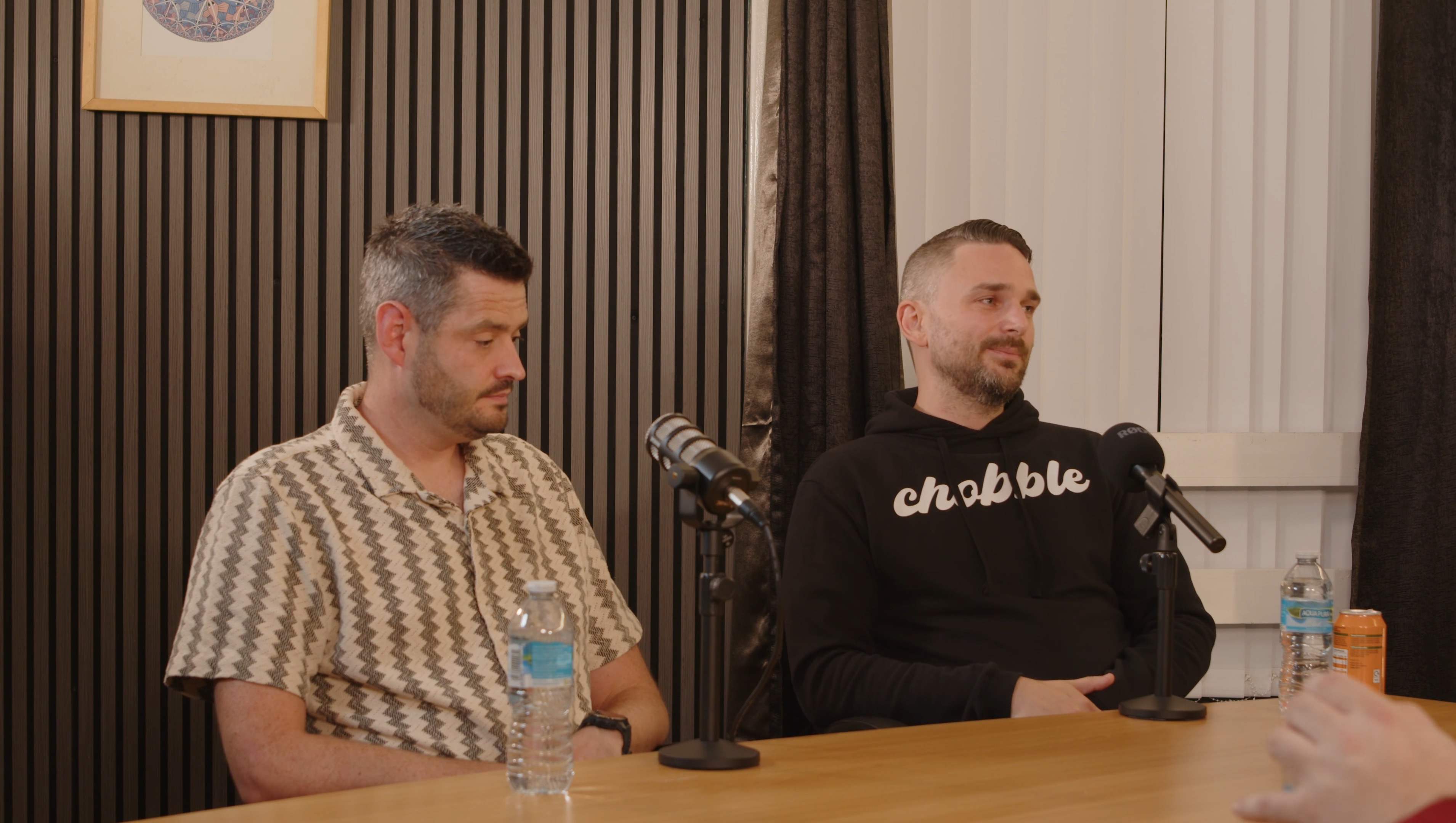
Daniel Wigley, co-founder of Fabric Analytics, a specialist data analytics and measurement company, with around 20 years in the industry.
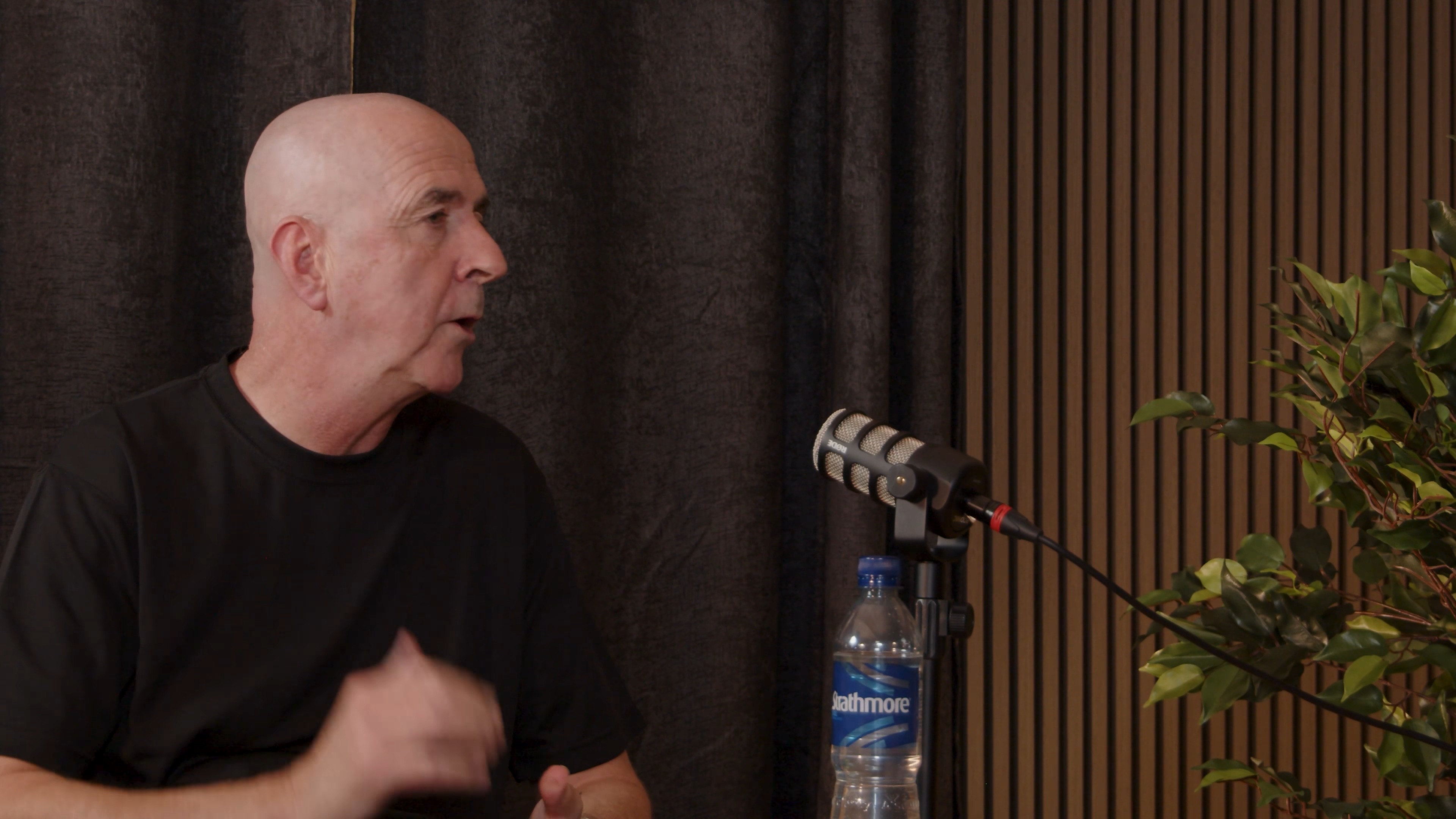
Stefan Burke, a software programmer of around 20 years from Chobble, a Manchester community interest company for software and web development. He has been freelancing for the last two years.
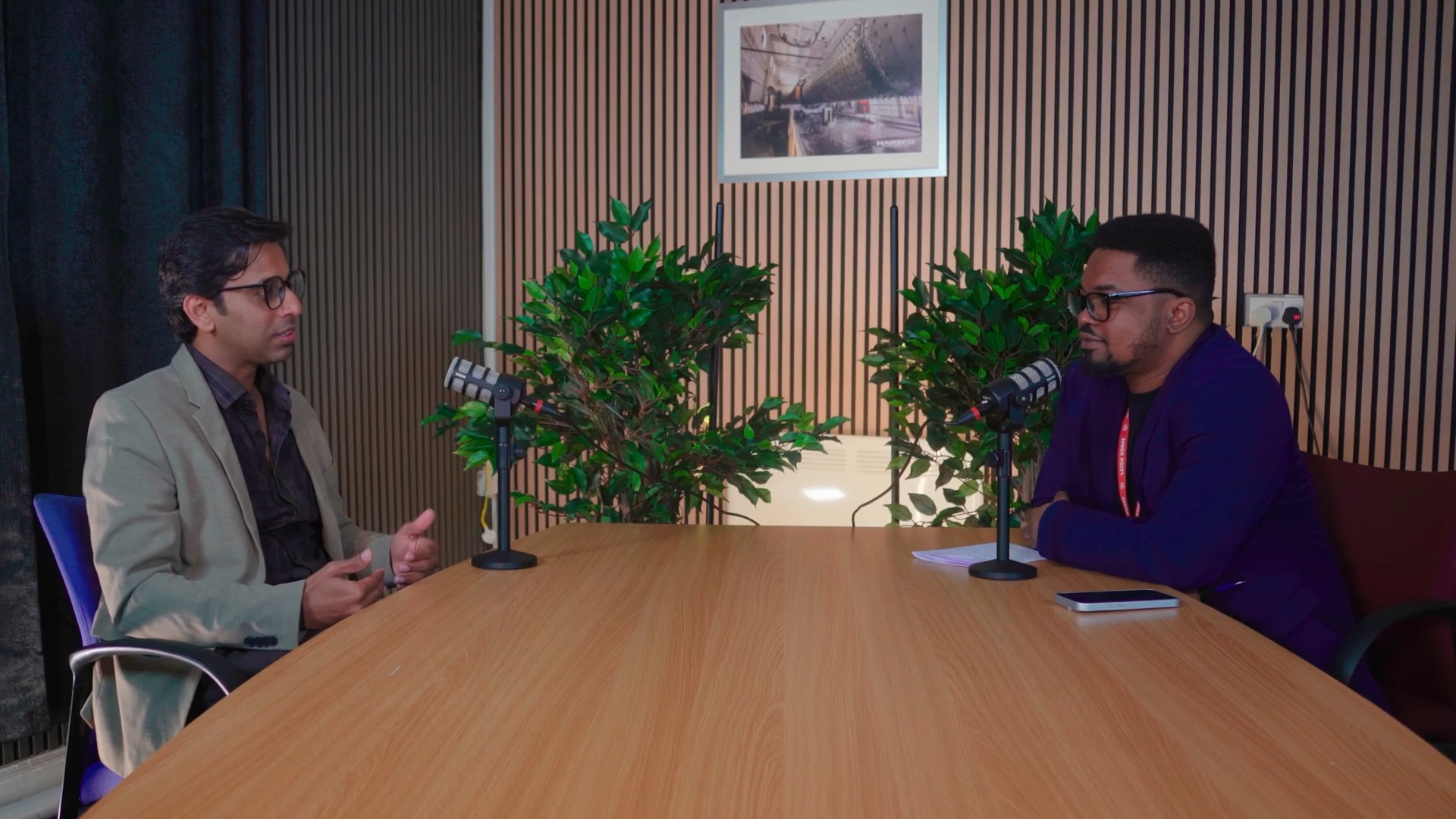
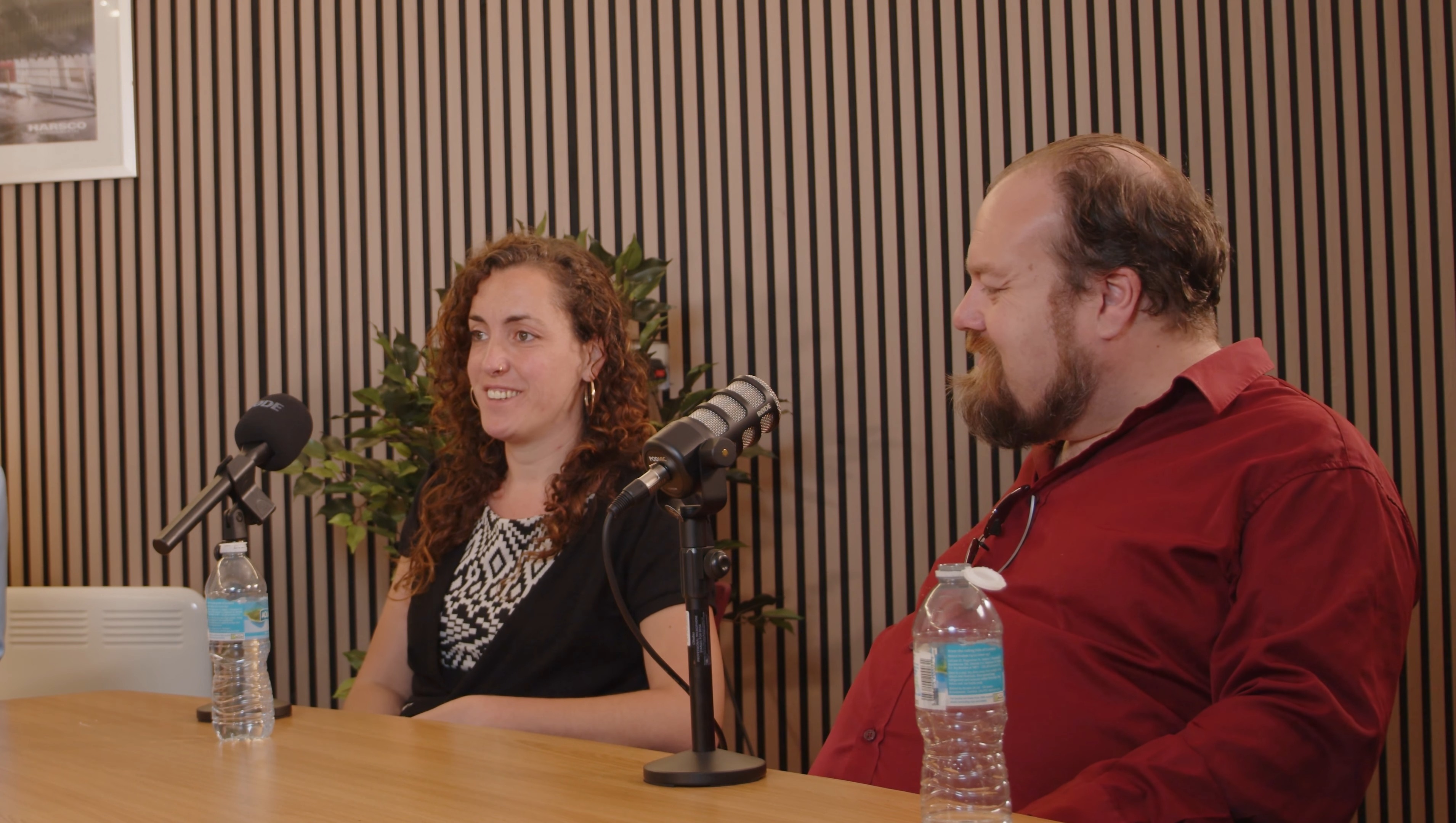
Paula Mesa Macías, who runs Pau Company, a consultancy that helps organisations use technology effectively and stay compliant, with a focus on privacy, cybersecurity and the environmental impact of IT.
John Smithe, founder of Basement in the Sky, a digital transformation consultancy for small businesses, startups and nonprofits, founded in 2021.
Who is actually making money from AI?
Our host opened with the huge sums being raised by AI companies, and asked what all that money is for. John offered a sobering comparison with the dotcom era. "Nobody's figured out how to make that money yet," he said. "Nobody's yet come out with the AI equivalent of Google or Facebook where they actually worked out how to monetise it." For now, in his words, "we've got a whole bunch of Napsters."
Daniel suggested where it might go next: transactions inside AI tools themselves, cutting out the consumer-facing website entirely. The panel also raised the Uber model, where low prices come first and higher prices follow once everyone relies on the service.
Can you trust an AI-built website?
This was where the panel's real-world experience showed. John said his team has had "three or four clients" bring them in to fix websites built on AI platforms, often by someone without a technical background. "There's an awful lot going on in the back end... that it doesn't document and doesn't tell you about," he said, "and then you've got a website with a ton of security vulnerabilities."
Stefan described a customer who thought they were half an hour away from launch after planning a site with an AI assistant, when the whole infrastructure still needed thinking through. If they hadn't called him, he said, the result "could have been disastrous."
Paula took a more encouraging view. She is happy for organisations to experiment, because it helps them understand what they need. "People are really scared of using technology and this is a real problem," she said. What they need is an expert who tells them "that's fine what you did, or it's not fine, but change this."
The squeeze on junior developers
Daniel was candid about the impact on entry-level work. "I really see it hurting the entry level market," he said, whether in software development, admin or any learn-on-the-job role. Even if a junior gets the job, he wondered how they would resist pressing the button for AI with a boss wanting the work done quickly.
The panel then asked the question that hangs over the whole industry: if companies stop hiring juniors now, who becomes the senior developers in ten years' time?
Daniel's answer was that developers need more than code. "I don't think devs are built like that anymore," he said of the stereotype of the developer in the corner. Social skills and client relationships matter more than ever. For businesses, he argued for clear frameworks rather than simply telling staff to "use AI", pointing out that audits which once took his team four to six days can now take two hours.
University, apprenticeships or self-taught?
Interestingly, almost nobody on the bench works in the field they studied. Paula, who studied telecommunications engineering, said her degree still helps: "When I say that I'm an engineer... most women who are working in the tech industry are not in technical roles." Her bigger message was to experiment: "What is most important is to experiment even before getting an apprenticeship."
Daniel was clear about what he would do today: "If I was 16 now, I would go into a data or technology or kind of AI apprenticeship straight away." Stefan added a reminder that coding has to create value: "You've also got to think about the value your coding brings."
Startups, equity and doing it your way
Daniel shared the reality behind building Fabric Analytics, now around 20 to 25 staff. "We took no money for six months," he said, and the first three to six months were the toughest. John described working for equity on an AI startup, building the infrastructure so it can scale. Stefan funds his projects from his own savings and has no wish for investors: "They would then be telling me what to do." Paula spoke warmly about cooperatives as another route for graduates, where people help each other using what they know.
Security and the human factor
On cybersecurity, Paula described a project with Manchester Metropolitan University to help small organisations detect cyber attacks by sharing insights without sharing their data. John reminded everyone where the real weak spot is: "The biggest attack surface that any organisation has... It's always the people." He described a phishing email that looked almost identical to one from HMRC, with a single character swapped.
The takeaway
AI is changing the work, but it has not removed the need for people who understand it. The panel's message was consistent: experiment, but get an expert to check. Build skills beyond code. And above all, as Daniel put it, "go to events, make connections." John even had a practical tip for newcomers: get some business cards printed and go to a free industry event like DTX Manchester.
If you were 18 today, would you still choose a career in tech? Watch the full episode and tell us in the comments.