
Entrepreneurship & Growth
Scammed Out of £1 Million, Still Building: Four Stories of Representation, Resilience and Starting Again
7 May 2026 · 4 min read
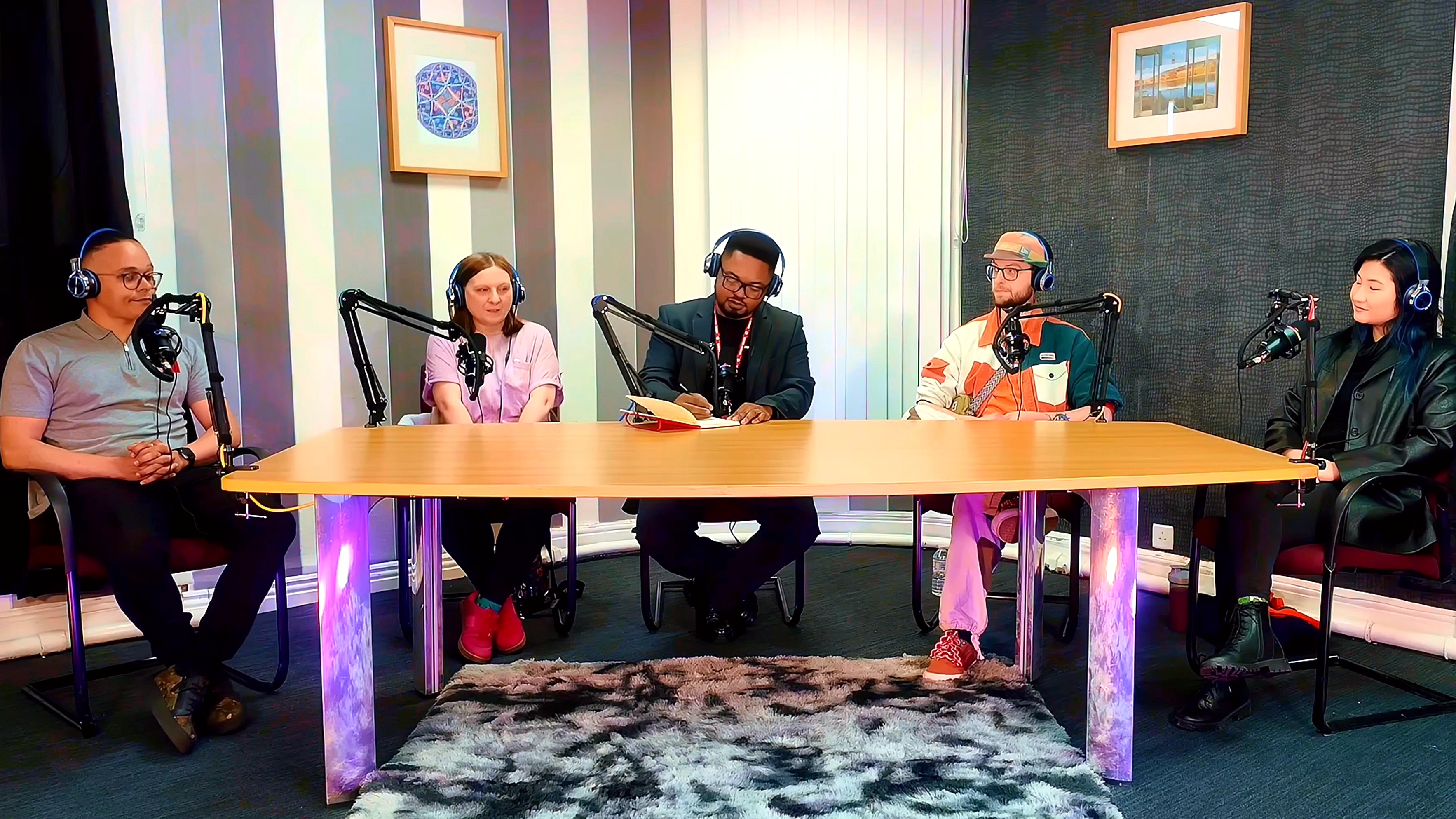
This episode of The Legacy Bench brought together four people building and rebuilding in very different ways: actor and model Amy Chung, photographer and filmmaker Joe Engledew, blogger and podcaster Amanda Nicholson, and Macauley Lynch, founder of Sustainable Compute Network, who told the bench how his first start-up lost hundreds of thousands of pounds. Hosted by Princely, each guest shared their story, and the bench responded with appreciation, support and practical next steps.
Amy Chung: more room for British-born Chinese actors
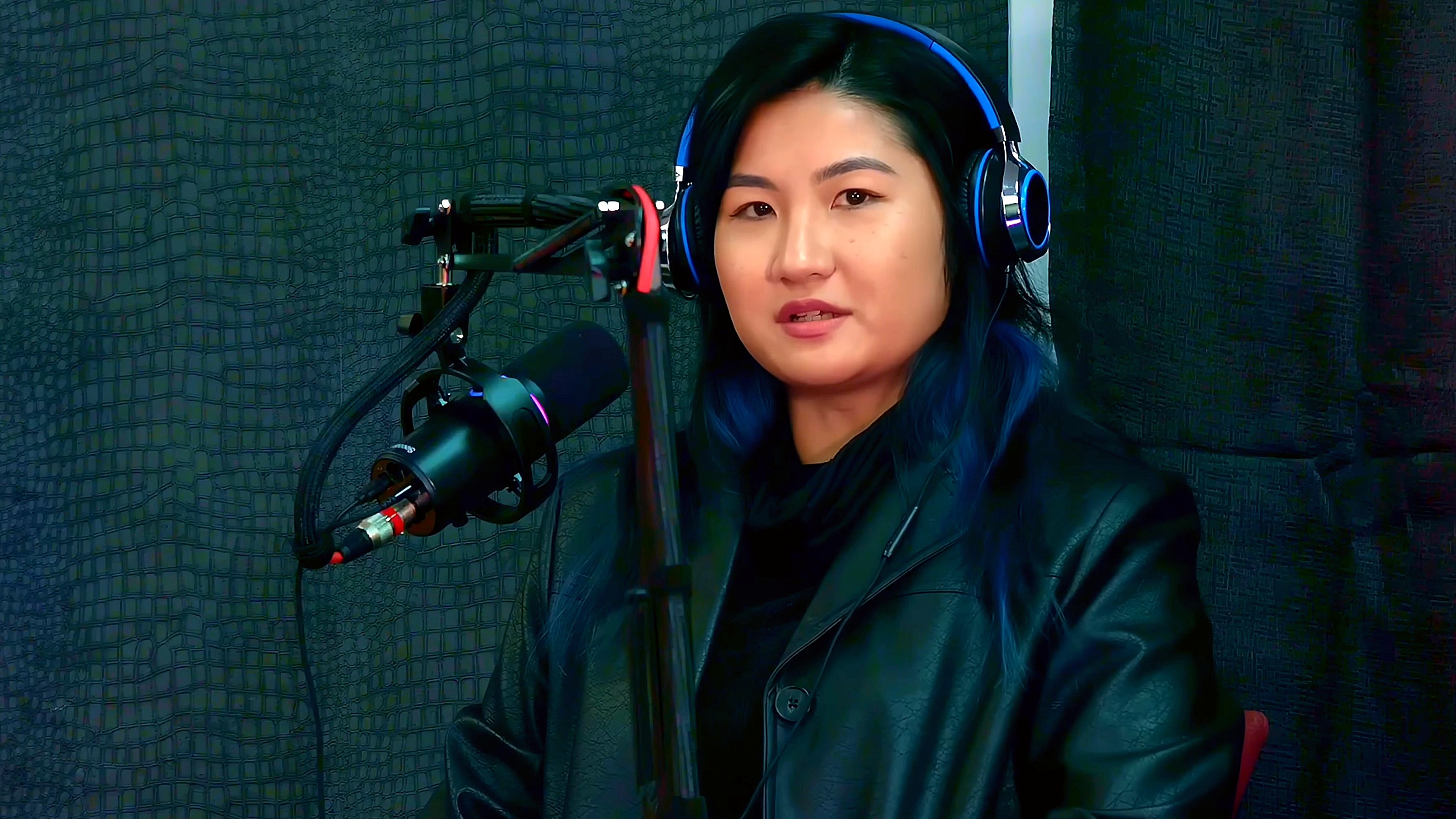
Amy is a British-born Chinese actor and model from Wales, from a working-class background. She has worked in theatre, TV and adverts, including a recent role in Casualty. Her challenge is representation. She is thrilled to see American-born Chinese actors thriving, but has gone for auditions seeking UK-based Asian actors that then asked for an American accent. "When have you last seen a Chinese person with a UK accent in a soap opera?" she asked.
High-level training, voice reels and marketing all cost money, and she admitted she is not naturally social-media savvy. Joe, who has faced the same working-class barriers in film, told her so much of the industry is momentum and perseverance, and that many great directors did not make their first film until their 50s or 60s. Amanda pointed her to organisations that run calls for under-represented groups, and Princely encouraged her to build awareness online, noting that producers now find talent on TikTok. "Go where there's no road," he said, "and leave a road."
Joe Engledew: finding a path in film and photography
Joe studied film production at the University of Lincoln, but COVID turned practical work into essays. He has taken photos since he was a child, and his camera has taken him to gigs, backstage and to Formula 1, and through three months in South America. To fill the gaps he has worked in hospitality, catering, sales and driving, and he now does live-in care work, which he finds fulfilling but knows he cannot do forever.
He shared a cautionary tale: a man who claimed to be a film producer offered him a job abroad, but after the pandemic cancelled it, Joe's research turned up serious red flags. "You're so desperate for that dream to come true that you're keen to just kind of take the first thing," he said. The bench had practical ideas. Amy suggested headshots for actors and dancers, plus family portraits, with loyalty discounts, and others pointed to music videos for up-and-coming artists in West Yorkshire and Manchester. The advice he heard most was simple: never quit, and fund the dream however you need to.
Amanda Nicholson: a free, safe space for late-identified autism
Amanda discovered last year that she is autistic and started a blog that grew into a podcast. Having been bullied at school without knowing why, she has had articles published by Stylist and the Daily Mail. She keeps her content free because, she said, a large share of autistic adults are out of work or underemployed, but that makes it hard to earn from it. Advertising or a book deal would mean reaching more people.
The bench offered to share her podcast, and Joe told her she is not alone, as his partner had just been through an assessment herself. "It doesn't change who you are," he said. Macauley, who has ADHD, thanked her for creating "a safe space and a platform".
Macauley Lynch: scammed, and still building
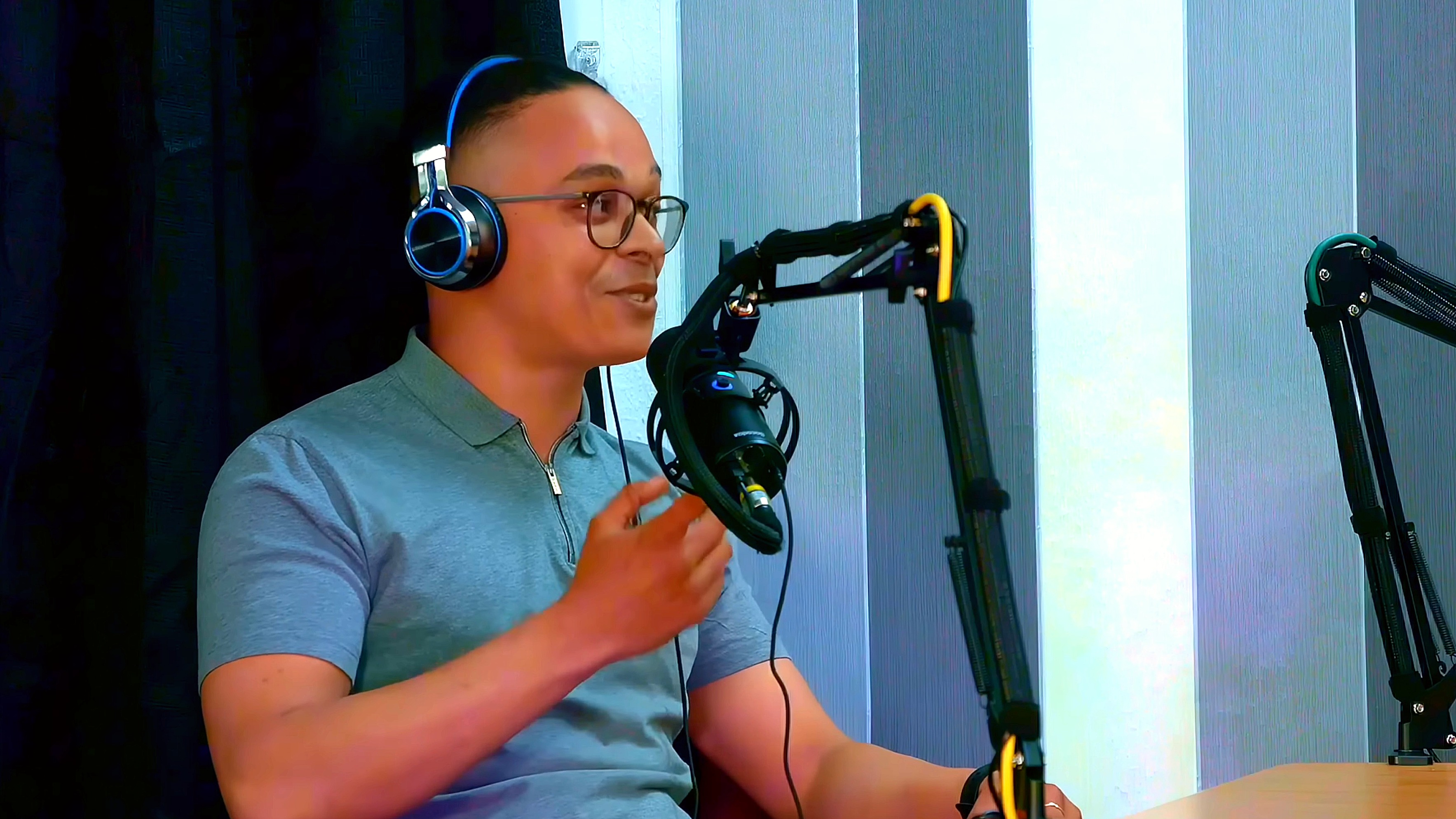
Macauley grew up one of seven children on a council estate. He lost his dad at 16 and his mum at 19, and spent his early twenties lost, until becoming a father gave him stability. He came up with a distributed computing app that would use phones charging overnight as tiny servers, and in 2020 his company secured a £2.1 million investment from a private investor. He gave away 55% of the company and stepped back into an advisory role while the people put in place to run it took over.
By 2022 the money was running out. The company had 30 staff and a monthly wage bill of more than £45,000, and even sold its purple-wrapped Rolls-Royce to cover wages. When he and the investors audited the finances, he said, they found the company around £800,000 down, which he believes was taken by the people running it. The investors have taken legal action; Macauley had to walk away and start again.
Princely, who has pitched to investors himself, warned about giving away control: "Once you've lost control of a company, it's done." But the bench was moved by how Macauley tells the story. "It makes me want to invest and it makes me want to trust the business," Joe said. Macauley's new venture, Sustainable Compute Network, refurbishes old computers through donatecomputers.uk, giving some to schools and using others to run AI more cheaply and with less energy. He is partnering with an education platform in Africa that serves around two million students.
The takeaway
If the road doesn't exist, build it for the people behind you.
Check people out before you trust them with your dream.
Free content can change lives, but plan how it will sustain you.
Protect your control, and put checks on company money.
As Macauley put it, "Be vigilant." Watch the full episode and tell us which story stayed with you.