
Entrepreneurship & Growth
Lilly-Mae Roberts: Building a Co-Working Space for Neurodivergent and Disabled Entrepreneurs
14 February 2026 · 2 min read
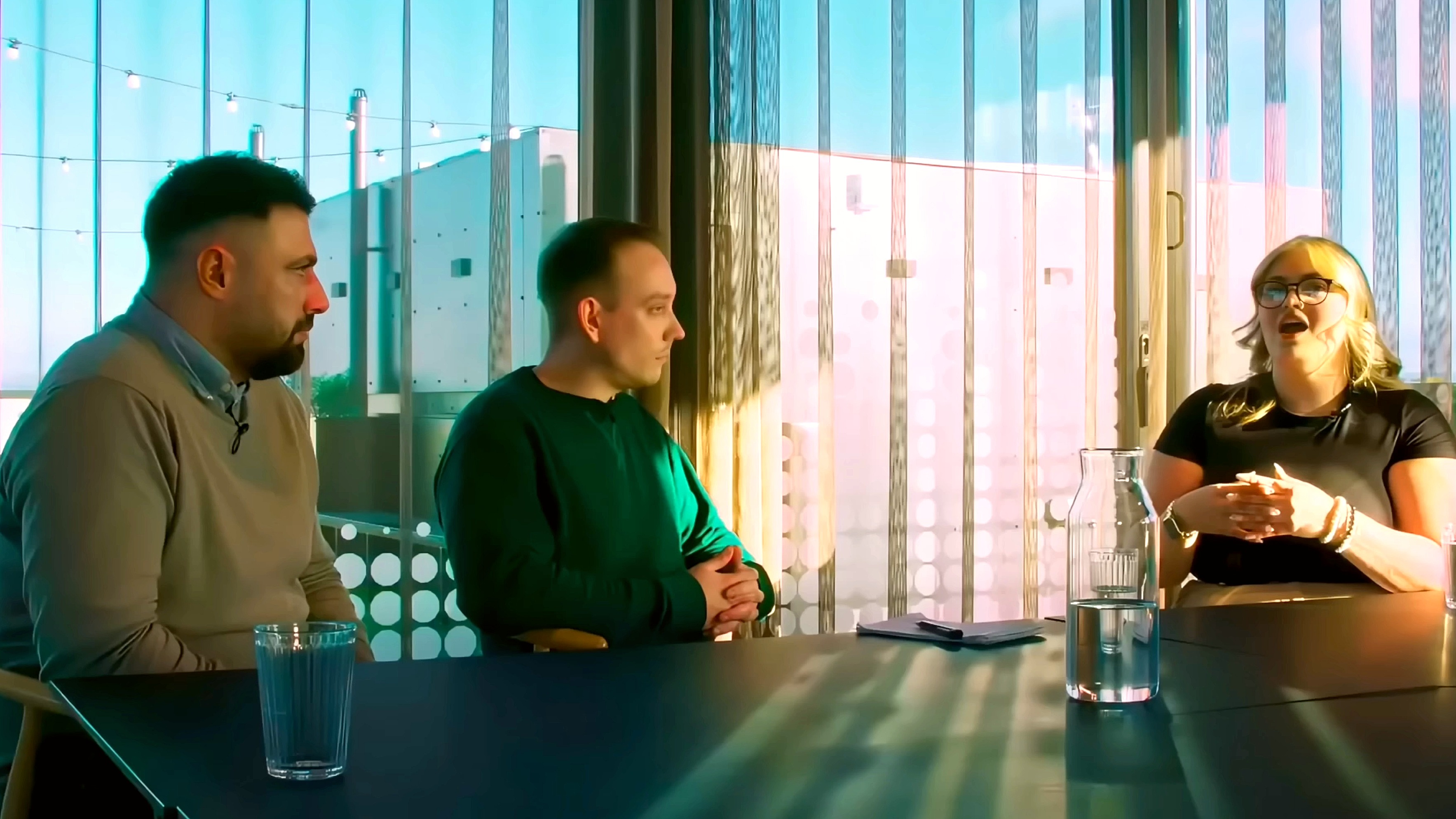
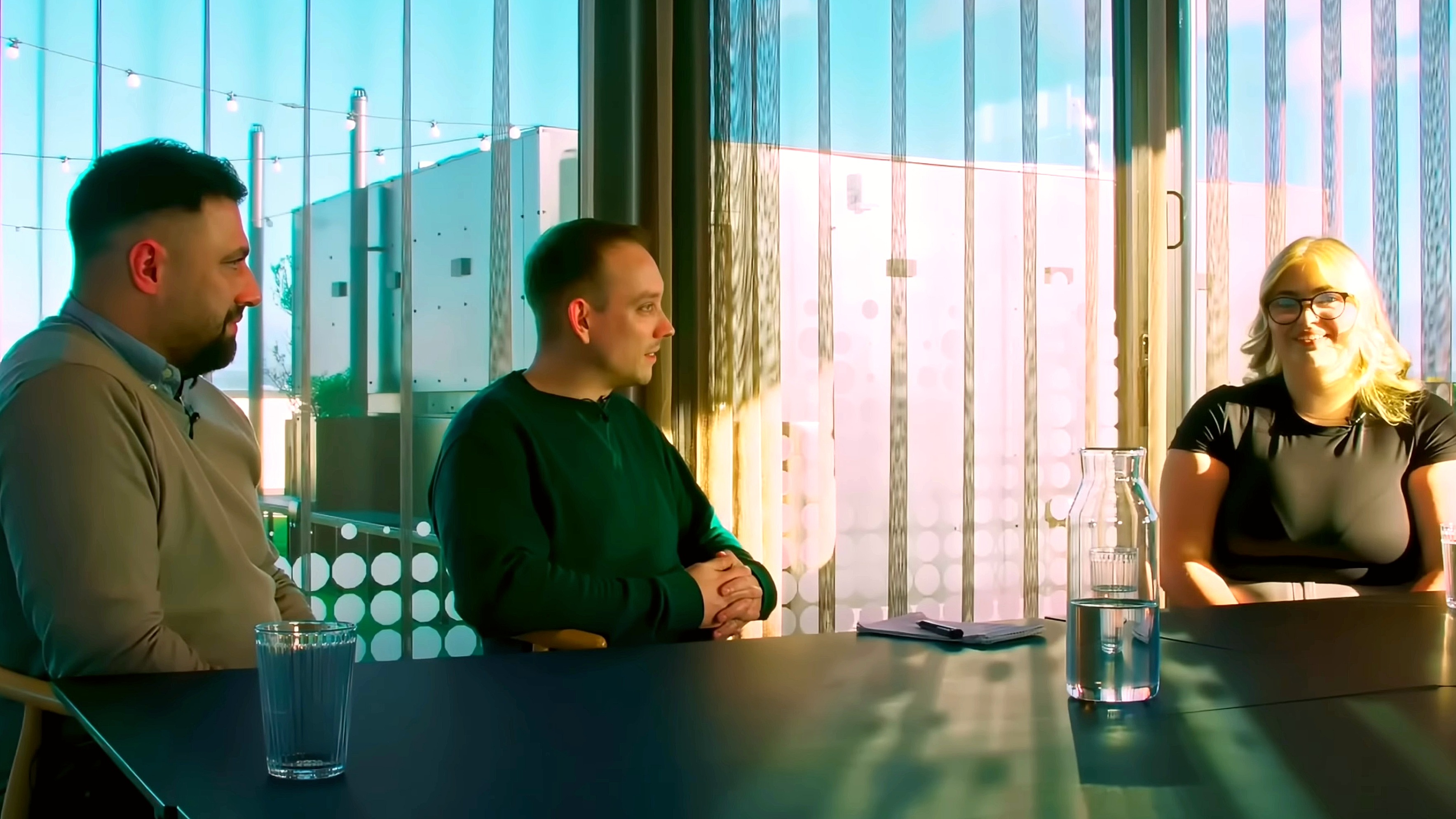
Straight after the round table in our first episode, marketing coach Lilly-Mae Roberts sat down for a one-to-one with the Legacy Bench hosts and business guest Lewis Windle to go deeper into her plan: a co-working and community space built for neurodivergent and disabled people, and for everyday business owners who are priced out of office life.
Boring, chaotic or ridiculously expensive
Lilly-Mae spent three years as a social media manager before moving into coaching, and since going fully self-employed she has worked from a busy family home. For a year she looked for co-working spaces, and everywhere she went felt "either boring, chaotic, or ridiculously expensive". Many, she said, are old office buildings "where they've just smacked some desks in the middle" and charge £500 a month.
For her, accessibility means pricing too. "I've not grew up around the big lavish business life. I've grew up with budgeting," she explained. Her vision is a place where everyone feels "seen and welcome": day passes for people who only want to come in some weeks, monthly "pods" people can make their own, an event space that does not need hundreds of pounds spent on it to look good, and local cafés and businesses involved.
It is shaped by her clients, too. One needs everything written down; another needs a two-hour call to go through things. "That's definitely what I'm going to be integrating into the space."
Evidence, structure and a business brain
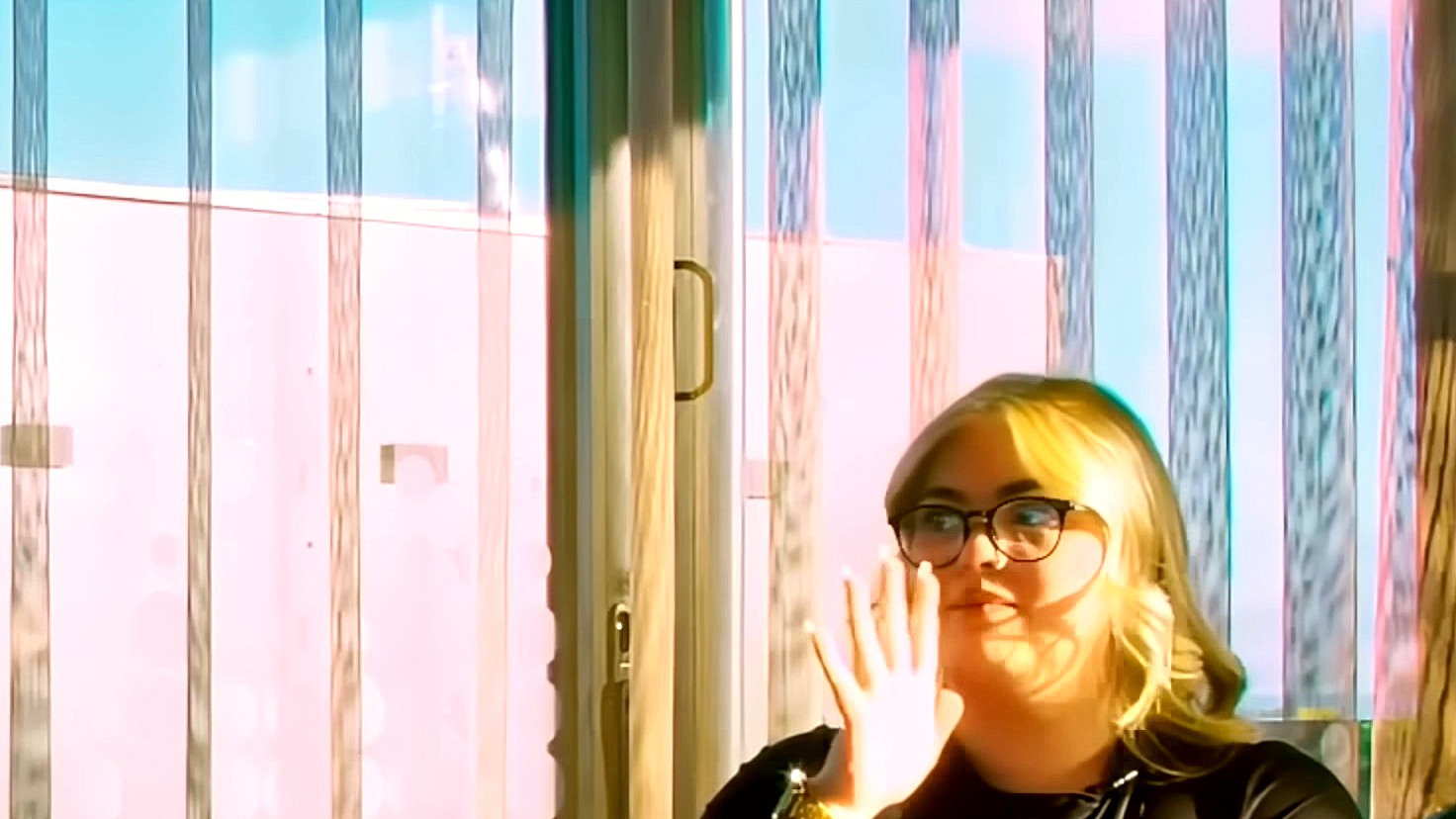
One host shared that busy co-working spaces make it hard for him to concentrate too, and said that resonance is exactly why evidence matters. When he has applied for funding or grants, focus groups and questionnaires with potential customers became supporting material for the proposal.
Lewis urged her to get every idea out of her head and on to paper, structured the same way she runs her marketing and coaching business, and to find mentorship with a commercial eye. "There's one thing having a great idea which can help everyone," he said, but it also has to be feasible to take to market. His suggested first step: partner with co-working spaces or serviced office buildings that sit largely empty, make a space her own, prove it works, then use her marketing skills to build the pitch deck.
Lilly-Mae agreed. Her business mentor had already opened her eyes to how different commercial property is, from VAT to taxes, and she has been turned away by "so many landlords". She wants an investor or partner who understands the neurodivergent and accessibility space, business, or property inside out.
The takeaway
Accessibility includes affordability.
Build evidence with surveys and focus groups before you ask for funding.
Write the plan down and get commercial mentorship.
Start small inside existing spaces and prove the concept.
As one host put it, "It affects so many people." Watch Lilly-Mae's one-to-one, and see the full round table in Episode 1 of The Legacy Bench.