
Entrepreneurship & Growth
Everyone Wants the Dream… But Can They Handle the Reality? A HelpBnk Ambassador, a Film Graduate and a Creative on What It Really Takes
26 April 2026 · 4 min read
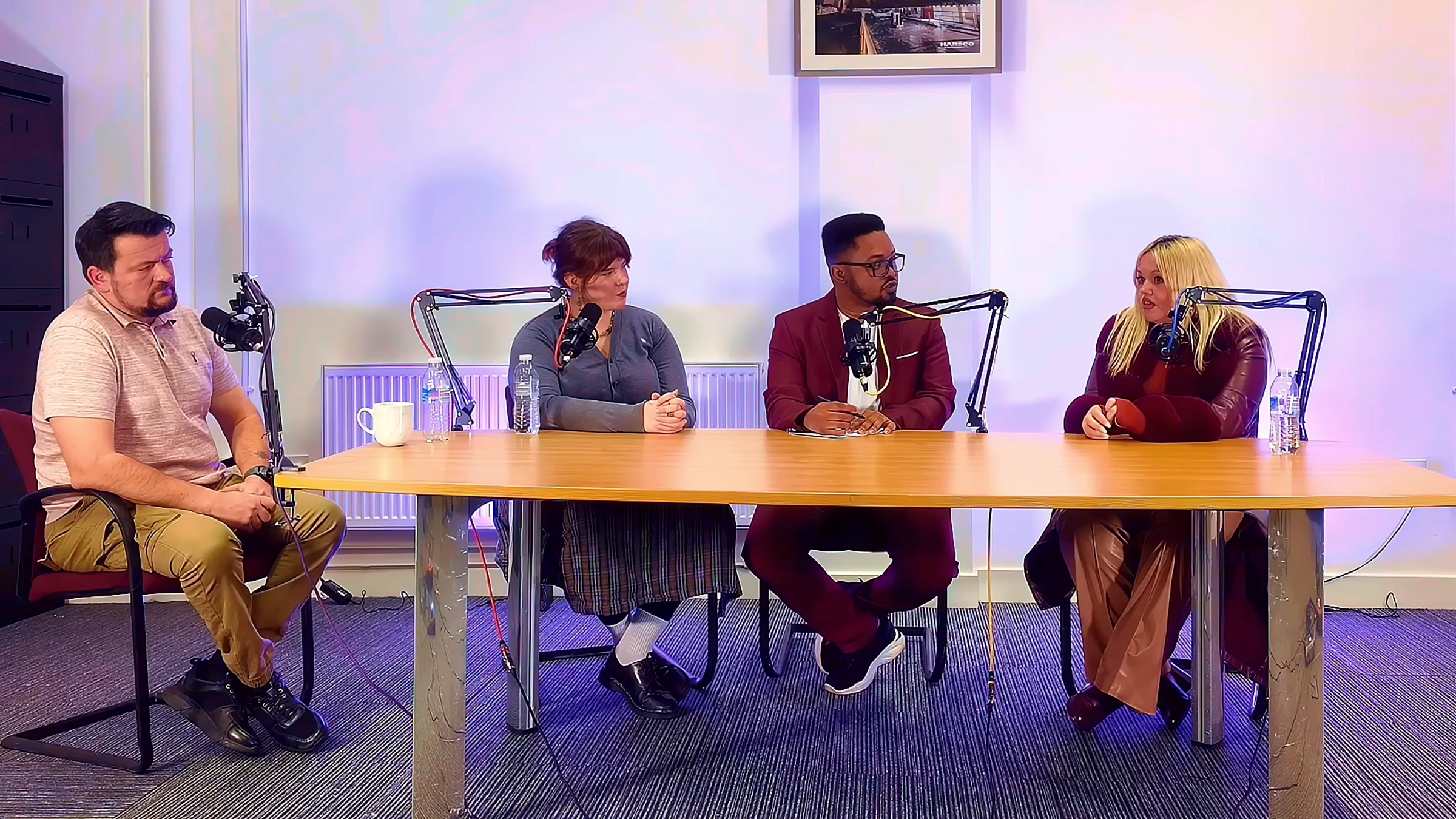
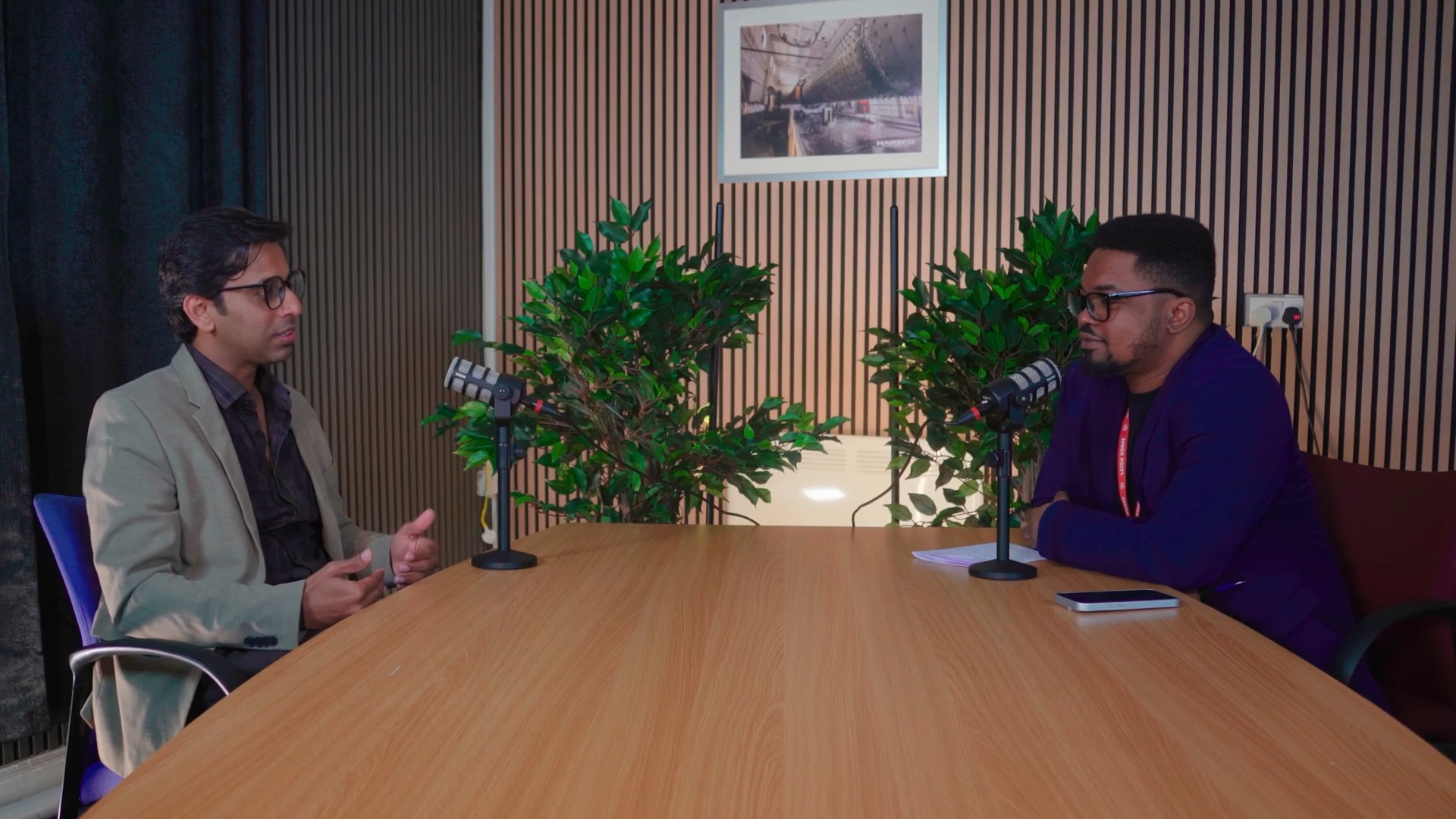
Everyone wants the dream. Fewer people talk honestly about what it costs to get there. In this episode of The Legacy Bench, host Princely sat down with three guests at very different points on the road: Johnny Hurst, a founder and ambassador for the free founder-support platform HelpBnk; Katie Brown, an award-winning film school graduate trying to break into the industry; and Jane Dillon, an actress, writer, filmmaker, model, party-business owner and soon-to-be author. Each brought a real challenge to the table, and the bench answered with advice, appreciation and some very direct truths.
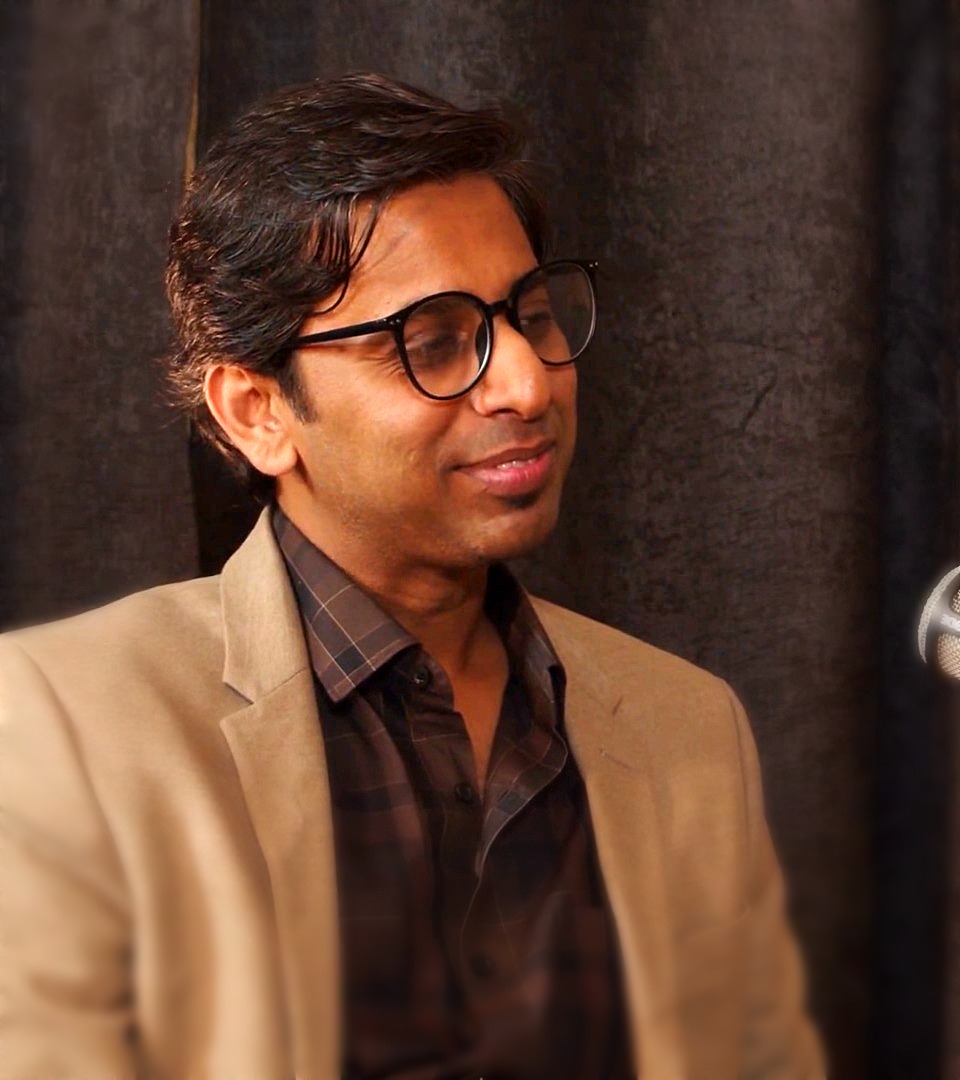
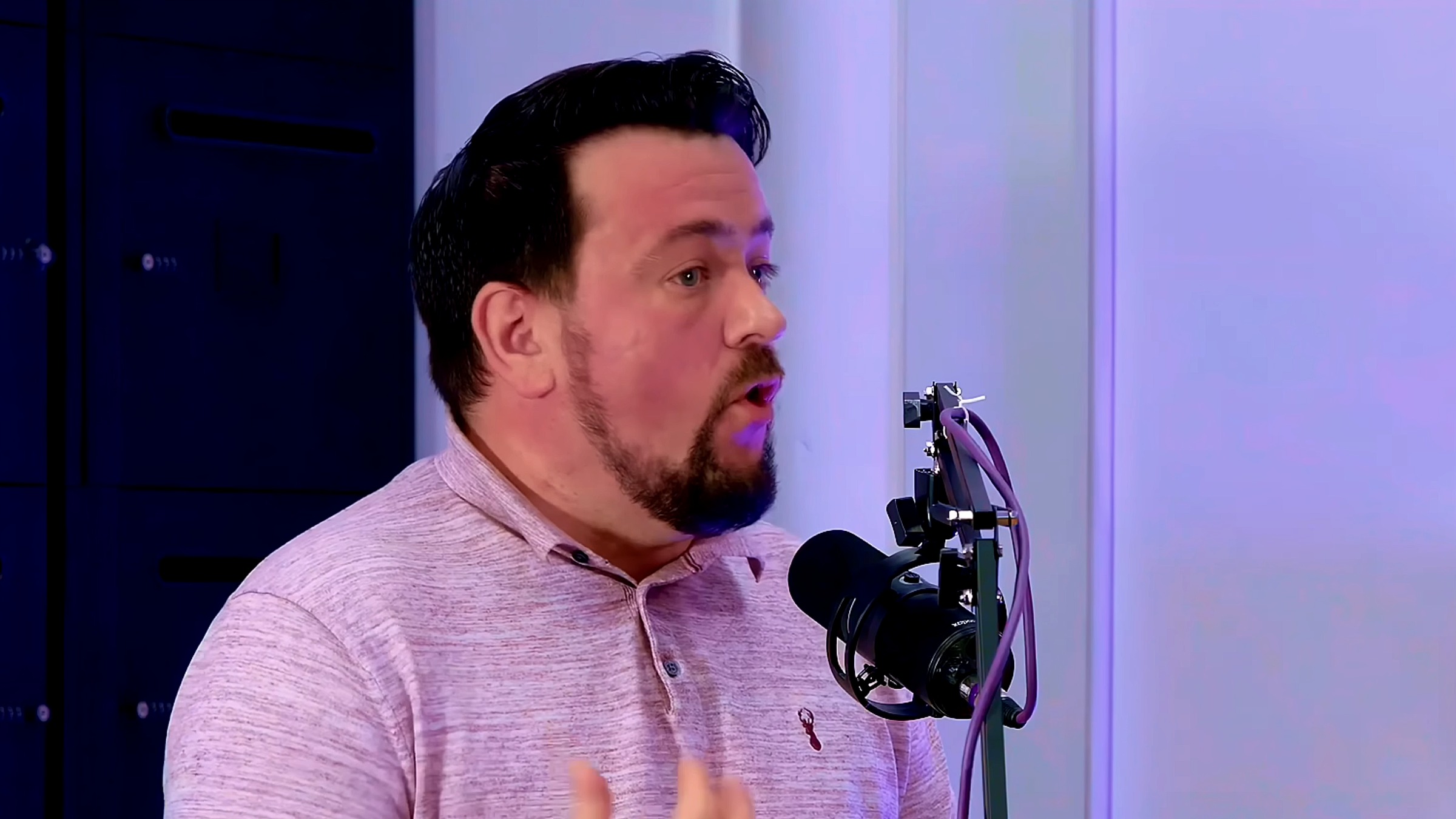
Johnny Hurst: free help exists, so ask for it
Johnny opened by explaining what HelpBnk is and why he gives his time to it. The platform, founded by Simon Squibb, offers founders free business guidance, an online community, four-week accelerator programmes and in-person pitch nights, all built around the idea of giving without expecting anything back. When Jane pressed him on how that squares with growth and a business model, Johnny was clear that it is a for-profit, for-good platform.
Katie asked whether the support is tailored to creative industries. Johnny's answer was that the fundamentals of marketing, branding and setting up a business apply whatever field you are in. His real reason for sitting on the bench was simpler: being an entrepreneur can be lonely, and he wants struggling founders to know that free help is out there and that asking for it is not a weakness.
Katie Brown: talent is not the same as access
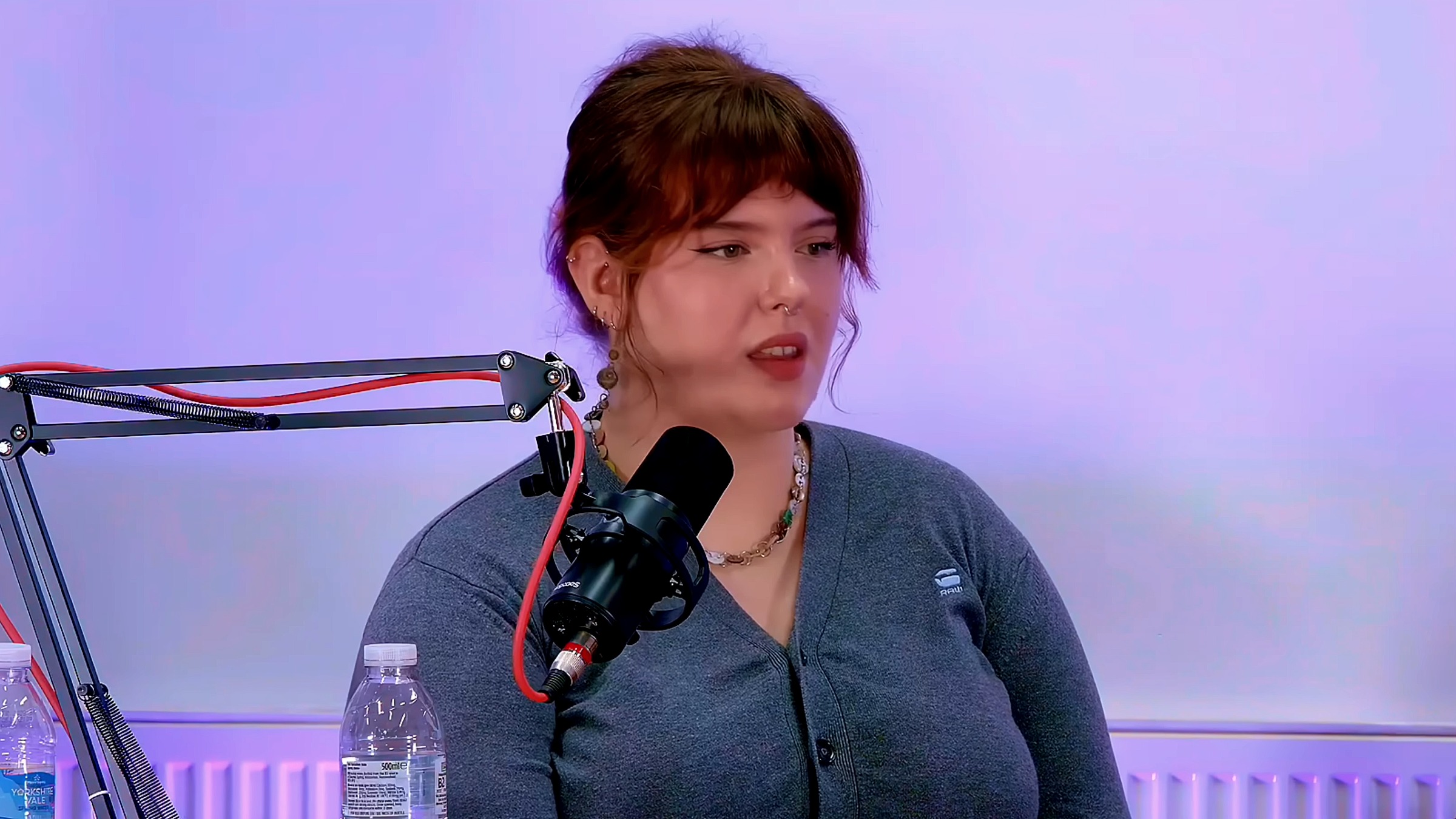
Katie is a recent film school graduate whose work has already won a Royal Television Society award and an award at the Athens International Film Festival. Yet, like many young creatives who came through the post-lockdown years, she is finding it hard to turn that recognition into steady work in an industry that often relies on unpaid entry-level roles and existing networks.
The bench did not hold back. Johnny suggested she stop relying on standard applications and showreel links and instead build a public personal brand, telling her story openly through short-form content on social media. He also offered to connect her with someone in his network who has worked in film production.
Jane gave the most passionate response of the episode. Film, she said, is a top-tier, highly competitive industry and a lifetime commitment, and the struggle at the start is part of what builds the resilience you need later to run large, high-pressure sets. She pointed to Joanna Lumley's years of persistence before her big break as an example of what staying power looks like.
Katie was clear that she is not afraid of hard work. Her question is about access: how the industry can open its doors to newcomers without connections. When Princely asked what she would change if she ran the industry, she suggested more transparent opportunity listings, structured entry-level training and genuinely open routes in. Jane highlighted inclusive funding schemes such as the BFI's short film funds, and both Jane and Johnny suggested a commercial side business, making videos for companies, as a way to fund passion projects and prove what she can deliver.
Jane Dillon: the business side of a creative career
Jane's challenge was her first book. Rather than self-publishing, she is preparing a taster pack, a synopsis and four sample chapters, to pitch directly to traditional publishers in the hope of securing distribution and an advance. When Princely asked what was driving her, her answer drew laughs around the table: "Money!"
Behind the humour was a serious point that ran through her whole contribution. Jane separates the raw passion of creative work from the business of selling it, and plans to start marketing the book publicly only once a publishing deal and a place to buy it are in place. Johnny offered to introduce her to an author and TV presenter in his network who runs masterclasses for writers, and shared how pre-selling has worked for other creators building an audience before launch.

The painful truths
In a quick-fire round, each guest shared a hard truth about their world. Johnny said business networking is too often transactional, and that real community means giving without immediate expectation. Katie observed that networking events often put beginners in a room with other beginners, which can become an echo chamber rather than a route to real mentorship. Jane said a sustainable creative career can take ten to fifteen years of unglamorous work, while social media sells the myth of overnight success. Johnny added a candid reflection of his own about how different life behind the scenes can be from how things look online.
Working for free, and the AI question
Asked whether they would work for free, Johnny said yes, because helping others builds long-term goodwill. Katie said yes, within reason, to grow a portfolio. Jane said yes for building her creative career, but absolutely not for her commercial business.
The episode closed on AI. Johnny argued it can take on back-end tasks and basic designs but cannot replace human connection or bespoke craft. Princely raised the risk of automated tools displacing junior designers and video editors, and Katie shared her concerns about AI encroaching on art department roles.
Key takeaways
Free support for founders exists. Asking for help is a strength, not a weakness.
Tell your story in public. A personal brand can open doors that applications alone do not.
Creative careers are long games. Plan for years, not months, and be wary of overnight-success stories online.
Treat creativity as a business too: a commercial side line can fund the work you love.
Use AI for the back end, but protect the human craft and connection that make your work yours.
Read more about the guests: Meet Johnny Hurst, Meet Katie Brown and Meet Jane Dillon.