
Entrepreneurship & Growth
Episode 1: Four UK Founders Pitch Their Ideas, and the Bench Gives Them Real Feedback
4 February 2026 · 4 min read
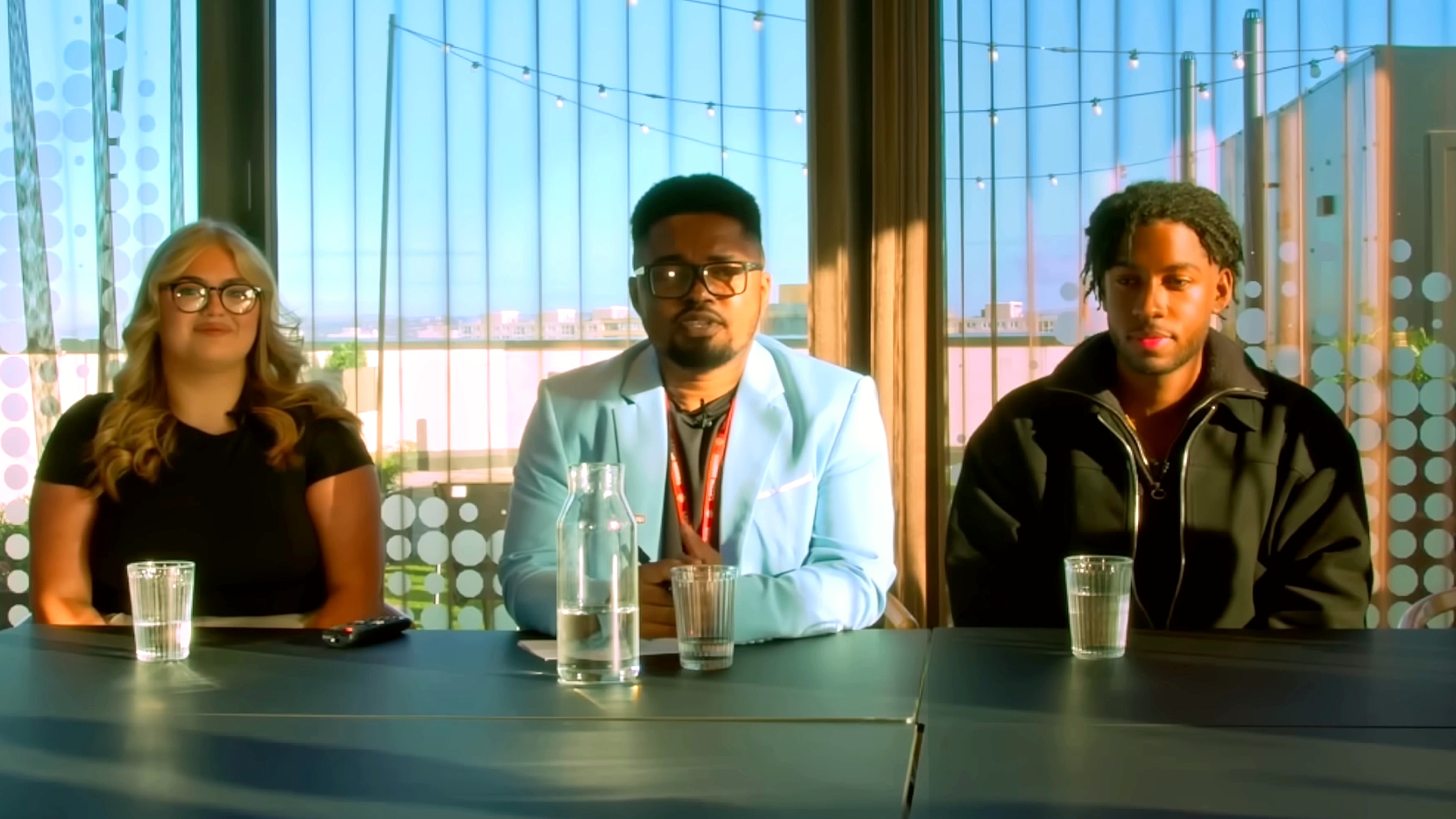
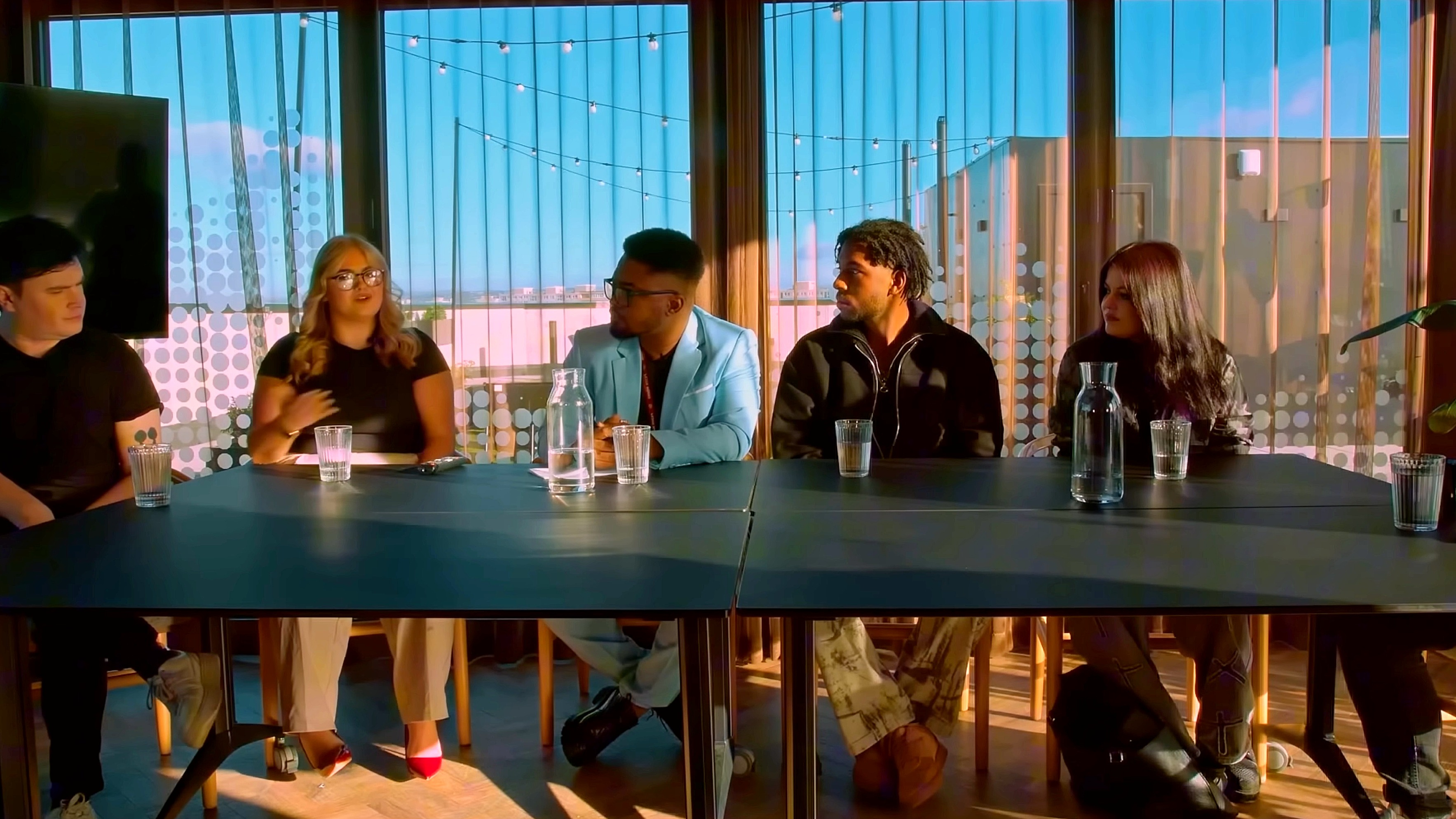
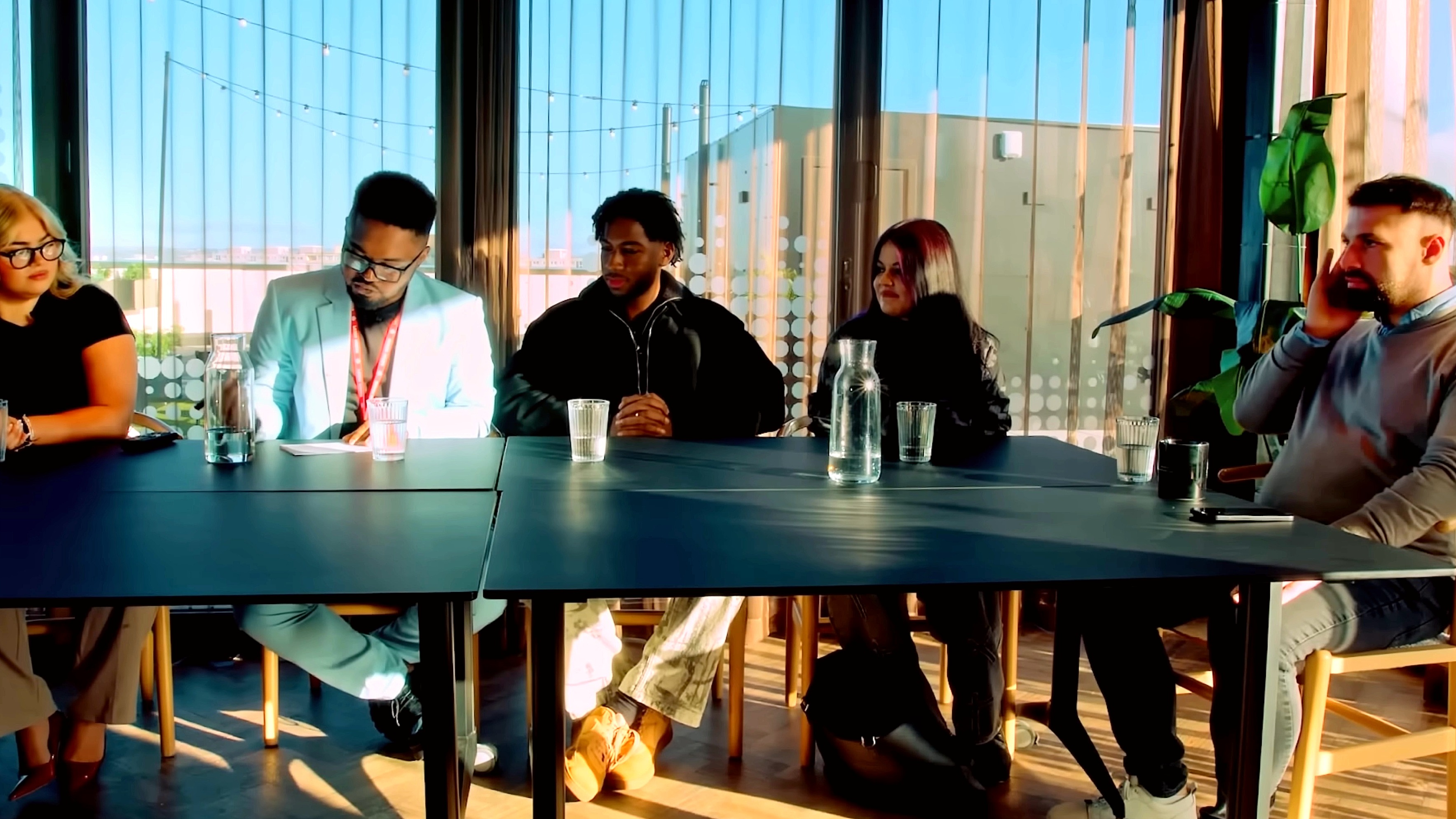
This is where The Legacy Bench began. In our very first episode, four guests sat down on a rooftop in Manchester with our host Princely and business guest Lewis Windle, and each brought something they were building. The format was simple: share where you are and what is holding you back, then let everyone else on the bench chip in, with the business guest going last.
What made the session special was how quickly it turned into people helping each other. As Princely said part-way through, "everyone is just giving back."
Jordan Gaffney: turning a radio show into a full-time business
Jordan presents The Indie Rock Show on Salford City Radio. It started around 2020 as an hour-long radio show and has grown into online and on-air coverage of festivals and live music across the UK. His challenge was capacity. "Last year was our busiest one yet and we couldn't keep up," he said. "We were turning down some big festivals just because we can't physically do it and work a full-time job."
The bench came back with practical ideas. Lilly-Mae told him people want personality rather than polish: "They don't care about designs... they want to see who you are." Waswa suggested outsourcing anything outside his skill set, and Alanah pointed out that even a rock and indie fan like her had never heard of the show, so building a Manchester following first, through club nights and local venues, could be the next step.
Lewis's advice was to treat it like a business. Work out the exact figure needed to go full-time, write a simple business plan, outsource small jobs through sites like Upwork and Fiverr, and keep daily priorities on a tool such as Trello. Jordan also shared something that sits at the heart of the show: having played the empty bars himself, he wants to give up-and-coming bands a platform.
Lilly-Mae Roberts: a co-working space for neurodivergent and disabled people
Lilly-Mae is a full-time marketing coach. Her next goal is a co-working and content space built for neurodivergent and disabled people. She is dyslexic, her younger brother has ADHD, and her mum uses a wheelchair, and she noticed that most co-working spaces "all look like offices" and lack accessibility. Around 70% of her coaching clients are now neurodivergent, which taught her that support has to be adjusted for each person.
The bench pushed her on the details. Jordan suggested partnering with charities; Waswa, who has an educational background in ADHD, urged her to make the support research-informed; and Alanah asked the key question: where? Lilly-Mae is looking at cities with big universities and business areas, including Manchester, Nottingham and Bristol, and is already thinking about franchising.
Lewis's message was proof of concept. Start small, perhaps in a quieter serviced office building, show it working, and put that evidence into a pitch deck. He also pointed her towards council business hubs and the Growth Hub in Manchester, and recommended keeping every contact in a simple CRM.
Waswa Kempadoo-Millar: one path or two?
Waswa is a sports scientist and educator with almost eight years in teaching, a PGCE, and experience in Japan and Portugal. He is also a former national martial arts champion who has moved into dance. He came to the bench torn between building an international tuition business, teaching English to Japanese and Korean speakers, and pursuing dance professionally.
Princely challenged him to ask where he could compete with the best in the world. The rest of the bench suggested he might not have to choose. Jordan pointed to freelance and touring work in dance, and Lilly-Mae noted that "the best entrepreneurs have so many different revenues", suggesting he could combine teaching, languages and dance. Waswa said the idea came to him "literally whilst you were talking."
Lewis encouraged him to be more confident in what he has already achieved, to write his goals down, and to design the life that gives him the most satisfaction, then work backwards from it.
Alanah Mills: an accessible studio for disabled creatives
Alanah's story moved the whole bench. She has lived with many health conditions since birth, had polio at three, and was diagnosed with ADHD last year. "My whole life I was told, 'You can't do,'" she said. When her granddad bought her a proper camera, photography became her happy place, and she is now a full-time freelance fashion photographer.
She owns a studio, but it is not accessible, and that is what she wants to change: an affordable, ground-floor studio where disabled creatives and models can work, learn and build portfolios. Jordan offered to work with her on live music photography, Lilly-Mae suggested the two of them team up, and Waswa told her that her independence and drive would carry her.
Lewis suggested building a community and agency that finds paid work for disabled creatives, targeting companies with strong diversity and inclusion policies. Alanah admitted she was once scared to tell people she was a disabled photographer, but sharing her story brought her more support and clients.
What we took from the first bench
Personality sells: show the people behind the brand.
Know your numbers and write the plan down before asking for money.
Prove the concept small before you scale.
Your story is part of your business, so tell it.
Watch the full episode to see where it all started, and tell us which pitch stayed with you.