Entrepreneurship & Growth
Builders vs AI: A Creator Network, an Artist and an AI Quoting Tool on the Future of Work
10 March 2026 · 4 min read
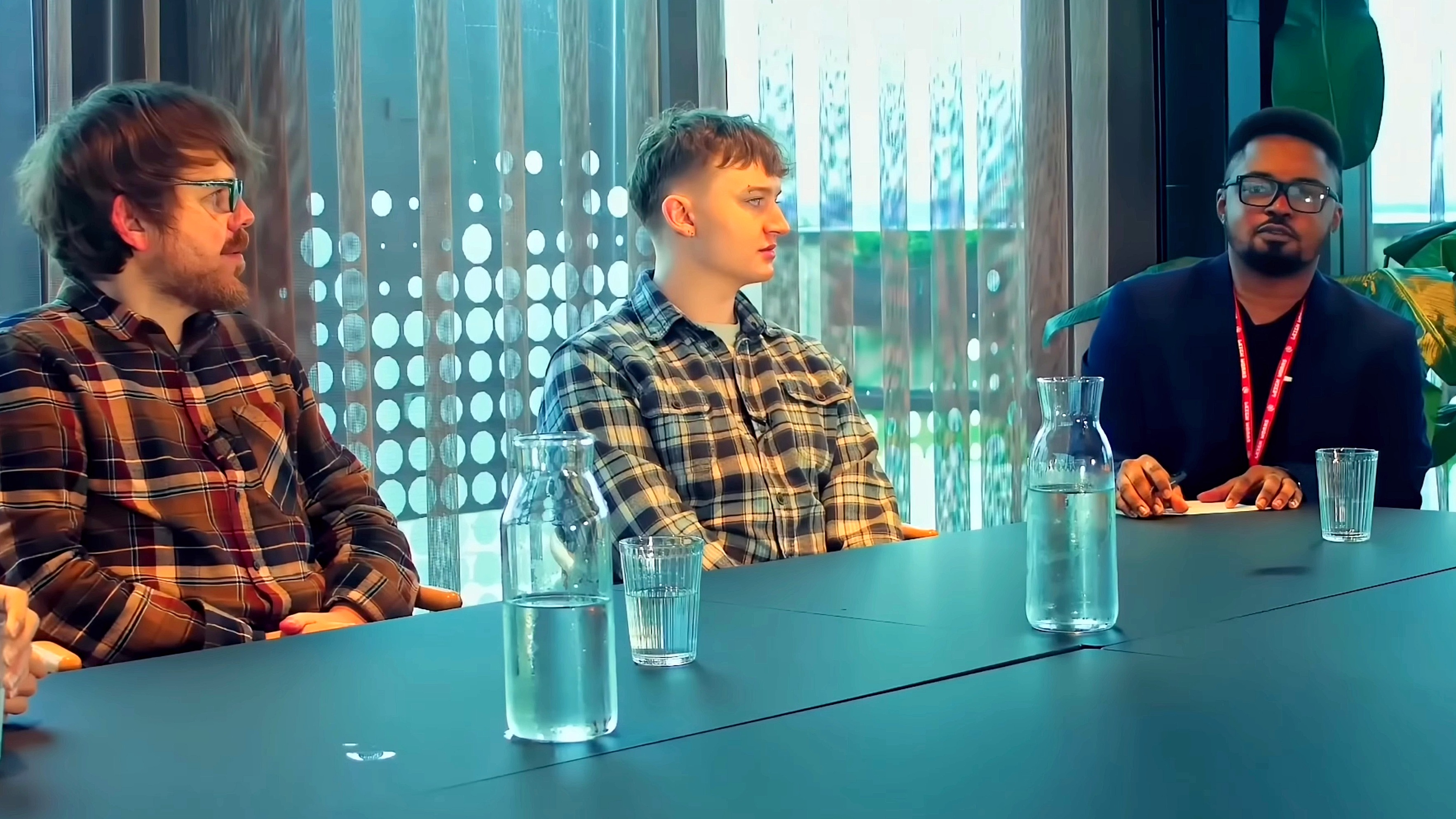
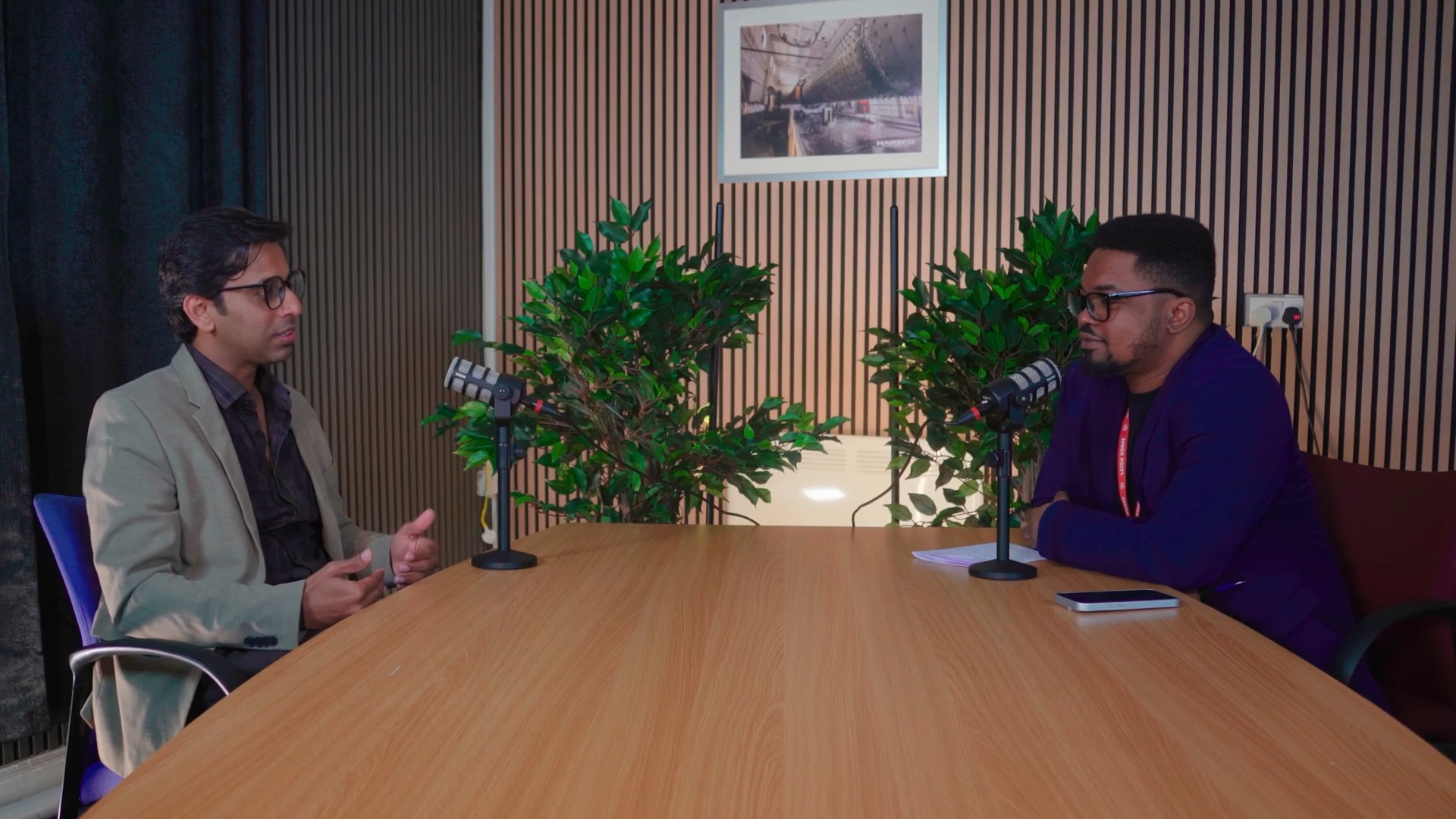
In episode 2 of The Legacy Bench, our host Princely was joined by three guests building very different things: Carl Zhang, who wants to bring Chinese creators to UK audiences; Ross Minton, an artist and designer known online as the Wonky Doodler; and Harry Greener, who is developing an AI quoting tool for tradespeople. Their ideas led the bench into one of its most heated conversations yet: is AI coming for creative jobs, and should it be regulated?
Carl Zhang: taking Chinese creators global
Carl's business plan is to set up an MCN, a multi-channel network that helps creators build their social media accounts, in the UK. Such companies are common in China, he explained, but Chinese users cannot officially use TikTok or Instagram, only domestic apps like Douyin. His idea is to help Chinese creators adapt the content they already make for platforms such as TikTok and Instagram, and share the income from advertising and product sales.
He has seen the gap first-hand. "Everything we saw on TikTok is already showed in China like 5 years ago," he said, pointing to viral trends that had already played out there. He has even found Chinese creators whose videos were re-uploaded abroad by others and gained millions of likes. "They don't even know they're famous out of China."
The bench liked the market but pressed him on the details. If he is sharing revenue with creators, Princely pointed out, he is effectively licensing their content, so there needs to be a proper agreement. Another guest noted a real advantage: he can pick content that has already proved itself before taking it to a new market.
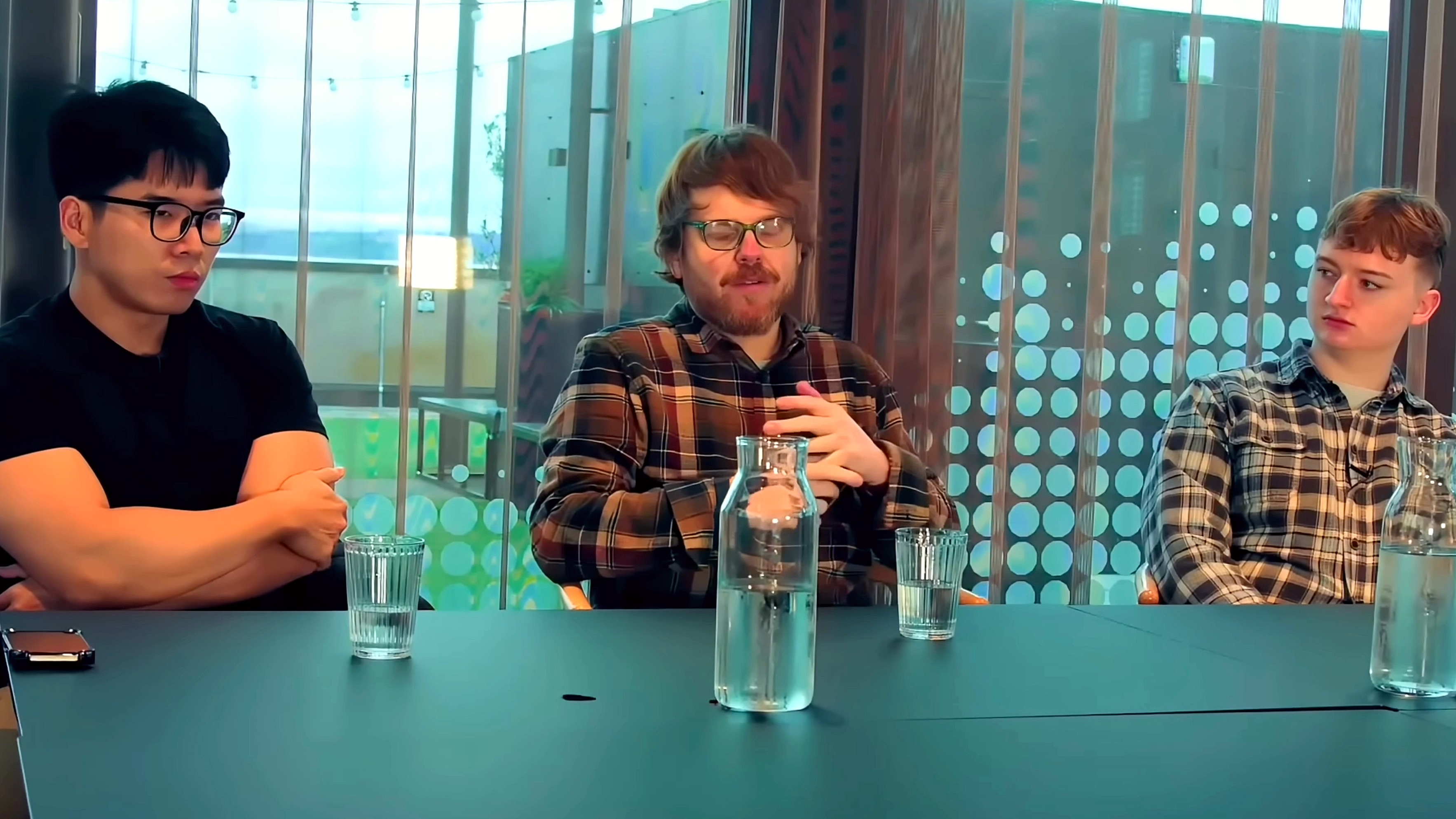
Ross Minton: fighting the algorithm with art
Ross was born with a rare form of arthrogryposis, a muscle condition that, as he put it, makes him "like one in a billion". After a degree and a master's he worked across advertising, graphic design, packaging, illustration and photography, until he was made redundant around 13 or 14 years ago, which left him depressed for a time. He started his YouTube vlog, Grow Your Own Life, about sustainability, gardening, allotments and history, and shares his art on Instagram as the Wonky Doodler.
Now he wants to slow down, live more analogue and reflect that in his art, with the goal of an exhibition in a big city and a cartoon in Private Eye. "I'm coming to the algorithm to ask how I fight the algorithm," he joked. He was clear about one thing: "I don't want to be known as a disabled artist. I want to be known as an artist."
With around 7,000 YouTube subscribers and 1,500 Instagram followers, the bench saw a foundation to build on. A fellow guest who has worked as a social media manager encouraged him to share more behind-the-scenes process videos and short-form content, which the algorithms push hard. Ross admitted that, like many designers, he is great at promoting others and less so himself, and that avoiding TikTok is "the last bastion of my sanity".
Harry Greener: Quotable, an AI quoting tool for trades
Harry is developing Quotable, an AI quoting tool for tradespeople. He told the bench the average UK tradesperson spends around ten hours a week on quoting and invoicing, often unpaid and at the expense of family time. Quotable generates itemised quotes covering materials, labour and overheads, exports branded PDFs, schedules jobs, tracks which quotes are accepted, and turns them into invoices in one click. His next step is investment and working with suppliers so live pricing can feed straight in.
His focus is simplicity. Many bookkeeping tools, he said, feel like "you need a 3-year degree to do anything on them". Princely suggested a photo feature, so a tradesperson could snap a broken door or a room and get a quote. Harry has considered it, but stressed that accuracy comes first.
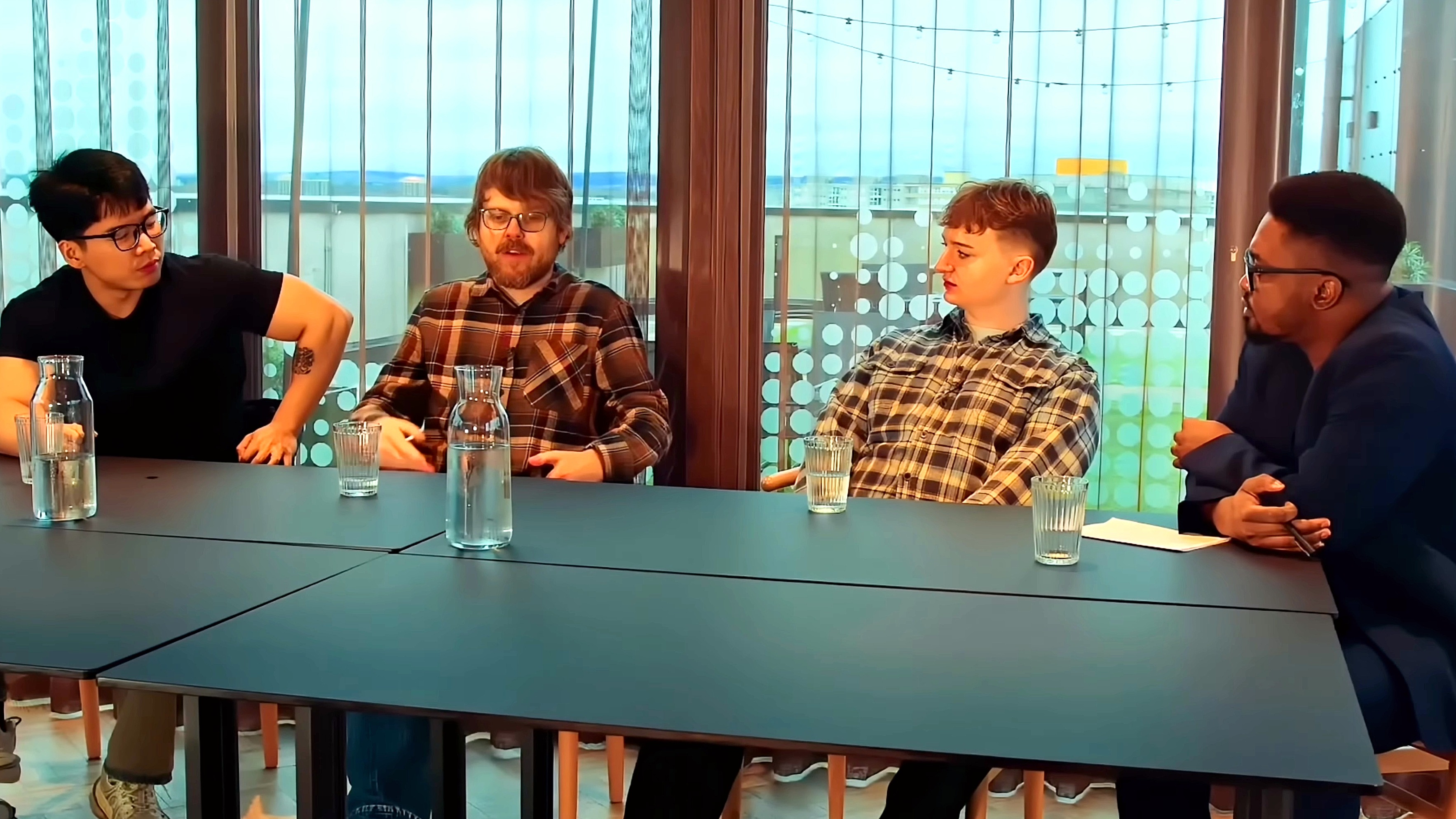
Is AI coming for creative jobs?
Princely then put the big question to the bench. Ross believes the everyday work that once sustained a "journeyman creative", like a menu for a takeaway or a logo for a local plumber, has largely gone in the last year. He shared being asked whether he could just redraw something a friend had generated with AI. Carl had a similar experience with a restaurant client.
Harry took a more optimistic view. He taught himself HTML and CSS using AI, and believes creatives now need to be "almost symbiotic with it" or risk sinking. But everyone agreed on regulation. Ross argued that realistic AI video and images should be licensed "almost like firearms", and that accountability should sit with platform owners. Princely called for clear watermarks on AI-generated content so people, especially older viewers, know what is real. Carl reflected that the one thing human art carries is emotion, though AI is learning to imitate even that.
The takeaway
Spotting a gap between markets can be a business, but get the agreements right.
Your process is content: show the work behind the work.
Build tools around real pain points, and keep them simple.
AI is powerful, but transparency and accountability matter.
Watch the full episode and tell us where you stand: should AI be regulated?