Entrepreneurship & Growth
Alanah Mills: Building an Accessible Studio for Disabled Creatives
15 February 2026 · 2 min read
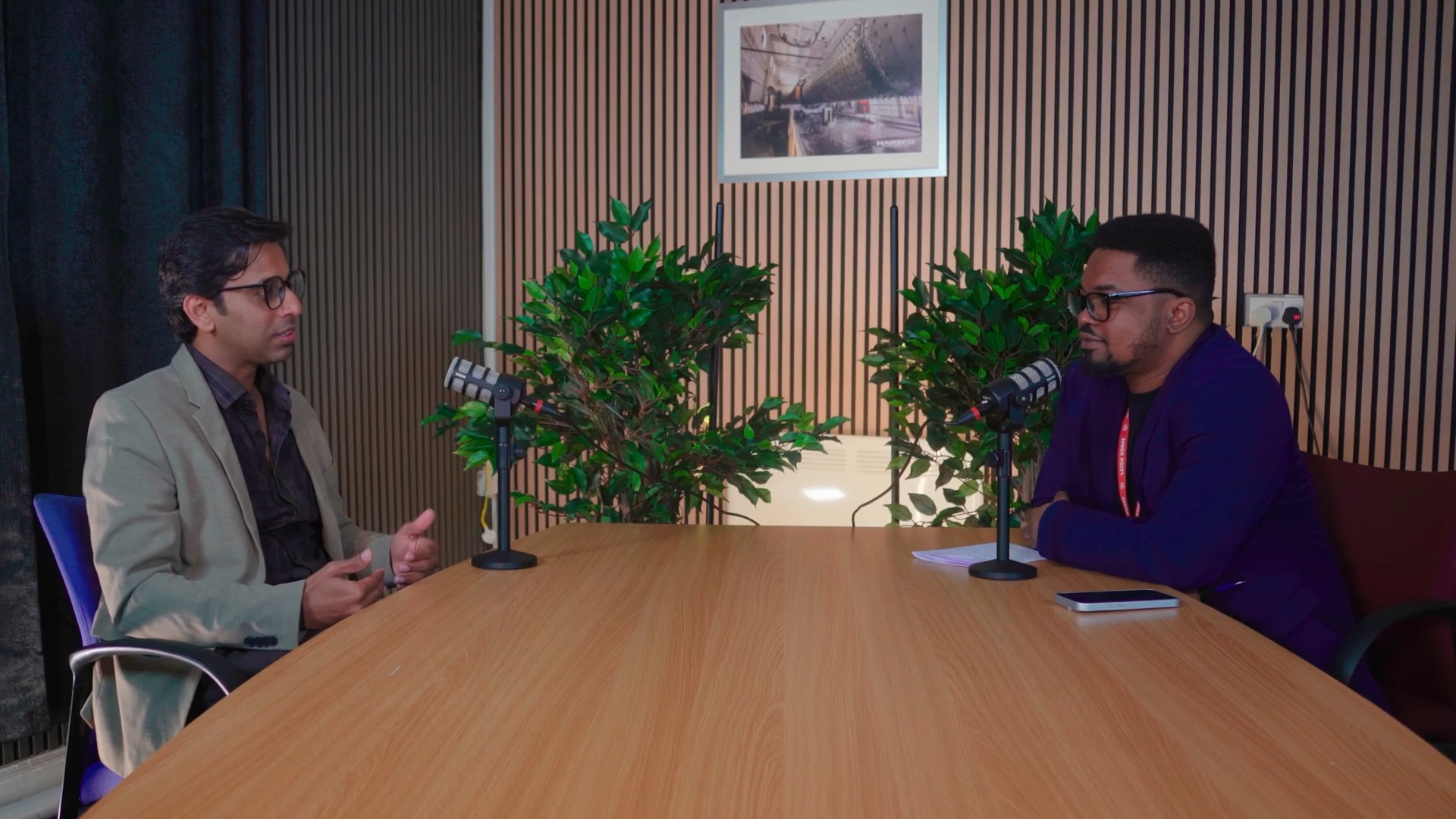
Alanah Mills's story was one of the moments that stayed with everyone in our first episode. In this one-to-one with our host and business guest Lewis Windle, the freelance fashion photographer explained why she wants to build an accessible studio, and how she could help other disabled creatives find work.
Working harder than a nine-to-five
Alanah has grown up with a range of medical, physical and mental health conditions, and spent a lot of time "being told I couldn't do stuff". Because of her medical appointments she cannot commit to a nine-to-five, Monday to Friday. But as a freelancer, she said, "I work probably harder than someone would in a 9 to 5", working evenings, going to meetings and doing shoots.
She is now a full-time fashion photographer and studio owner, and she has seen the gaps first-hand. Many photography studios are in old mills, including hers. When she joined, the lift worked; now it does not. She works with many disabled clients, and often with the agency Zebedee, and believes there should be more accessible, lower-cost studios where people can learn, hold events and build their craft, especially those who cannot go to university or hold down a full-time job.
Networking is another barrier. "I've been to a lot of networking events where I walk in and people are basically holding hands cuz they all know each other and I'm the odd one out," she said. "Things need to be better for people with disabilities or additional needs."
A route into work for disabled creatives
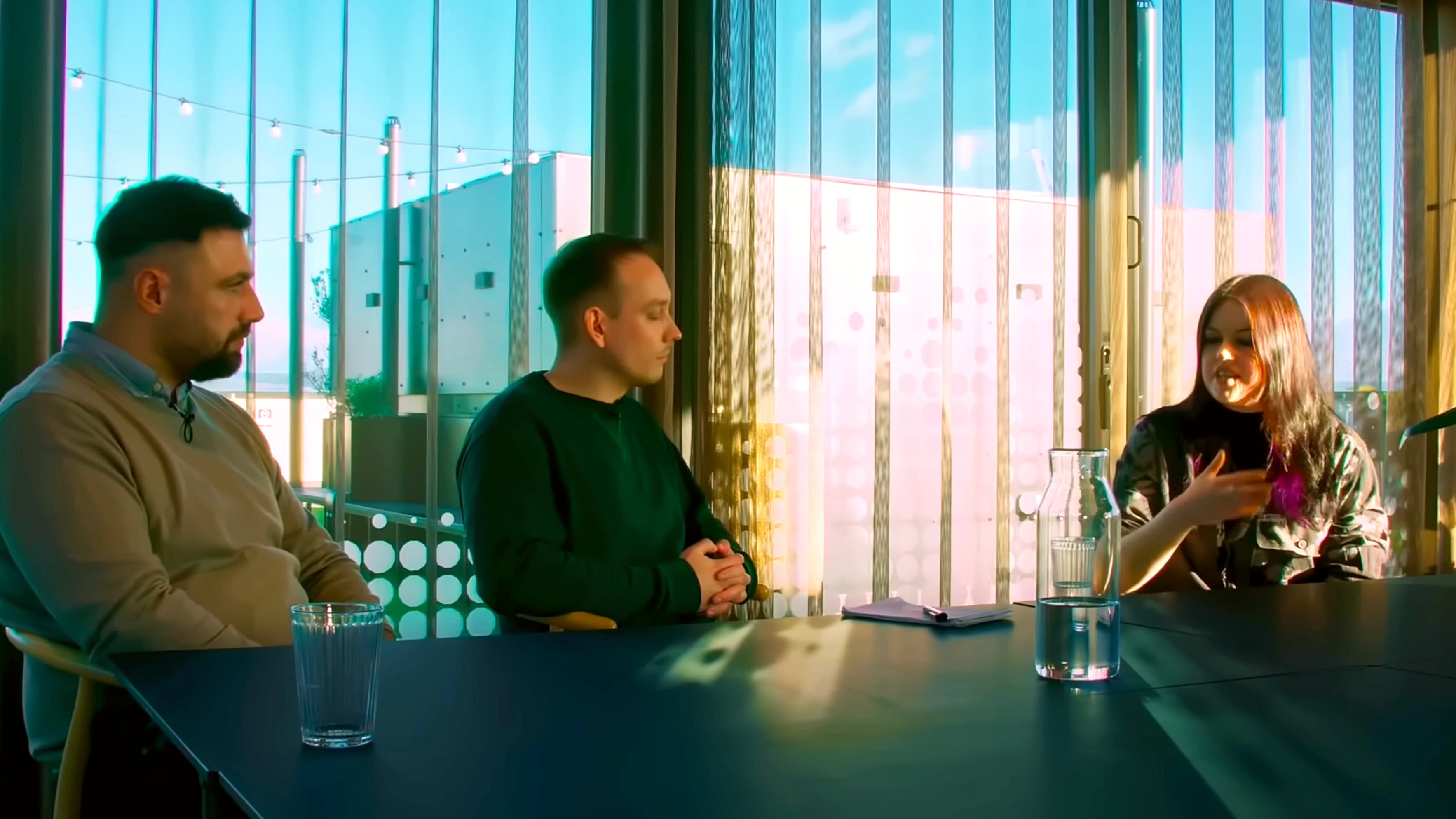
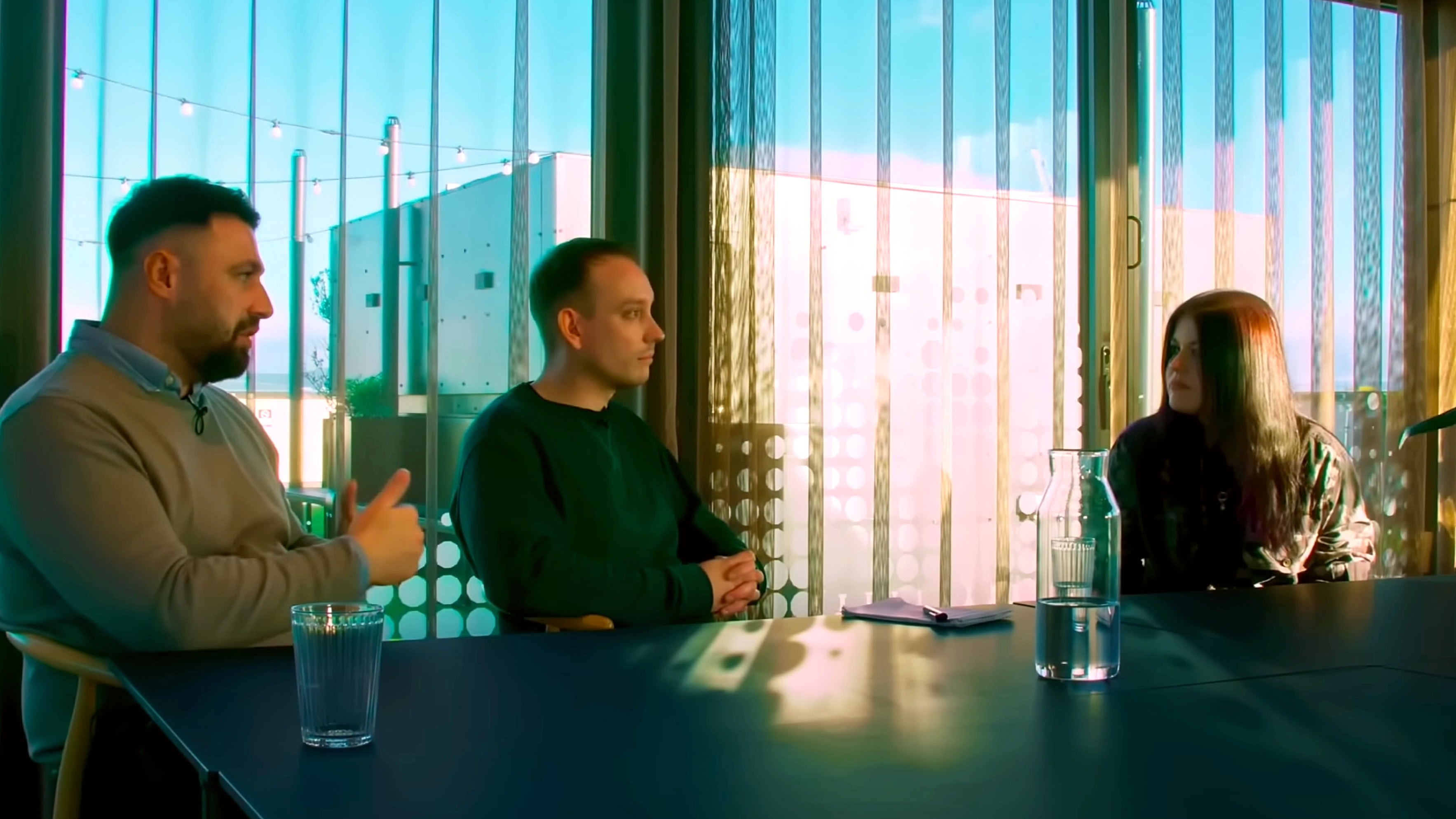
Our host said there were two routes: helping people go freelance, as Alanah has, or helping them into any job that suits them. From his years in recruitment, he pointed to employers that are accredited as Disability Confident, which commit to reasonable adjustments and accessibility, and suggested they could be her first client base because "they want to promote it".
Lewis built on the idea of an agency. Rather than permanent placements, he suggested contract work: approaching big businesses in Manchester and London that need photographers for events, telling her story, and building a contract book of hourly work. "Look, I'm getting you £40 an hour here. I've got you four hours of work next Friday," he said, describing how she could organise work for creatives who are less comfortable with the business side, take a small cut, and help her community at the same time. He also offered to suggest firms with strong diversity and inclusion policies.
The takeaway
Accessibility is about spaces, prices and networks, not just lifts.
Disability Confident employers are a natural first market.
Contract and event work can turn a mission into a business.
Your story is your strongest pitch, so put it out there properly.
Watch Alanah's one-to-one, and see the full round table in Episode 1 of The Legacy Bench.